


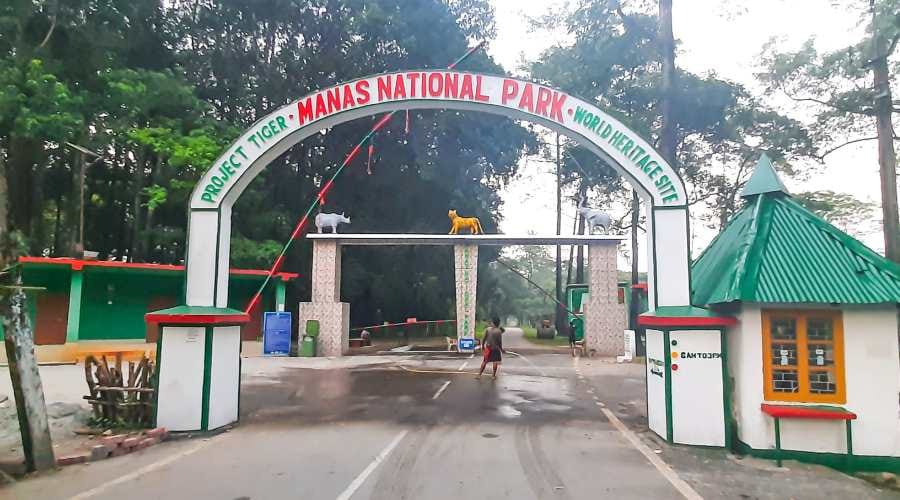
Manas National Park, a UNESCO World Heritage Site, is a jewel of Assam, straddling the districts of Chirang, Darrang, Kokrajhar, Udalguri, and Baska. Located at the foothills of the Himalayas, the park is renowned for its exceptional biodiversity and stunning landscapes. It is one of India’s oldest tiger reserves and biosphere reserves, offering visitors a chance to witness the magnificent Asiatic elephant, Indian one-horned rhinoceros, barking deer, Hoolock gibbon, and an array of birds and butterflies. This guide provides an in-depth look at the safari zones within Manas National Park to help you plan your visit.
Safari Zones in Manas National Park
Manas National Park is divided into three main ranges:
- Bansbari Range (Central Zone)
- Panbari Range (Western Zone)
- Bhuyanpara Range (Eastern Zone)
Each zone offers unique experiences, landscapes, and wildlife sightings. However, tourists are primarily allowed entry through the Bansbari Range, making it the most frequently visited.
Bhuyanpara Range: The Eastern Zone
Key Highlights:
- Known for its vibrant wildlife and dense vegetation, the Bhuyanpara Range is a paradise for nature lovers.
- This zone offers a colorful backdrop of flora and fauna, making it ideal for photography enthusiasts.
- It is an excellent choice for both day safaris and overnight stays, thanks to its tranquil environment and abundant wildlife.
Wildlife in Bhuyanpara:
The Bhuyanpara Zone is home to numerous species, including:
- Tigers
- Asiatic elephants
- Golden langurs
- Hoolock gibbons
- Various deer species
Safari Experience:
- The serene ambiance of this zone allows for a peaceful exploration of the jungle.
- Safari vehicles often traverse open grasslands and dense forests, providing varied terrains for wildlife spotting.
Recommendations:
- Opt for a morning safari to increase your chances of spotting elusive animals like tigers and golden langurs.
- Night stays in eco-lodges near this zone can add to the immersive experience.
Panbari Range: The Western Zone
Key Highlights:
- The Panbari Range is famous for its high number of wildlife sightings, making it a hotspot for avid wildlife enthusiasts.
- The zone’s diverse habitats—ranging from grasslands to forests—offer unique opportunities to spot a variety of species.
Wildlife in Panbari:
Species frequently sighted here include:
- Leopards
- Wild buffaloes
- Indian one-horned rhinoceroses
- Pygmy hogs
- Numerous bird species
Safari Experience:
- This zone is perfect for birdwatchers, as it is teeming with both resident and migratory birds.
- The terrain is dotted with water bodies, making it a prime spot for photographing wildlife near watering holes.
Recommendations:
- Bring binoculars and a good camera to capture rare bird species.
- Consider visiting this zone during early morning or late afternoon for optimal sightings.
Bansbari Range: The Central Zone
Key Highlights:
- The most accessible and popular zone in the park, Bansbari serves as the primary entry point for tourists.
- It is known for its expansive grasslands, picturesque landscapes, and frequent wildlife sightings.
Wildlife in Bansbari:
The Bansbari Range is home to:
- Tigers
- Indian bison
- Elephants
- Barasingha (swamp deer)
- Numerous reptiles and amphibians
Safari Experience:
- The safaris in this zone are structured and guided by experienced naturalists.
- Visitors are likely to spot large mammals in their natural habitat.
Recommendations:
- Visit this zone during the dry season (November to April) for the best chances of wildlife encounters.
- Don’t miss the scenic beauty of the grasslands, which provide excellent opportunities for landscape photography.
Planning Your Safari Experience
Best Time to Visit:
- The park is open from November to April, with peak visitation during winter months due to pleasant weather.
- Avoid the monsoon season (June to September), as heavy rains often lead to park closures.
Safari Timings:
- Morning Safari: 7:00 AM to 10:00 AM
- Afternoon Safari: 2:00 PM to 5:00 PM
Safari Options:
- Jeep Safaris: Ideal for covering larger areas and spotting wildlife from a safe distance.
- Elephant Safaris: These are unique to certain zones and allow for an immersive jungle experience.
- Walking Trails: Some areas of the park permit guided nature walks for a closer look at the flora and smaller fauna.
Nearby Attractions
While visiting Manas National Park, consider exploring these nearby attractions:
- Royal Manas National Park (Bhutan): Located across the border, it is part of the same biosphere and offers a chance to extend your wildlife adventure.
- Chakrashila Wildlife Sanctuary: Famous for its golden langurs and scenic beauty.
- Barpeta Satra: A historic cultural site offering a glimpse into Assam’s spiritual heritage.
Travel Tips for Visiting Safari Zones in Manas National Park
- Permits and Bookings:
- Obtain safari permits in advance, especially during peak seasons.
- Book through authorized operators or government portals.
- Packing Essentials:
- Comfortable clothing in neutral colors.
- Binoculars, cameras, and a field guide to local wildlife.
- Sunscreen, hats, and insect repellents.
- Respect Wildlife:
- Maintain silence during safaris.
- Avoid littering and adhere to park regulations.
- Health Precautions:
- Carry basic medicines and a first aid kit.
- Stay hydrated and wear comfortable shoes for safaris.
- Local Guides:
- Hire trained guides or naturalists for an enriched experience.
- Support local tourism by staying in eco-friendly lodges and homestays.
Manas National Park’s safari zones offer an unparalleled opportunity to connect with nature and experience the wild heart of Assam. Whether you’re tracking a tiger in Bansbari, marveling at the birdlife in Panbari, or soaking in the serenity of Bhuyanpara, every moment in this park is bound to be unforgettable. Start planning your journey today and immerse yourself in the magic of Manas National Park!
