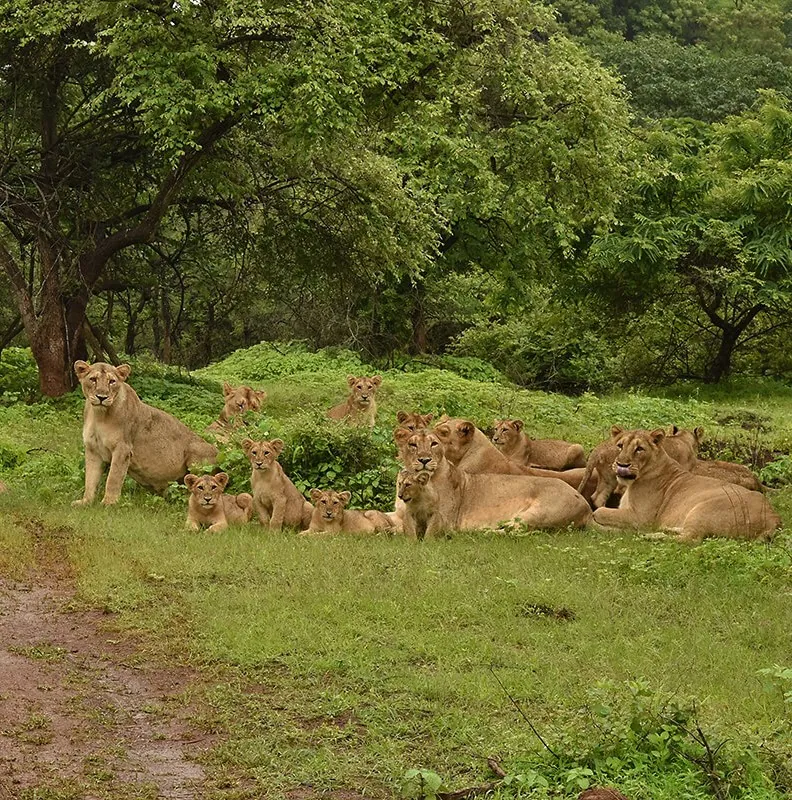

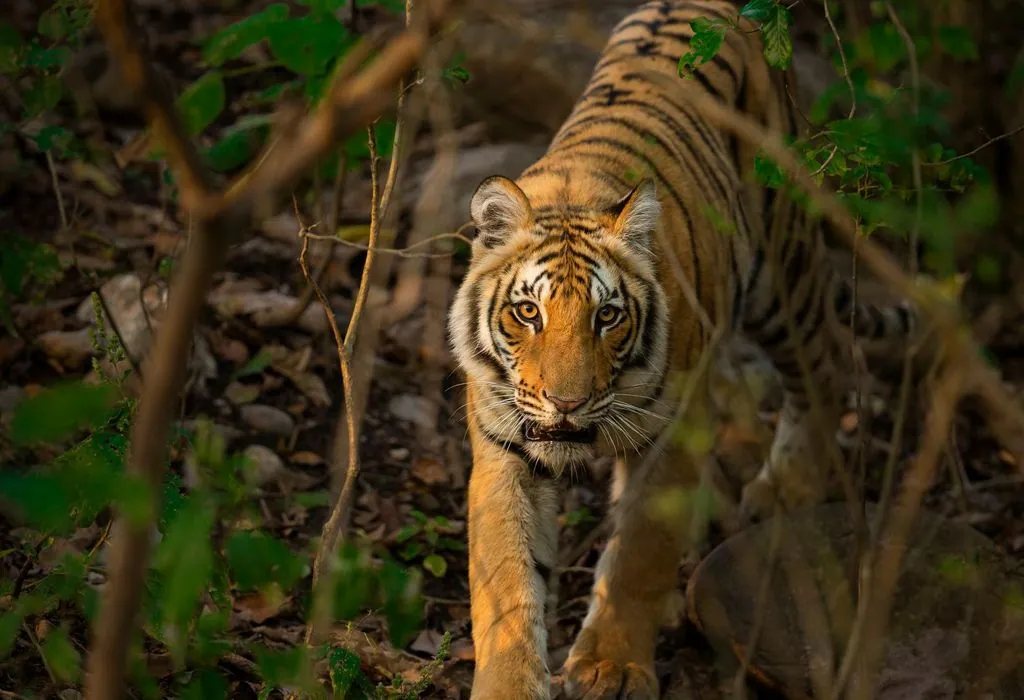
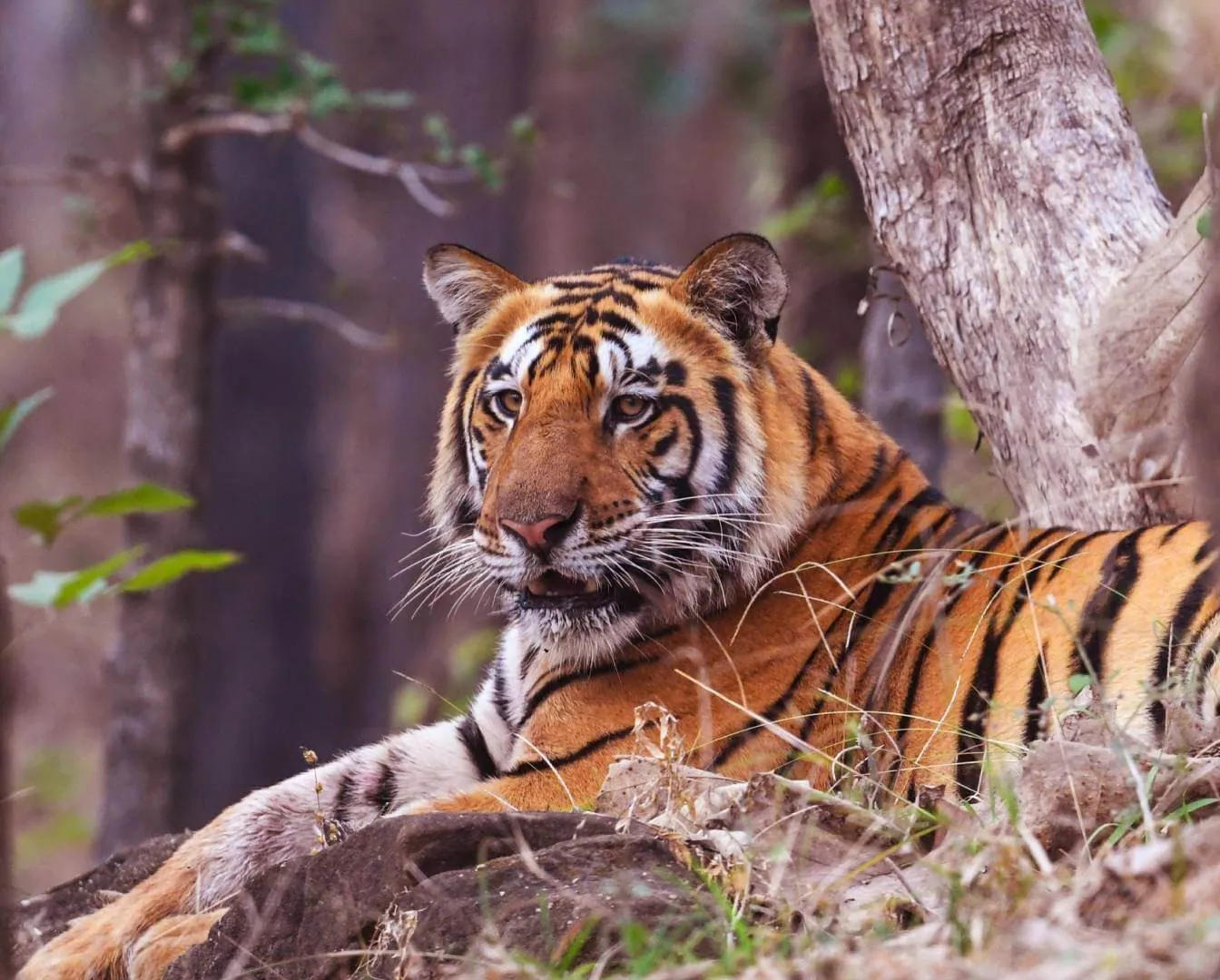
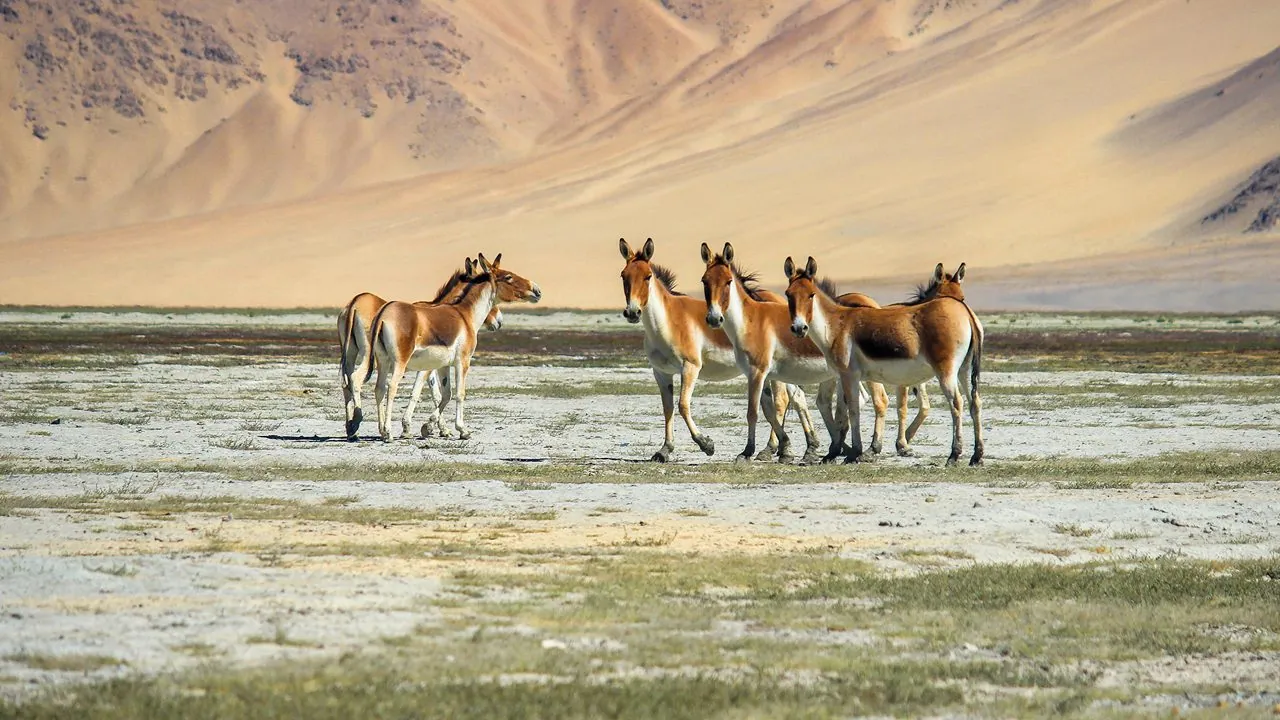
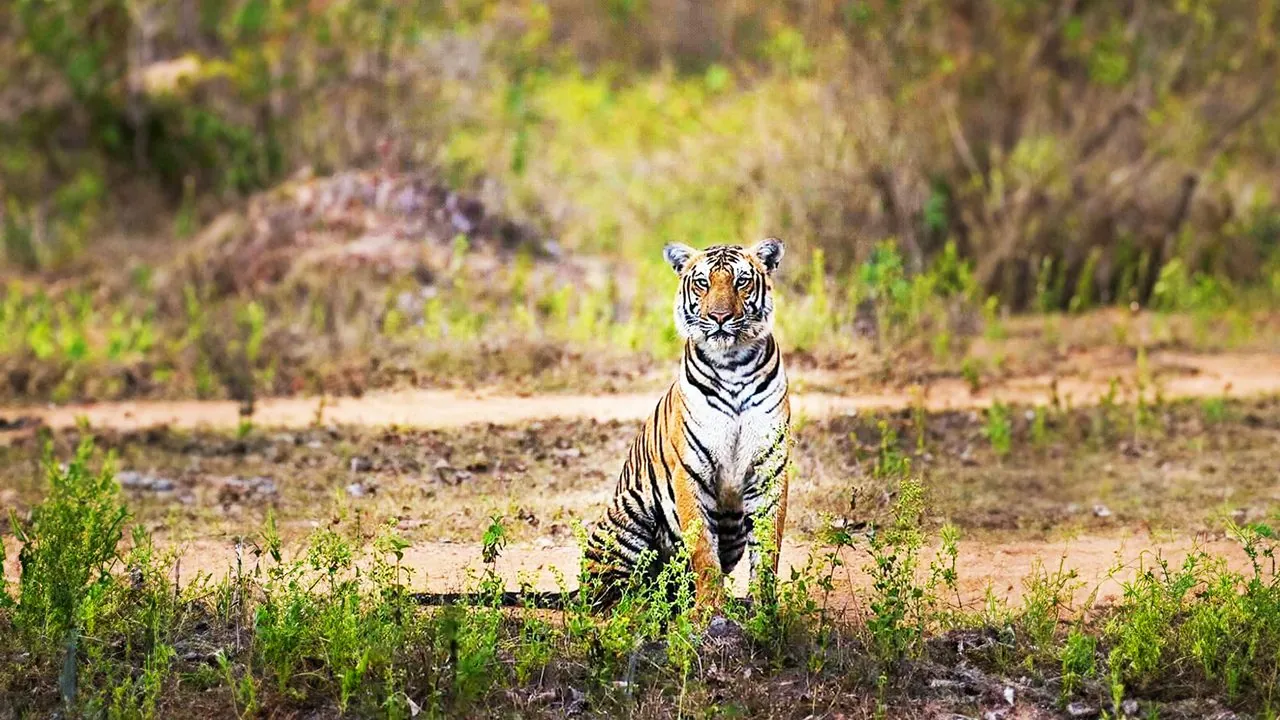
The best time for a tiger safari is during the dry season, from October to June. April to June is ideal for tiger sightings as animals often visit water sources during this period.

Tiger Safari Tours
Overview
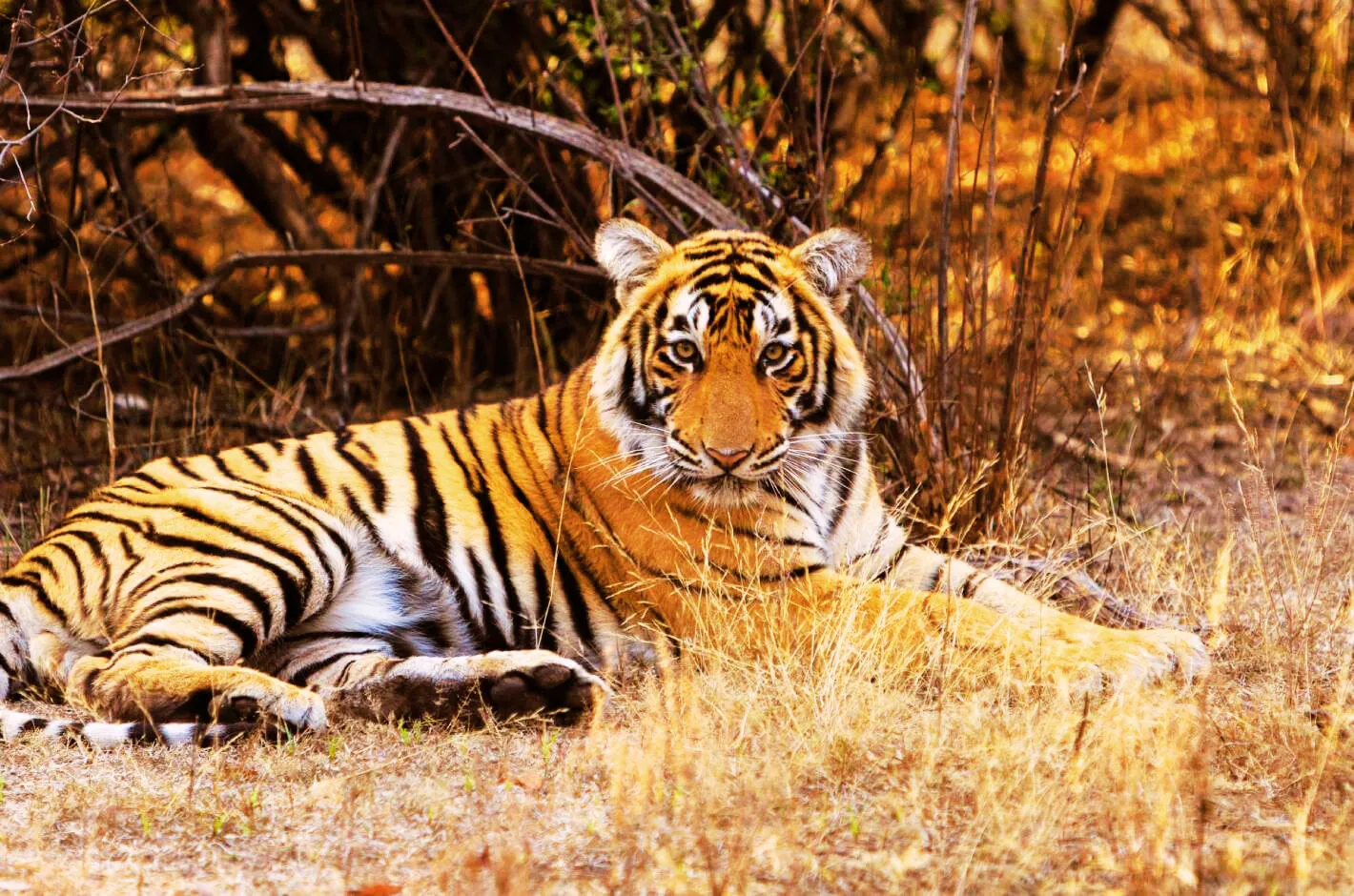
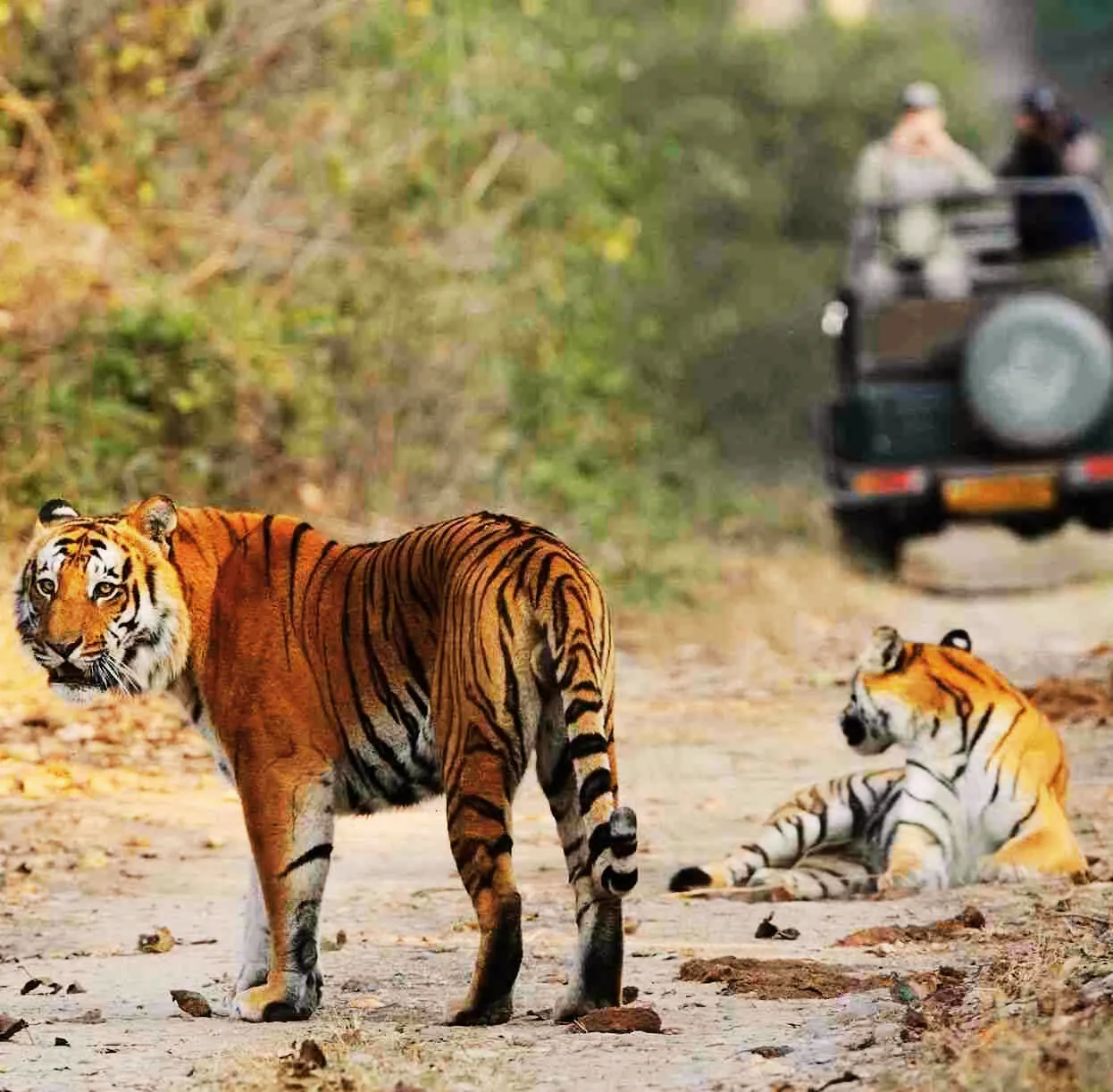
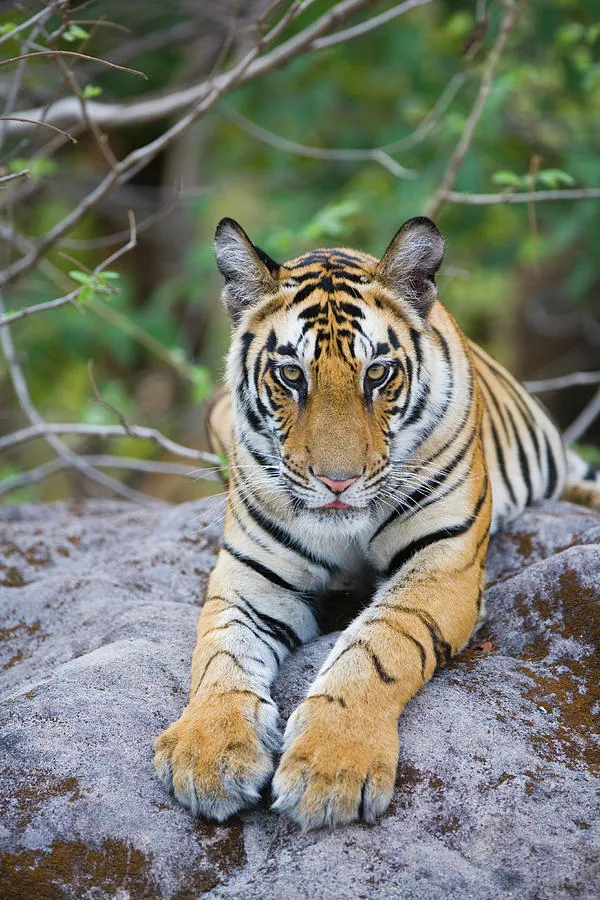
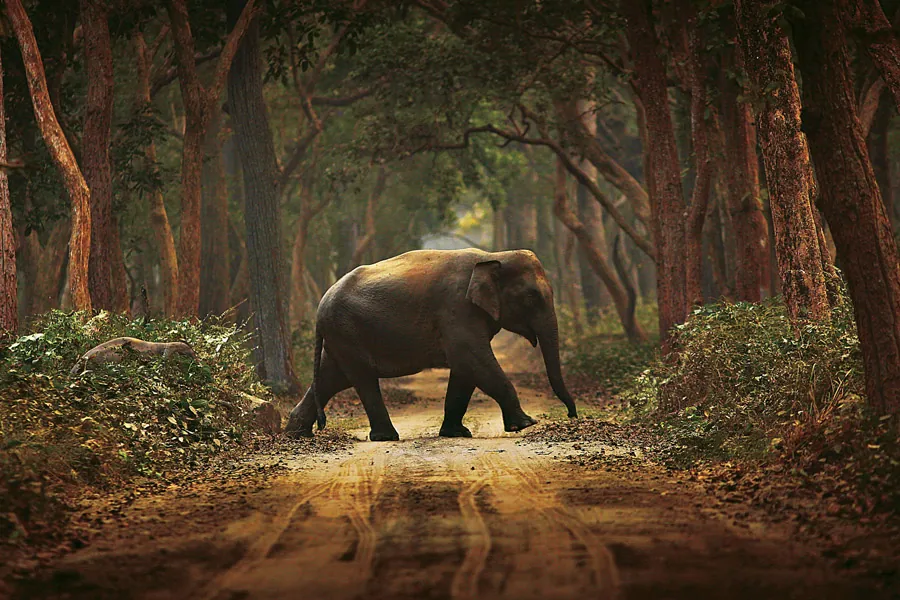
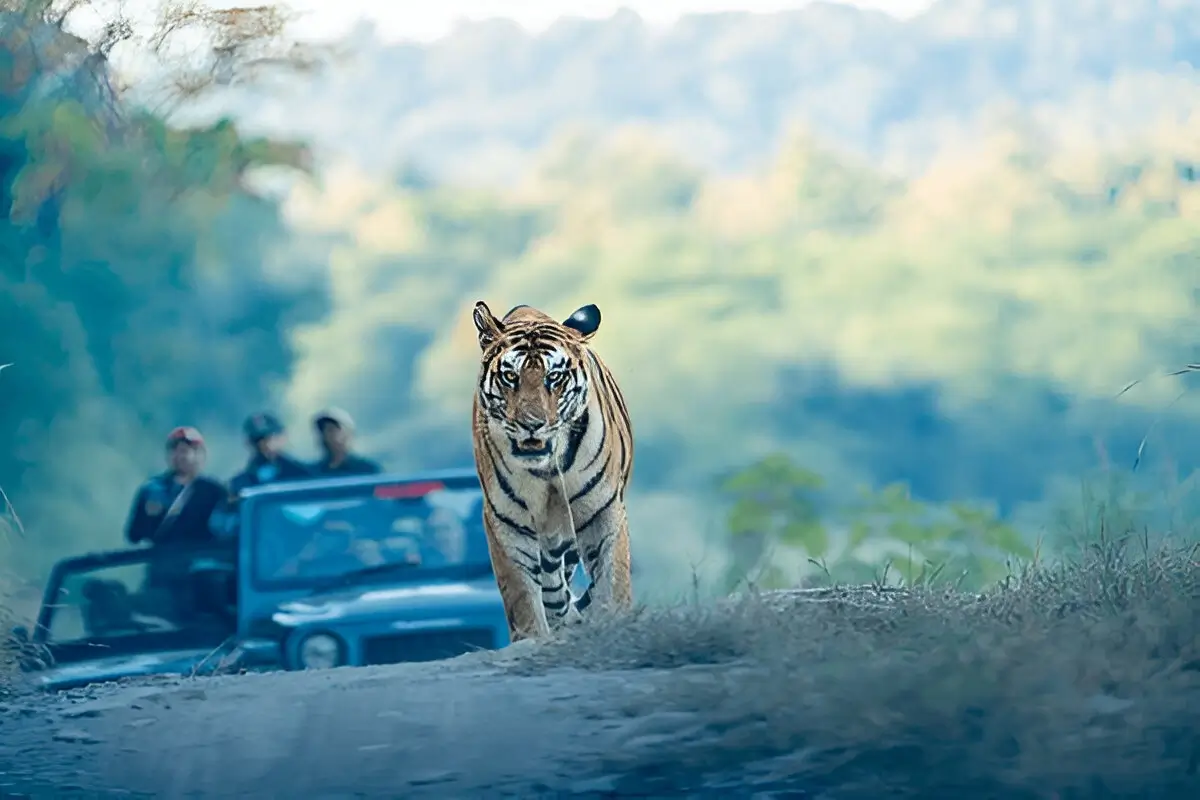
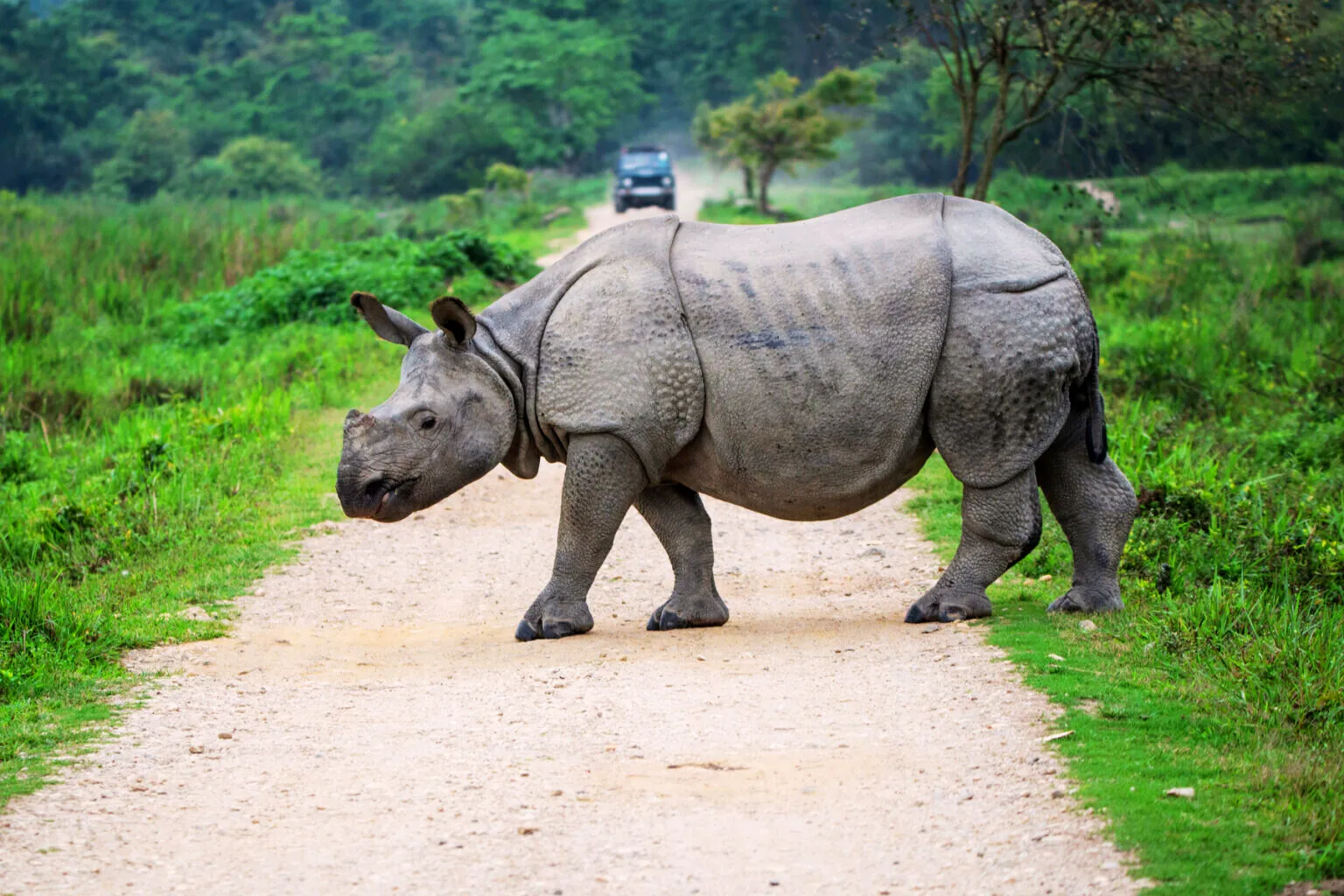
Tiger Safari Tours in India offer an exhilarating experience, allowing travelers to explore the rich biodiversity of India's national parks and wildlife reserves. These tours provide a unique opportunity to witness the majestic Bengal tiger in its natural habitat. India is home to numerous tiger reserves, including Ranthambore, Bandhavgarh, Kanha, and Jim Corbett National Parks, each known for its significant tiger population and stunning landscapes.
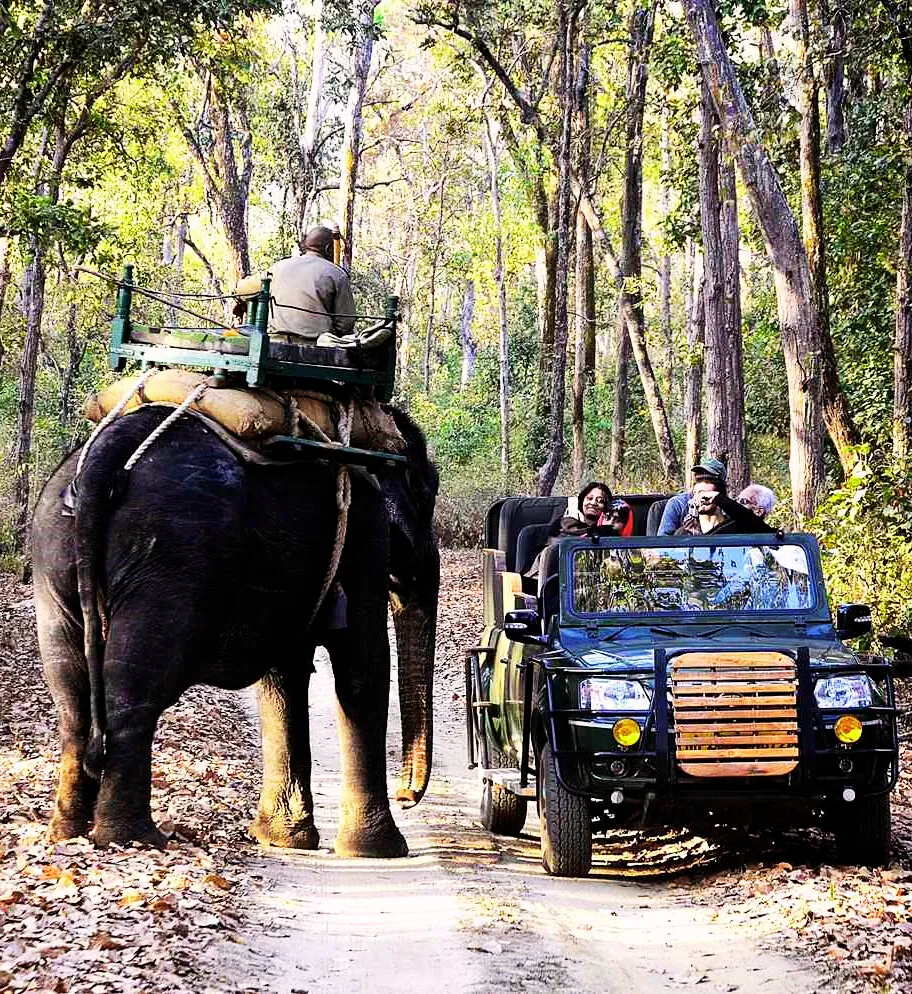
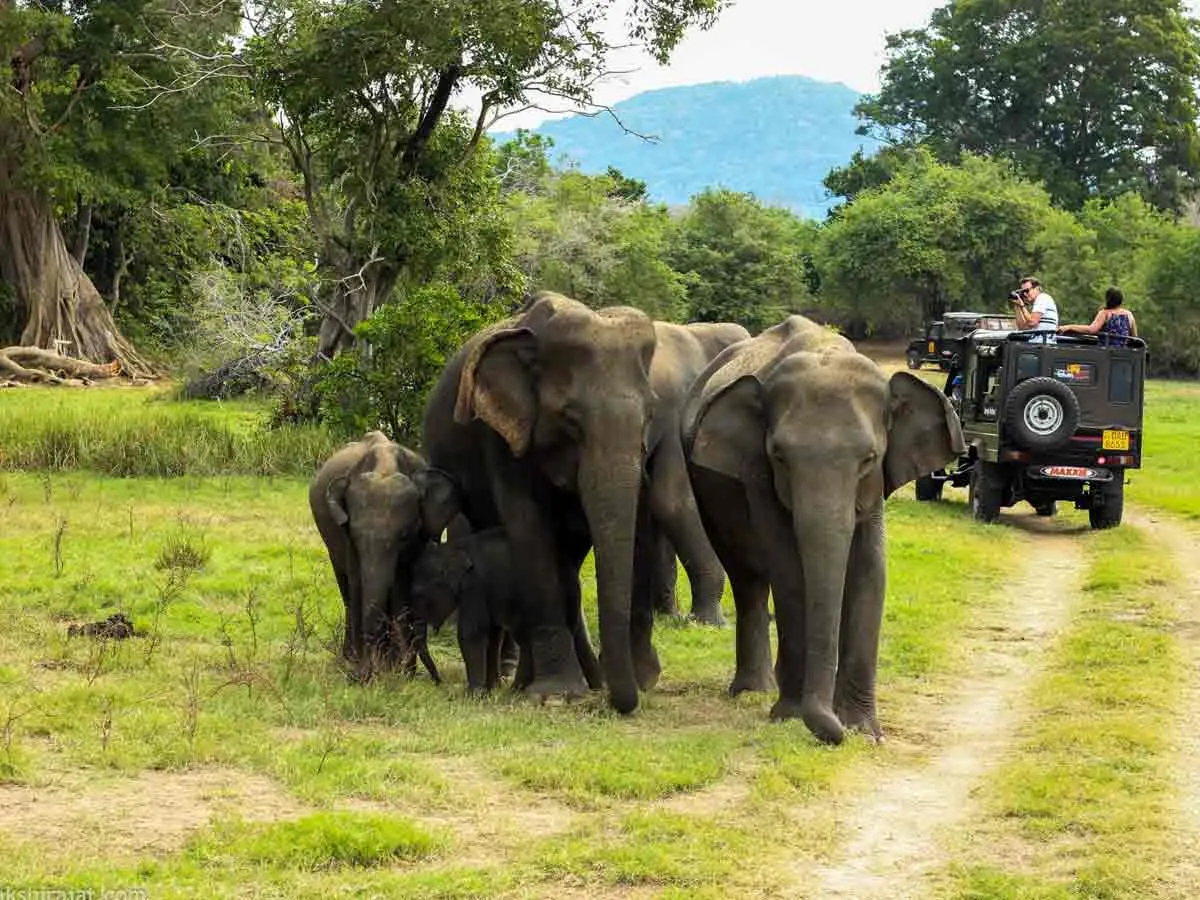
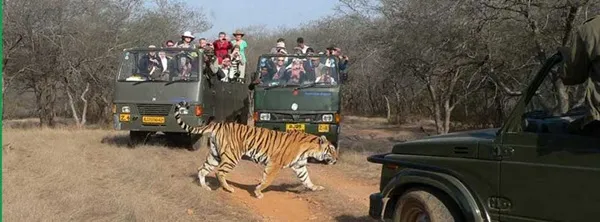
Tiger safaris typically involve guided jeep or canter rides through the dense forests and open grasslands, led by experienced naturalists who share insights about the tigers' behavior and the ecosystem. The tours often include early morning and late afternoon safaris, which are the best times to spot tigers as they are most active during these hours.
Most Popular Tours
 05N / 06D
 2N / 3D
 3N / 4D
 09N / 10D
Delhi – Ranthambore – Bharatpur – Agra
– Delhi
Ranthambore, Bharatpur & Agra Birding and Wildlife Tour
 12N / 13D
Delhi → Varanasi → Agra → Ranthambore
→ Jaipur → Udaipur → Delhi
13-Day North India Explorer with Varanasi & Udaipur
 11N / 12D
Delhi → Jaipur → Bikaner → Jaisalmer →
Jodhpur → Udaipur → Ranthambore → Delhi
13-Day 12-Day Rajasthan Heritage & Wildlife Tour
Take Me On Safari
Frequently Asked Questions
-
What is the best time to go on a tiger safari in India?
-
Which are the top national parks for tiger safaris in India?
Popular parks include Ranthambore, Jim Corbett, Bandhavgarh, Kanha, Tadoba, and Pench, each offering unique experiences and high chances of tiger sightings.
-
How can I book a tiger safari in India?
Safaris can be booked through the official websites of the respective national parks or through authorized tour operators. Booking in advance is recommended, especially during peak seasons.
-
What types of safaris are available?
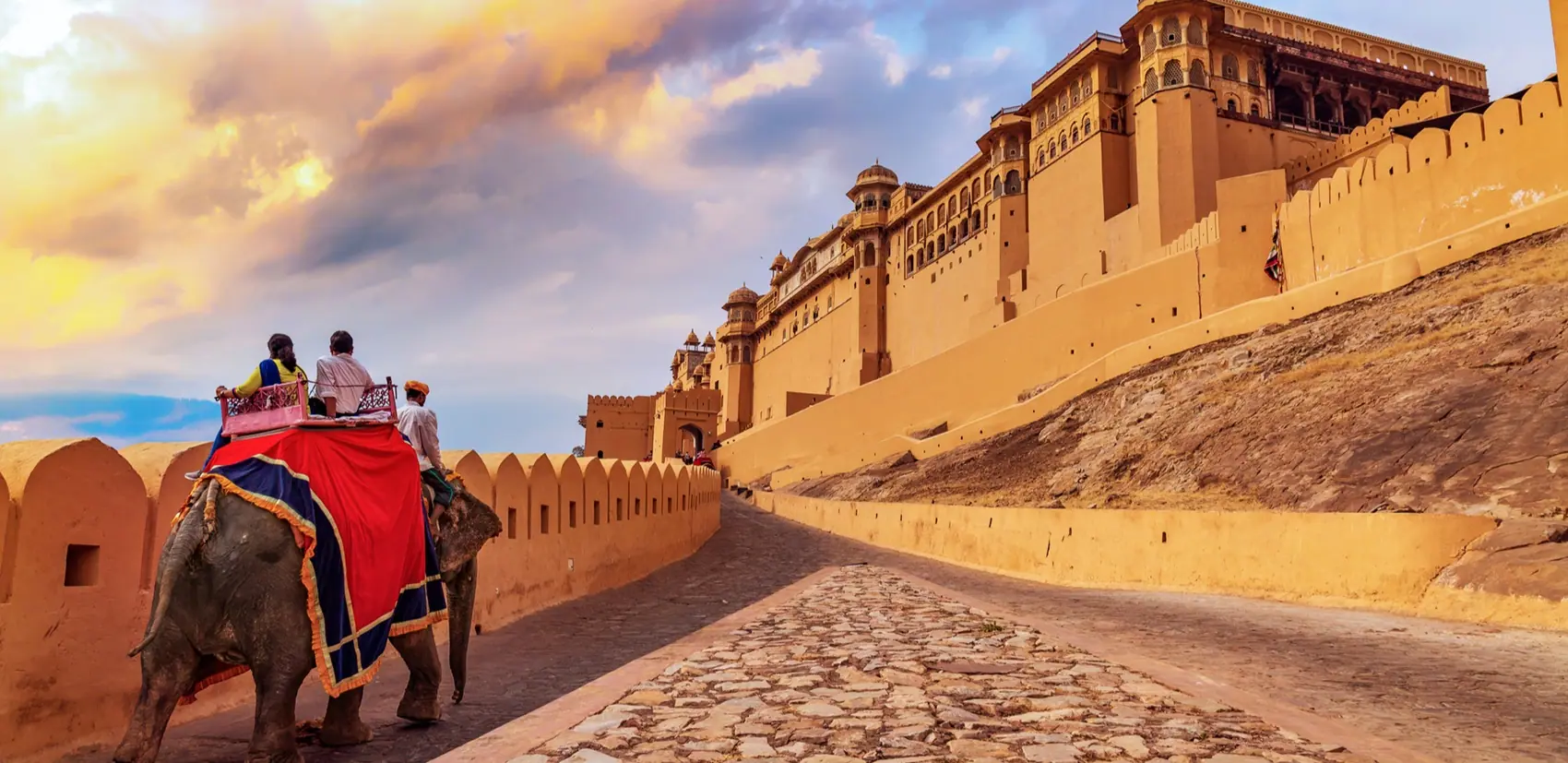
Safaris are typically conducted in open jeeps (4-6 people) or canters (12-20 people). Some parks also offer elephant safaris for a unique experience.
-
Is it safe to go on a tiger safari?
Yes, tiger safaris are generally safe. Trained guides accompany each safari to ensure safety and provide information about the wildlife.
-
What should I wear during a tiger safari?
Wear comfortable, neutral-colored clothing to blend in with the surroundings. Avoid bright colors. A hat, sunglasses, and sunscreen are also recommended.
-
What are the chances of spotting a tiger?
While there’s no guarantee, the chances are relatively high in parks like Bandhavgarh and Ranthambore. Early morning and late afternoon safaris increase the likelihood of sightings.
×