


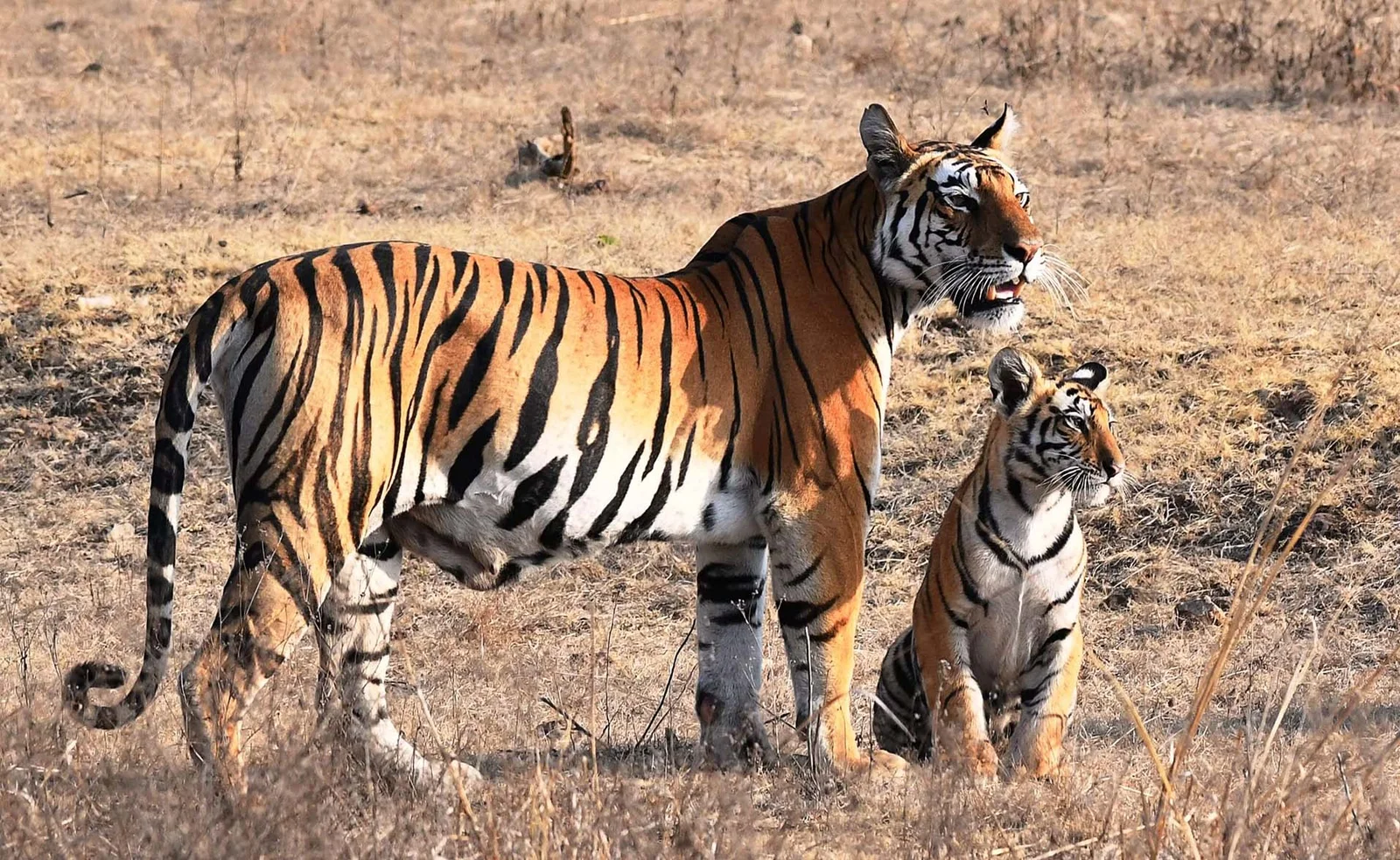
If you are planning a wildlife trip in central India, Kanha National Park almost always comes up early in the conversation. It is one of those forests people talk about with a certain warmth. Tall sal trees, wide meadows, slow-moving herds of barasingha, and the quiet possibility of seeing a tiger moving through the undergrowth.
But once the excitement settles, a very practical question follows almost immediately: how much does a Kanha safari actually cost, and what am I paying for?
This is where many first-time visitors feel confused. Unlike a museum ticket or a zoo entry, a jungle safari is not a single price. It is a bundle of permissions, vehicles, people, and rules that together make the experience possible. Gypsy charges, guide fees, permit costs, entry fees, camera fees, and sometimes seasonal variations all add up, and they are not always explained clearly on booking portals.
This guide breaks down Kanha safari charges in plain language. Not just the numbers, but why those costs exist, how they are applied on the ground, and what travelers often misunderstand when planning their budget.
Why safari pricing in Kanha feels complicated at first
The first thing to understand is that a safari in Kanha is not a “service” sold by a single company. It is a tightly regulated forest activity run by the Madhya Pradesh Forest Department, with private involvement limited to vehicles, guides, and accommodation outside the park gates.
When you go on a safari, you are essentially combining four separate components:
- Permission to enter the forest at a specific time
- A registered vehicle (gypsy)
- A trained, government-approved guide
- Your personal entry and conservation fees
Each component has its own logic and pricing structure. This is why travelers searching for Kanha safari charges online often see different numbers depending on what is included and what is not.
Once you understand this structure, the costs start to make sense.
The safari permit: the foundation of all charges
Every safari in Kanha begins with a permit. Without it, nothing else matters.
A safari permit is a government-issued entry authorization that allows one vehicle to enter a specific zone of the park during a specific safari slot, either morning or evening. It is limited in number and issued on a first-come basis through the official booking system.
This permit is the single most important cost component because it controls access.
What the permit includes
A Kanha safari permit generally covers:
- Entry for one gypsy (up to 6 visitors)
- Forest entry charges
- Conservation and development fees
- Basic forest service costs
It does not include:
- Gypsy rental
- Guide charges
- Camera fees (if applicable)
This distinction is critical, and many travelers miss it when comparing prices.
Permit cost differences: Indian vs foreign nationals
Permit fees vary significantly depending on nationality.
Indian citizens pay a lower permit fee, while foreign nationals pay a higher rate. This difference is standardized across most national parks in India and is linked to conservation funding policies.
When people search for information similar to Kanha safari charges for foreigners or Kanha jeep safari cost for Indians, they are essentially asking about this permit difference.
Another important point is that permit prices can vary slightly depending on the zone. Premium zones often carry a marginally higher permit fee due to demand.
Understanding safari zones and how they affect pricing
Kanha is divided into multiple tourism zones, each with a fixed number of daily safari entries. Popular zones usually get booked faster, especially during peak season.
While the core forest experience is similar across zones, pricing can differ slightly because:
- Demand varies by zone
- Availability is controlled per gate
- Some zones are considered more scenic or wildlife-rich
This is why travelers often look up comparisons similar to which Kanha safari zone is best for tigers or difference between Mukki and Kisli safari zones. The zone does not just influence sightings; it can also affect your final safari cost.
Gypsy charges: what you pay for the vehicle
Once you have a permit, the next major cost is the gypsy, the open 4×4 vehicle used for safaris.
Kanha does not allow private cars or shared transport inside the forest. Only registered gypsies operated by authorized local drivers are permitted.
How gypsy pricing works
Gypsy charges are usually fixed per safari, not per person. Whether there are two people or six in the vehicle, the rate remains the same.
This is why solo travelers or couples often find safaris expensive unless they share a vehicle, while families or small groups find the cost more reasonable.
Gypsy charges typically cover:
- Vehicle use for the entire safari slot
- Driver services
- Fuel and maintenance
They do not include:
- Guide fees
- Permit costs
If you are comparing prices while researching topics like Kanha safari booking cost breakdown or jeep safari charges in Kanha, always check whether the gypsy rate is shown separately or bundled.
Guide fees: mandatory and non-negotiable
Every gypsy entering Kanha must carry an officially registered forest guide. This is not optional.
Guides are trained, licensed by the forest department, and rotated systematically to ensure fair distribution of work.
Why guides are compulsory
Guides are responsible for:
- Interpreting animal behavior
- Ensuring forest rules are followed
- Coordinating with forest guards
- Enhancing safety for both wildlife and visitors
Their presence is also a key conservation measure. Without guides, safaris would quickly turn chaotic.
Guide charges explained
Guide fees are fixed per safari and paid separately. The rate is the same regardless of group size or nationality.
In practice, this fee is usually collected in cash at the gate or included in pre-arranged safari packages.
People unfamiliar with this system often ask questions similar to is guide included in Kanha safari cost or why do I have to pay extra for a guide. Once you understand their role, the fee feels more reasonable.
Entry fees and conservation charges: where your money goes
Apart from permits, there are smaller but important entry-related fees that contribute to conservation and park management.
These include:
- Per-person entry charges
- Conservation and development fees
- Eco-development contributions
While these amounts are often bundled into the permit, it is worth knowing that this money directly supports:
- Anti-poaching patrols
- Habitat restoration
- Local community employment
- Wildlife monitoring programs
Camera fees and what photographers should know
If you plan to carry a professional camera, especially one with a large lens, there may be an additional camera fee.
Mobile phones and small personal cameras are usually exempt, but DSLRs with telephoto lenses may attract a charge.
This is one of those small details people often discover too late, particularly wildlife photographers researching Kanha safari rules for cameras or DSLR charges in Indian national parks.
It is always better to confirm camera rules at the time of booking or with your lodge.
Morning vs evening safari costs: is there a difference?
In Kanha, morning and evening safari permits are usually priced similarly. The difference lies more in experience than cost.
Morning safaris are longer and start early, often offering better light and animal activity. Evening safaris are shorter but can be equally rewarding, especially in open meadows.
Some travelers believe morning safaris cost more, but in most cases, the pricing difference is minimal or nonexistent. The real difference is availability. Morning slots fill up faster, which is why people often search for guidance like best time to book Kanha safari permits.
Seasonal pricing and peak demand
Kanha remains open from October to June, with the best wildlife sightings typically reported between February and May.
During peak season:
- Permits sell out faster
- Premium zones are harder to secure
- Last-minute bookings become expensive or impossible
While official permit rates remain stable, the effective cost of a safari can increase due to:
- Higher lodge prices
- Limited vehicle availability
- Dependence on bundled packages
This is why experienced travelers recommend early planning, especially after reading detailed resources on best season to visit Kanha National Park for safari.
Common misunderstandings about Kanha safari charges
Over the years, a few misconceptions keep coming up:
“The permit price is the total safari cost.”
It is not. You must add gypsy and guide charges.
“I can share a gypsy automatically.”
Shared safaris are not guaranteed unless pre-arranged.
“Foreigners pay more for everything.”
Only permit fees differ. Gypsy and guide charges are the same.
“Expensive safari means better sightings.”
Wildlife sightings depend on luck, timing, and natural behavior, not price.
Understanding these points can save you both money and frustration.
Putting it all together: a realistic cost picture
When you combine:
- Safari permit
- Gypsy charges
- Guide fees
- Entry and conservation fees
- Optional camera charges
You get the true cost of a Kanha safari.
This bundled understanding is what people are really looking for when they search for Kanha safari charges complete guide or actual cost of jeep safari in Kanha. Not just numbers, but clarity.
A final word on planning your Kanha safari budget
A safari in Kanha is not cheap, but it is not arbitrary either. Every charge exists for a reason, tied to conservation, safety, and sustainable tourism.
If you go in expecting a single ticket price, you will feel confused. If you go in understanding the structure, you will feel prepared and in control.
Plan early, read zone-specific information, understand what is included, and avoid last-minute assumptions. Doing so allows you to focus on what actually matters once the gypsy enters the forest: the silence, the anticipation, and the privilege of being a guest in one of India’s most beautiful wild landscapes.
If you are still preparing, it helps to explore detailed planning resources on how to book Kanha safaris step by step, compare zones realistically, and choose the right season for your travel goals. The better prepared you are, the more meaningful the experience becomes.
