


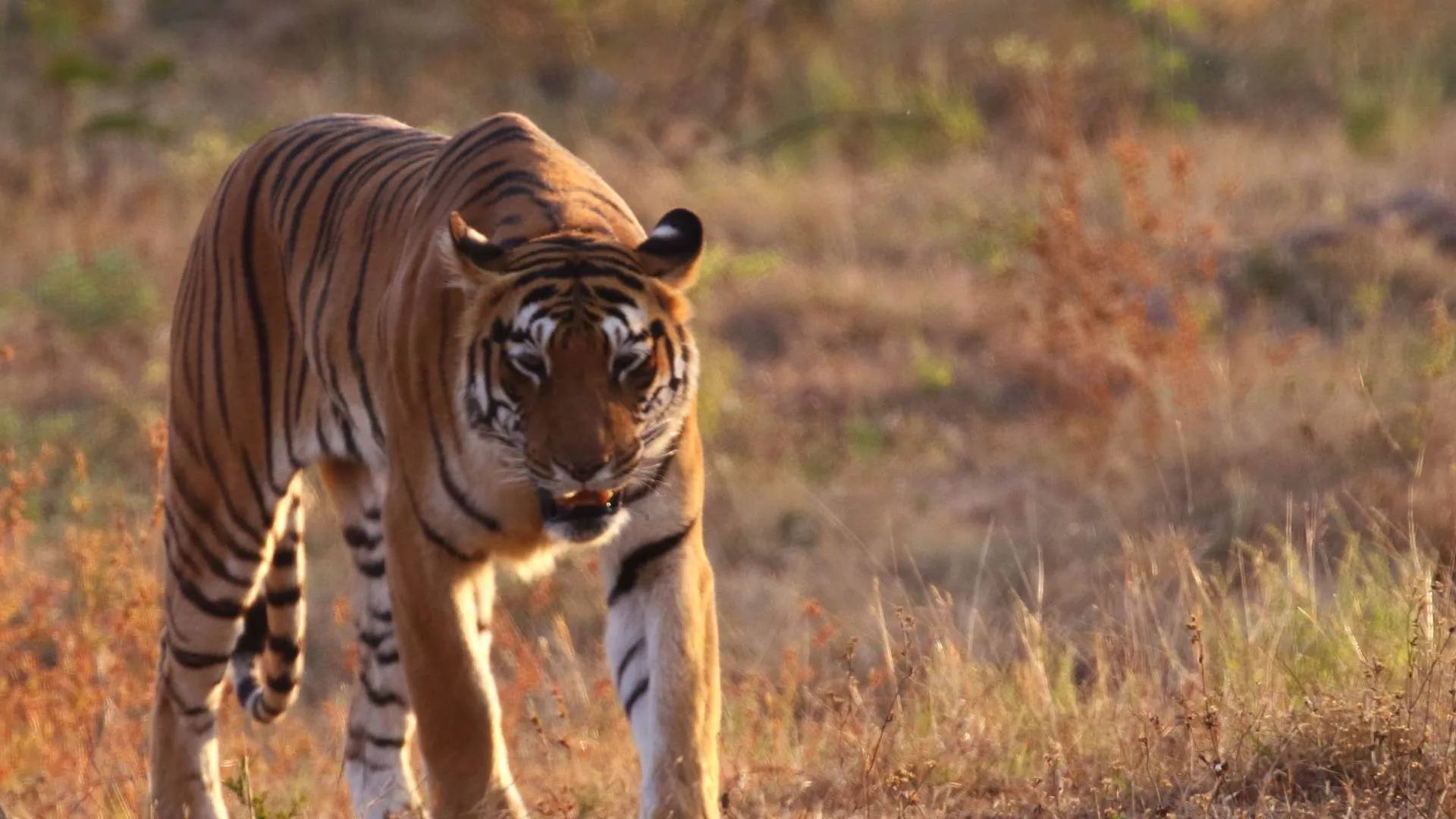
Most Tadoba trips fail for one simple reason: people plan a “perfect safari” but forget to plan a smooth day. They book a permit at a gate far from their stay, rush the reporting time, skip meals, get tired by day two, and then wonder why they didn’t enjoy the forest as much as they expected.
This itinerary guide fixes that. It gives you three options (2-day, 3-day, and 4-day), each written the way we plan trips for our guests at tuskwildlife.com: realistic transfers, sensible safari slots, enough rest, and a structure that increases your chances of good wildlife moments without turning the trip into a race.
If you haven’t booked yet, keep these two guides open. They make every itinerary smoother: Tadoba Safari Booking Guide and Tadoba Entry Gates Guide.
Before you pick 2, 3, or 4 days: 5 rules that make Tadoba better
Rule 1: Choose your stay belt first, then book gates
This is the biggest difference between a calm safari and a stressful safari. Tadoba is planned gate-wise. If your resort is near one belt and your permits are on another belt, your safari day begins with commuting, not wildlife.
If you’re confused between the two most common bases, read: Where to Stay in Tadoba: Moharli vs Kolara.
Rule 2: One safari can be lucky, but 2–4 safaris is a real plan
Tadoba is known for strong sightings, but no one can promise a tiger on demand. Your odds improve naturally when you do more drives and give the forest more chances to “open up.”
Rule 3: Mix morning and evening drives
If your schedule allows, do at least one morning and one evening safari. Light, temperature, and animal movement can feel very different. A mix reduces regret.
Use this to decide slots based on your travel day: Morning vs Evening Safari in Tadoba.
Rule 4: Don’t panic if core permits are sold out
Buffer safaris can still be very rewarding, and they often save trips on peak dates. The goal is not “core only.” The goal is “good safaris with calm logistics.”
If you want a simple explanation that helps with planning: Core vs Buffer Zones Explained.
Rule 5: Plan your body like you plan your camera
A safari is an early start, dust, heat (in season), and long hours sitting. Your best sightings often happen when you’re alert, hydrated, and patient. Build rest into your plan. Eat on time. Carry water. Keep mornings calm.
For a checklist that covers clothing, dust, and essentials: What to Pack for Tadoba Safari.
How to choose the right itinerary length
Choose a 2-day Tadoba itinerary if
- you have a tight schedule and want a quick tiger safari experience
- you’re okay with 2 safaris and “best effort” sightings
- you want a weekend-style wildlife break
Choose a 3-day Tadoba itinerary if
- you want 3–4 safaris and better overall odds
- you want a more relaxed pace with at least one “buffer day” in the middle
- you want time to learn the forest rhythm, not just rush through it
Choose a 4-day Tadoba itinerary if
- you want the best chance of strong tiger moments without pressure
- you enjoy wildlife and want variety (morning, evening, different gates if possible)
- you’re a photographer and want more light conditions and behavioral moments
If photography is a priority, also read: Tadoba Photography Guide.
2-Day Tadoba itinerary (2 safaris): best for a quick, efficient trip
This is the itinerary we recommend when someone wants Tadoba in a short window. It keeps the plan clean: arrive, settle, do one evening safari, do one morning safari, and leave.
Day 1: Arrival + Evening safari
Morning to afternoon: Arrive in Tadoba region and check into your resort. Your first job is not “run to the gate.” Your first job is to settle properly: eat, hydrate, and keep your documents ready.
Why evening first? Because many travelers arrive the same day from a city. Evening safaris are often easier on arrival day. You avoid the pressure of early morning reporting right after travel.
- Check-in, lunch, rest
- Confirm your safari permit details and gate reporting time
- Evening safari (choose a gate near your stay)
- Dinner + early sleep (tomorrow is an early start)
If you haven’t booked the permit yet, do it first: Tadoba Safari Booking Guide.
Day 2: Morning safari + departure
- Early wake-up
- Morning safari (best time for crisp light and fresh forest energy)
- Breakfast after safari
- Check-out and drive back / onward
2-day planning tip: Keep your gate drive short. A rushed morning ruins the best part of a short trip.
3-Day Tadoba itinerary (3–4 safaris): best balance of sightings and comfort
Three days is where Tadoba starts to feel like a real wildlife holiday. You can do 3–4 safaris, mix slots, and still have time to rest. This itinerary gives you strong odds without burning you out.
Day 1: Arrival + Evening safari (or rest if you reach late)
If you arrive by early afternoon, do an evening safari. If you arrive late, don’t force it. Start fresh the next morning. A tired safari is rarely a good safari.
- Check-in, lunch, rest
- Optional: evening safari (recommended if arrival timing is comfortable)
- Dinner + early sleep
Day 2: Morning safari + Evening safari (classic double-drive day)
This is your core safari day. You’ll do one morning and one evening drive, with a big rest window in between. That rest window matters. It’s when you reset your body and mind.
- Morning safari
- Breakfast + rest
- Lunch
- Evening safari
- Dinner
If you’re choosing between core and buffer for this day, use: Core vs Buffer Zones Explained.
Day 3: Morning safari + departure
- Morning safari
- Breakfast
- Check-out and departure
3-day planning tip: Try to keep your safaris on the same belt where you stay. Switching belts daily can waste time and energy.
4-Day Tadoba itinerary (5–6 safaris): best for tiger-focused travelers and photographers
Four days is the sweet spot for people who truly want a strong Tadoba experience. With 5–6 drives, you reduce pressure, increase variety, and give yourself space for “slow moments” that become the best memories: a tiger resting in shade, a calm walk across the track, alarm calls building, or a surprise leopard sighting.
Day 1: Arrival + Evening safari (easy start)
- Check-in + rest
- Evening safari (recommended if you arrive comfortably)
- Dinner + early sleep
Day 2: Morning safari + Evening safari
After the first safari day, you start reading Tadoba better. You understand the pace, the light, and how quickly sightings form and dissolve.
- Morning safari
- Rest + lunch
- Evening safari
Day 3: Morning safari + Evening safari (with a smart variation)
This is a good day to add variety:
- If your core permits are strong, keep one core drive
- If core permits are tight, use a buffer safari near your belt
- If crowds feel heavy, choose the slot and gate that gives you calmer pacing
You don’t need “new gates every time.” But if you have the flexibility, one variation day can keep the experience fresh.
Day 4: Morning safari + departure (finish strong)
- Morning safari
- Breakfast
- Departure
4-day planning tip: Build one “easy” afternoon into the middle. Not every day needs two safaris, but if you do double drives, protect your rest window.
Itinerary upgrades: simple tweaks that improve your odds and enjoyment
Upgrade 1: Keep one “flex safari” slot
If you’re staying 3–4 days, try to keep at least one safari as a flexible booking choice (where possible). Why? Because permit availability shifts, and sometimes buffer gates become the best practical option on your dates. A flexible slot helps you adjust instead of forcing a stressful plan.
Upgrade 2: Align safari slots with your travel day
If you arrive on Day 1, evening is usually safer. If you leave on Day 2 or Day 3, morning is usually better. It keeps your schedule realistic and avoids “impossible mornings” after late-night travel.
Use this to decide: Morning vs Evening Safari in Tadoba.
Upgrade 3: Plan a photographer-friendly day
If photography matters, build your days around light and calm reporting. Rushing kills sharpness, focus, and patience. Carry a simple shot list in your head: portraits, full-body walk, habitat, behavior, atmosphere.
Practical camera and settings help: Tadoba Safari Photography Guide.
Gate and stay strategy for these itineraries (the calm way)
Here’s the simplest approach we use when building Tadoba plans:
- Step 1: Decide your stay belt (Moharli side or Kolara side usually)
- Step 2: Choose gates that match that belt
- Step 3: Book 2–4 safaris based on trip length
- Step 4: Mix morning and evening
- Step 5: Use buffer gates when core inventory is tight
Read these in this order if you want a perfect foundation:
- Where to Stay: Moharli vs Kolara
- Tadoba Entry Gates Guide
- Tadoba Safari Booking Guide
- Core vs Buffer Zones Explained
What to pack (quick checklist for this itinerary)
Packing affects your patience, and patience affects your safari. Carry the basics that keep you comfortable and focused:
- neutral clothing (avoid bright colors)
- a warm layer for winter mornings
- cap/hat, sunscreen, sunglasses
- water bottle and light snacks (as permitted)
- dust protection scarf/buff
- power bank, extra camera battery and cards (if using a camera)
Full checklist here: What to Pack for Tadoba Safari.
FAQs: 2/3/4-day Tadoba itinerary
How many safaris are enough in Tadoba?
Two safaris is a solid minimum for a short trip. If you want better odds and less pressure, 3–4 safaris is ideal. If you want the strongest experience, plan 5–6 drives across 4 days.
Is a 2-day Tadoba trip worth it?
Yes, if you plan it cleanly: one evening safari on arrival day and one morning safari the next day. Keep the gate close to your stay and don’t rush reporting.
Should I choose core or buffer for a short itinerary?
Core is the classic experience, but if core permits are not available, buffer safaris can still be excellent. For short trips, the best choice is usually the one that keeps your logistics calm.
Which itinerary is best for tiger sightings?
A 3-day itinerary offers the best balance. A 4-day itinerary gives the best overall odds and the least pressure.
Read Next: Build Your Tadoba Safari Plan
- Tadoba National Park Travel Guide
- Tadoba Safari Booking Guide
- Tadoba Entry Gates Guide
- Core vs Buffer Zones Explained
- Morning vs Evening Safari in Tadoba
- Where to Stay: Moharli vs Kolara
- What to Pack for Tadoba Safari
- Tadoba Safari Photography Guide
Quick tip: Pick your stay belt first, then book gates that match. Smooth mornings usually become your best mornings in the forest.
Plan Your Tadoba Safari with tuskwildlife.com
tuskwildlife.com helps travelers plan wildlife holidays across India with park-focused itineraries, safari booking guidance, and custom tour packages. Share your dates, arrival route, and comfort preferences, and our team helps you choose the right Tadoba gate belt (core or buffer), safari slots, and stay options so your trip runs smoothly from the first permit to the last game drive.
Explore: India Tiger Safari Tours
