


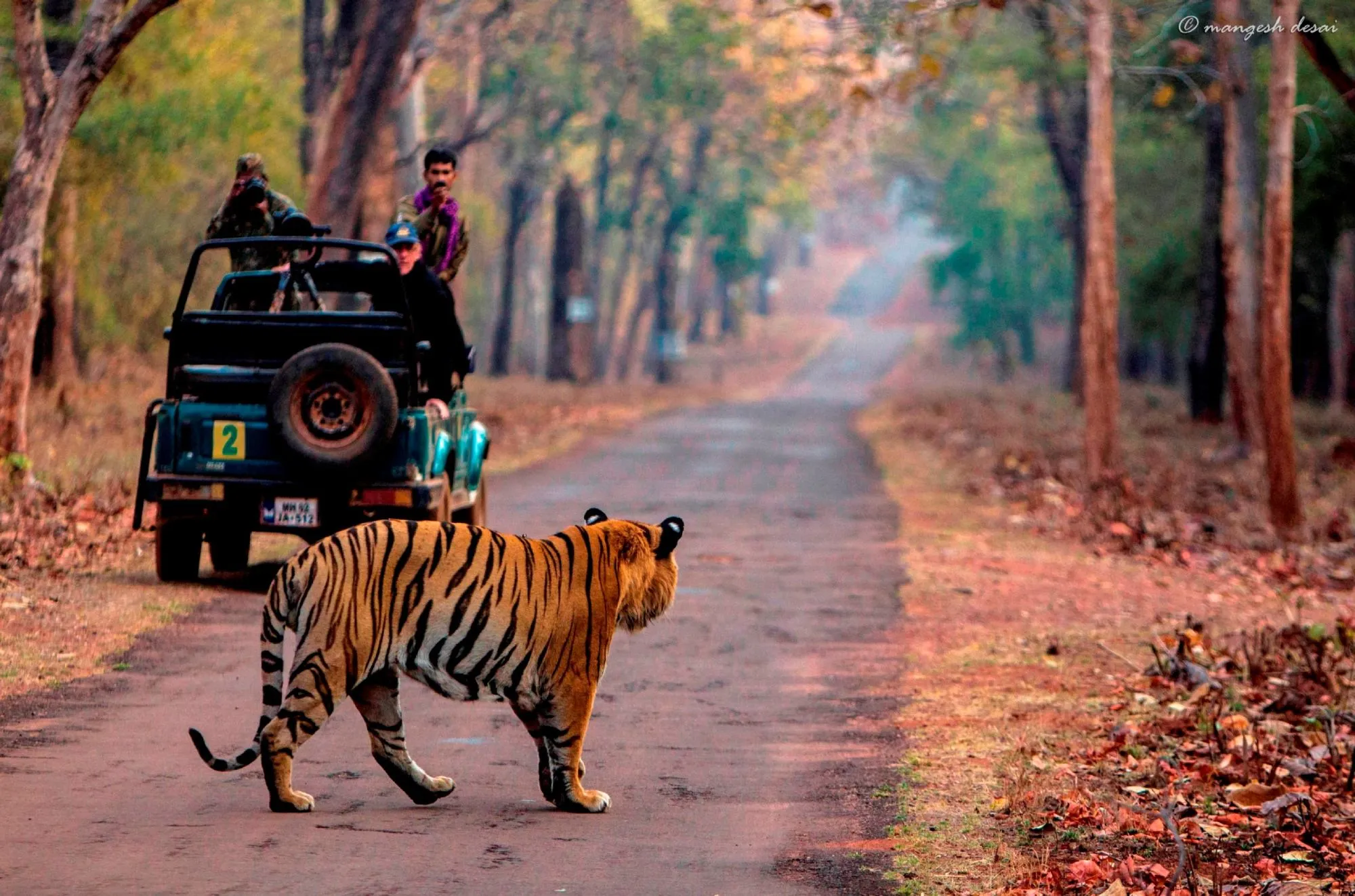
If you ask five wildlife travelers about the “best time” for Tadoba, you’ll hear five confident answers. The real answer depends on what you mean by best: best for tiger sightings, best for weather, best for photography, or best for a relaxed family trip. Tadoba is special because it can be rewarding across many months, but the experience changes a lot with season. In peak heat, you may get stronger sighting chances around water, but comfort becomes tough. In winter, the forest feels pleasant and easy, but sightings can be more spread out. And in monsoon months, the rules of access can change, especially for core areas. This guide keeps it practical: a month-by-month breakdown, the best months for tigers vs comfort, when crowds are highest, and how to plan your safaris so your trip feels smooth, not rushed. If you’re still building your plan, keep these open: Tadoba Safari Booking Guide and Tadoba Entry Gates Guide.
Quick answer: best months for tiger sightings in Tadoba
- Best for tiger sightings (highest odds): February to May (summer build-up and peak summer).
- Best for comfortable weather + a balanced safari: November to February.
- Best “value” months (good experience, often less pressure than peak): October–November and late February.
- Monsoon season: Core access typically closes during monsoon (often from July 1 to October 1 in many years), while some buffer access may continue depending on official orders and gate status.
One more detail that affects planning a lot: Tadoba has weekly closures (Core on Tuesdays and Buffer on Wednesdays), so your “best time” also depends on how you arrange your safari days.
What changes season to season (and why it matters for tiger sightings)
Tigers don’t follow a calendar, but the forest does. The most important seasonal factors are:
- Water availability: As water sources shrink, animal movement becomes more predictable around water.
- Vegetation density: Dry seasons have clearer visibility; post-monsoon can be greener and thicker.
- Temperature and comfort: Extreme heat impacts how long you stay sharp and patient on a drive.
- Tourism pressure: Peak months have higher demand and fuller safaris.
- Access rules: Core vs buffer availability can shift around monsoon and weekly closure days.
So the “best time” is not only a wildlife question. It’s also a planning question.
Month-by-month Tadoba guide: sightings, weather, crowds, and who it suits
October
October feels like a fresh restart after the monsoon period. The forest can still look greener, temperatures start becoming easier, and it’s a good month for travelers who want a pleasant safari without peak-summer heat.
- Sighting trend: improving as the season opens up
- Best for: comfortable travel, first-time visitors who dislike heat
- Plan tip: book early if your dates include festivals or long weekends
November
November is a very balanced month. Weather is comfortable, mornings feel fresh, and overall safari energy feels calm.
- Sighting trend: good, with improving visibility
- Best for: families, couples, relaxed safari pace
- Plan tip: aim for 2–3 safaris so you don’t put pressure on one drive
December
December is one of the most popular months because it’s comfortable. That also means demand rises: permits and good stays can sell out early.
- Sighting trend: good (visibility generally improves as winter settles)
- Best for: comfort-first travelers
- Watch out: crowds and peak pricing around holidays
January
January is similar to December: comfortable, busy, and very suitable for first-time safari travelers. Mornings can be chilly, which matters if you’re in an open gypsy.
- Sighting trend: good, but conditions vary day to day
- Best for: first-timers, photographers who prefer softer light
- Pack: warm layer for morning safaris
February
February is where Tadoba starts shifting toward “sighting season.” The forest begins drying out, and many travelers rate this as the start of the strongest tiger-sighting window.
- Sighting trend: strong and improving
- Best for: tiger-focused travelers who still want manageable heat
- Plan tip: book earlier than you think; this month is popular
March
March is often a top month for serious tiger seekers. Heat increases, the forest becomes drier, and animal movement can become more visible. But comfort starts dropping, especially in mid-day sun.
- Sighting trend: very strong
- Best for: tiger-focused travelers, photographers (if you handle heat)
- Plan tip: choose stays close to your gate to avoid exhausting transfers
April
April is prime tiger season for many visitors, but it’s hot. The upside is that wildlife behavior around water sources can feel more predictable. The downside is that your stamina matters.
- Sighting trend: peak-level for many travelers
- Best for: sighting-focused trips, shorter but intense safari breaks
- Watch out: heat, dehydration, dusty conditions
May
May can be one of the strongest months for sightings, but also the harshest for heat. Some days feel extreme. This month is best if your priority is tigers and you’re prepared for tough temperatures.
- Sighting trend: peak potential
- Best for: “tigers-first” travelers, photographers who can manage harsh light and heat
- Plan tip: keep your schedule simple: safari + rest + safari
June
June is a transition month. Early June can still feel like peak summer. Later June may see weather shifts. This is a month where planning needs extra care because access rules and conditions can change as monsoon approaches.
- Sighting trend: can be strong early month, variable later
- Best for: travelers who can stay flexible
- Plan tip: confirm gate availability and current rules before finalizing
July to September (monsoon period)
Monsoon is not a typical “tiger safari season” because conditions change and core access usually closes for ecological and safety reasons. In many years, core closure runs from July 1 to October 1, while some buffer options may remain open depending on official decisions.
- Sighting trend: generally lower and more variable (thicker greenery)
- Best for: travelers who love lush landscapes more than sightings
- Plan tip: treat monsoon travel as “experience the forest,” not “guaranteed tiger season”
Best time to visit Tadoba based on your travel style
If your priority is tiger sightings
Aim for February to May, with March–May being the most sighting-focused window for many travelers (and also the hottest). Best strategy: plan 3–4 safaris minimum so your trip isn’t dependent on one moment. Use: 2/3/4-Day Tadoba Safari Itinerary.
If your priority is comfort (family-friendly safari)
Choose November to February. Weather is easier, travel feels smoother, and you can enjoy long drives without fighting the heat.
If your priority is photography
Photography depends on your style:
- Clean, softer light: November to February (pleasant, stable days)
- More predictable wildlife movement around water: March to May (harsh light, but strong behavior chances)
If you want the real safari shooting plan (gear, settings, dust, behavior moments), read: Tadoba Safari Photography Guide.
If you’re booking late and permits are limited
Peak months get tight fast, so flexibility matters. Don’t treat buffer as “second best.” A well-planned buffer safari near your stay can be far better than forcing a far-away core gate. Start here: Core vs Buffer Zones Explained.
Weekly closures: plan around them (this changes your itinerary)
Tadoba planning isn’t only about months. It’s also about weekly closures:
- Core is closed on Tuesday
- Buffer is closed on Wednesday
This is listed on the official Tadoba portal, and it can directly affect how you arrange a 2–4 day itinerary. Simple example: if you’re arriving Monday and planning three safaris, your gate and zone mix may need adjusting to avoid losing a day. If you want help aligning your dates with a sensible gate plan, our team can build it around your arrival route and stay belt.
How early should you book for the “best time” months?
Peak season planning is mostly a booking game. The official Tadoba portal and several booking resources mention that advance booking is allowed up to 120 days.
- For December–February: book as early as possible (holiday rush is real)
- For March–May: book early if you want specific gates or preferred stays
- For shoulder months (Oct–Nov): you still benefit from early booking on weekends
Step-by-step process: Tadoba Safari Booking Guide.
What to pack based on season (quick, useful version)
Winter (Nov–Feb)
- warm layer for morning safaris
- cap, sunscreen (sun is still strong mid-day)
- neutral colors, comfortable shoes
Peak summer (Mar–May)
- hydration is non-negotiable
- light breathable clothing + sun protection
- dust scarf/buff and sunglasses
Shoulder months (Oct, June)
- light layers (mornings can be cooler, afternoons warmer)
- keep rain cover handy around late June
Full packing checklist: What to Pack for Tadoba Safari.
FAQs: Best time to visit Tadoba for tigers
Which month is best for tiger sightings in Tadoba?
Many travelers rate March to May as peak for tiger sightings because the forest is drier and wildlife movement around water can be easier to observe. February is also a strong month with better comfort.
Is winter good for tiger sightings in Tadoba?
Yes. Winter (Nov–Feb) is popular because the weather is comfortable and visibility is generally good. You may need 2–4 safaris to feel the best of the forest, especially on busy dates.
Is Tadoba open in monsoon?
Core areas typically close during monsoon for ecological and safety reasons, often from July 1 to October 1 in many years, while some buffer options may remain open depending on official orders. Always confirm your exact dates and gate status before planning.
How many safaris should I plan for better chances?
Two safaris is a solid minimum. For a stronger trip with less pressure, plan 3–4 drives. For the best overall odds and pace, 4 days with 5–6 drives is ideal. Use: 2/3/4-Day Tadoba Itinerary.
Read Next: Tadoba Planning Guides
- Tadoba National Park Travel Guide
- Tadoba Safari Booking Guide
- Tadoba Entry Gates Guide
- Best Zones in Tadoba for Tiger Sightings
- Core vs Buffer Zones Explained
- Morning vs Evening Safari in Tadoba
- 2/3/4-Day Tadoba Safari Itinerary
- What to Pack for Tadoba Safari
- Tadoba Safari Photography Guide
Simple planning tip: pick your stay belt first, then choose safari gates that keep reporting easy. The calmest plan usually creates the best sightings.
