


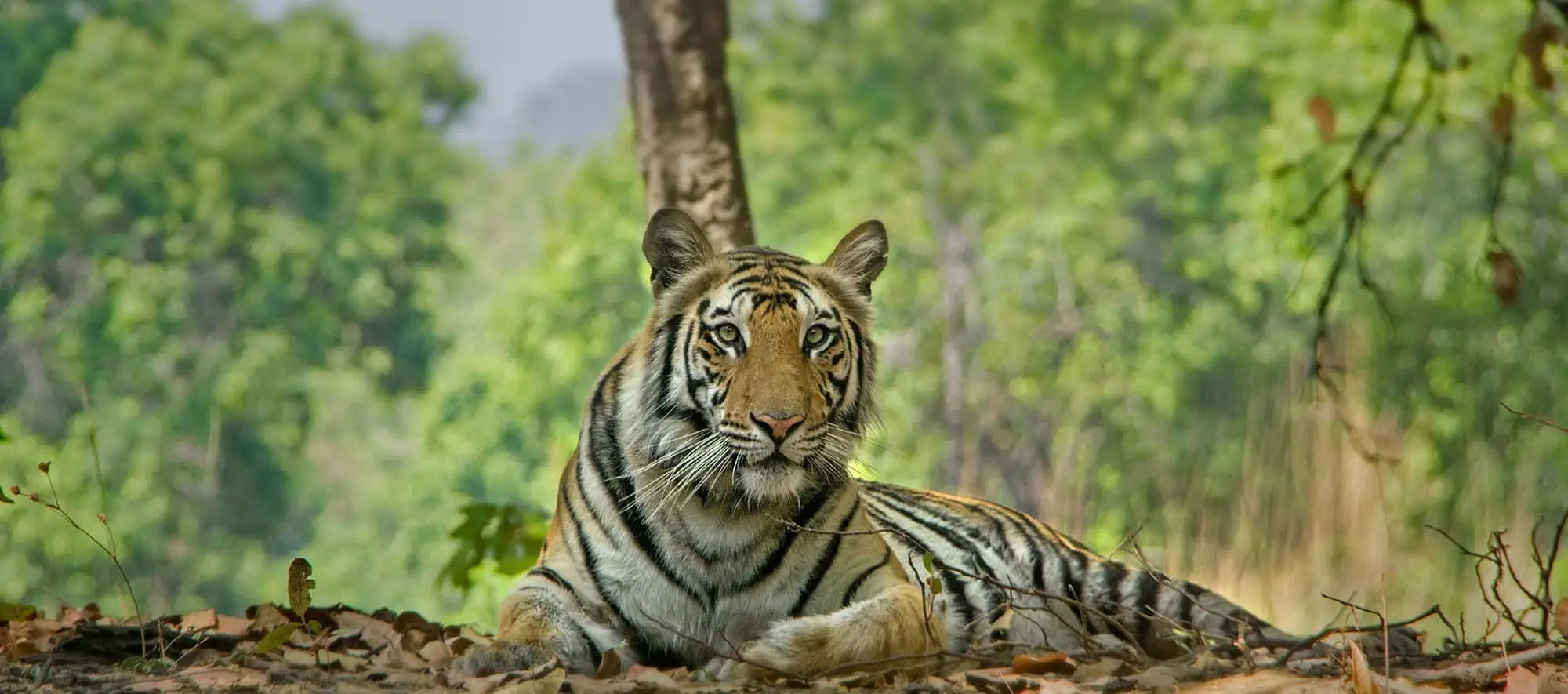
If you’re planning Bandhavgarh, your first real question is usually the same: which safari slot should I book, and what time do I actually need to be at the gate? Bandhavgarh runs two safaris most days—one in the morning and one in the afternoon/evening—and the exact entry timings shift with the season (because sunrise/sunset changes).
This guide explains the current slot logic, a practical seasonal timing chart, reporting time, how gates/zones affect your schedule, and how to book online without mistakes. I’ll keep it beginner-friendly and honest.
Quick Answer
- Two safari shifts: Morning and Afternoon/Evening (timings change by season).
- Safari duration: Usually ~3.5 to 4 hours inside the forest (varies by rules and season).
- Reporting time: Plan to reach the gate 45–60 minutes before the slot start for ID checks, guide allocation, and vehicle formalities.
- Best slot for wildlife activity: Morning is usually cooler and more active; afternoon can be great near water in hotter months.
- Best slot for photography: Morning for clean light; late afternoon for warmer “golden” light (depends on dust and haze).
- Booking method: Online permits are issued through the official Madhya Pradesh forest booking system. Always verify timings shown on your permit.
- Reality check: Timings, zones, and fees can change—your permit is the final authority for the exact entry time.
Bandhavgarh safari timings: what “morning” and “evening” really mean
In Bandhavgarh, “morning safari” doesn’t mean one fixed time all year. The forest department adjusts the start/end time as daylight changes.
That’s why you’ll see slightly different times in different months.
Here’s the most practical way to think about it:
- Morning slot starts near sunrise and runs into mid-morning.
- Afternoon/evening slot starts mid-afternoon and ends near sunset.
Most travelers make mistakes because they plan their hotel pickup like a city tour. In wildlife parks, the gate process (IDs, guide, vehicle) matters.
So instead of memorizing a single number, plan using this rule:
- Gate arrival: 45–60 minutes before slot time
- Buffer for peak season: 60–75 minutes before slot time
Season-wise timing chart
The following ranges are a practical baseline used across many MP tiger reserves. Your exact timing will be printed on the permit for your date.
Typical winter timings (roughly Oct to Feb)
- Morning: around 6:30 AM to 10:30 AM
- Afternoon: around 2:30 PM to 5:30 PM
Typical spring timings (roughly Mar to Apr)
- Morning: around 6:00 AM to 10:00 AM
- Afternoon: around 3:00 PM to 6:00 PM
Typical summer timings (roughly May to Jun)
- Morning: around 5:30 AM to 9:30 AM
- Afternoon: around 3:30 PM to 6:30 PM
Important: these times are not a promise. They are the “planning range.” The official booking portal shows the live timings for your date and zone, and your permit confirms it.
Morning vs evening: which slot should you actually book?
People love debating this, but the truth is simple: both can be great. The best choice depends on season, your comfort level, and your goal (tiger focus vs general wildlife vs photography).
If you want the “safest bet” as a first-timer
Book one morning + one afternoon (two safaris total). That gives you different light, different animal activity patterns, and a much better chance of seeing varied species.
If you can do only one, choose morning for comfort and activity.
If you’re visiting in peak summer
Morning can feel intense because the wake-up is very early, but it’s still the most comfortable forest time.
Afternoon in May/June can be hot, yet it can also be productive around water bodies and shade zones, especially in the later part of the drive.
If photography is your priority
- Morning: cleaner air, softer early light, often better for sharpness.
- Afternoon: warmer light near sunset; can be excellent for dramatic frames if dust is manageable.
If you’re building your kit and planning shots, you’ll also like this guide on wildlife photography tour planning in India for real safari conditions.
Zones and gates: how they affect your timing and routine
In Bandhavgarh, the zone you get influences your exact routine because different entry points have different approaches and crowd patterns.
Most travelers hear the famous names—Tala, Magadhi, Khitauli—and assume “zone = better tiger.” That’s not always true.
Here’s what zones practically change for you:
- Gate reporting: some gates get busy earlier because they are the main entry for many hotels.
- Drive time to entry: the road time from your stay to the gate can be 10 minutes… or 45 minutes.
- Safari start experience: if you arrive late, you may feel rushed right from the beginning.
So when you choose your hotel, choose it around your likely gate. If you’re new to Indian parks, read a first-time visitor’s guide to Indian national parks and safari basics
before locking your stay.
How early should you reach the Bandhavgarh gate?
This is the part most people underestimate. A safari is not like a museum entry. The gate process usually includes:
- matching your name and ID to the permit
- vehicle allocation (private/shared depending on what you booked)
- forest guide assignment (mandatory in most parks)
- final instructions and queue movement
A realistic, stress-free plan:
- Morning safari: reach the gate 45–60 minutes before the entry time printed on your permit
- Afternoon safari: reach the gate 45–60 minutes before permit time (traffic near gates can still happen)
- Peak weekends/holidays: add 15 minutes
And yes—winter mornings in Bandhavgarh can feel cold in an open gypsy. If you want a simple packing mindset, this article helps: how to plan your first wildlife safari in India step by step (with practical packing logic).
How to book Bandhavgarh safari permits online
Bandhavgarh is in Madhya Pradesh, and online permits are issued through the state’s official forest booking system (MPOnline forest portal).
What matters for you is this: your permit will show the exact slot time, plus the gate/zone, and the ID details of every visitor.
A clean, mistake-proof booking workflow:
- Decide your travel dates first (don’t book safaris before confirming hotel nights).
- Choose number of safaris: for first-timers, 2 safaris is a smart minimum if time allows.
- Pick the shift: morning, afternoon, or both.
- Enter names exactly as per ID (no spelling shortcuts). This is a top cause of permit issues.
- Use valid photo ID for every person (passport for foreigners is safest; for Indian travelers, government photo ID).
- Pay and download the permit. Save a PDF and keep an offline copy on your phone.
- Re-check the permit: date, shift, gate, names, and the exact reporting/entry time printed.
If you’re planning a tiger-focused circuit, it helps to compare parks and seasons using: the month-by-month guide to the best time for wildlife safaris in India.
Fees: what you pay for in a Bandhavgarh safari
Fees can feel confusing because your final amount is usually a combination of multiple components, and it can vary by:
zone, season, vehicle type, nationality category, guide charges, and portal/service fees.
Instead of giving you one number that might be outdated, here’s a practical fee map so you know what you’re paying for:
- Entry permit fee (per vehicle or per person depending on structure)
- Vehicle fee (gypsy/jeep; shared vs private)
- Guide fee (often mandatory)
- Camera fee (sometimes applicable depending on rules and gear)
- Online booking/processing fee (portal or service charge)
Your best “accuracy method” is simple: check the final payable amount shown in the official portal at the time of booking,
and keep a screenshot before payment.
If you’re still deciding whether Bandhavgarh is right for your trip style, start here: Bandhavgarh National Park travel overview for safari planning.
How to reach Bandhavgarh
Most travelers reach Bandhavgarh via Umaria or Katni railheads, or by road from nearby cities.
The exact best route depends on where you’re coming from (Delhi, Varanasi, Khajuraho, Jabalpur, etc.).
- By train: nearest common railheads are usually Umaria and Katni.
- By road: road transfers are common from railheads and nearby airports/cities.
- By air: travelers often connect via regional airports and then drive (routes vary seasonally).
The biggest timing tip: plan to arrive a day before your first morning safari. Long transfers + early wake-up can ruin the first drive if you land late.
What to carry (based on the slot)
This is a short list that prevents 90% of discomfort:
For morning safaris
- layers (especially Oct–Feb)
- cap/beanie + light gloves in winter
- dust protection (buff/scarf)
- water bottle (keep it simple; no messy food)
For afternoon safaris
- cap + sunscreen (especially Mar–Jun)
- water + electrolytes in hot months
- light jacket for the last 30–40 minutes in cooler months
For a deep tiger-safari mindset (expectations, how sightings work, how to avoid disappointment), this is the most useful read:
the ultimate guide to tiger safaris in India (realistic, park-tested).
Common mistakes that mess up your safari timing
- Arriving “just on time” and then losing the first 30 minutes in queues.
- Wrong ID details (name mismatch or incorrect document type).
- Booking a morning safari on the same day you arrive after a long train/road transfer.
- Not planning gate distance from your hotel (10 km can still take time on rural roads).
- Overpacking and spending the first hour adjusting bags instead of watching the forest.
FAQs:
What is the best time slot for tiger sightings in Bandhavgarh?
There is no guaranteed “best,” but morning safaris often feel more active and comfortable. In hotter months, late afternoon can also be productive near water and shade.
How long is one safari in Bandhavgarh?
Typically around 3.5–4 hours inside the forest, depending on the season and the rules for your date and zone.
Do timings change every month?
They can shift slightly as sunrise/sunset changes. Always rely on the slot time printed on your permit for your specific date.
How early should I reach the gate?
Plan to arrive 45–60 minutes before the permit entry time. Add extra buffer on weekends and holidays.
Can I do both morning and evening safaris on the same day?
Yes. Many travelers do two safaris in one day. Just plan rest and meals between slots because it can be tiring.
Are safaris available every day?
Usually yes during the open season, but parks may have maintenance closures or rule changes. Check the official booking calendar for your dates.
Is a guide compulsory?
In most tiger reserves, a forest guide is mandatory or included as part of the regulated safari system. Your permit/booking details will clarify it.
What’s better for a first trip: Bandhavgarh or another park?
Bandhavgarh is a strong choice for tiger-focused trips. If you want a broader comparison and season planning, use a month-by-month planning guide before deciding.
Should I choose a private gypsy or shared?
Private is more comfortable and flexible for photography; shared can reduce cost. The best choice depends on budget and whether you care about seat position.
Where should I start if I’ve never done an Indian safari before?
Start with a practical step-by-step planning guide so you understand permits, timing, what to carry, and realistic expectations.
If you want to plan Bandhavgarh without guesswork, start by choosing your season and then building your safari slots around your stay location. For more park-wise planning ideas, browse the Tusk Wildlife blog archive for Indian safari planning. And if you’re stitching multiple parks into one trip, it can help to explore tiger safari tour options in India just to compare routes, durations, and what usually works logistically.
