


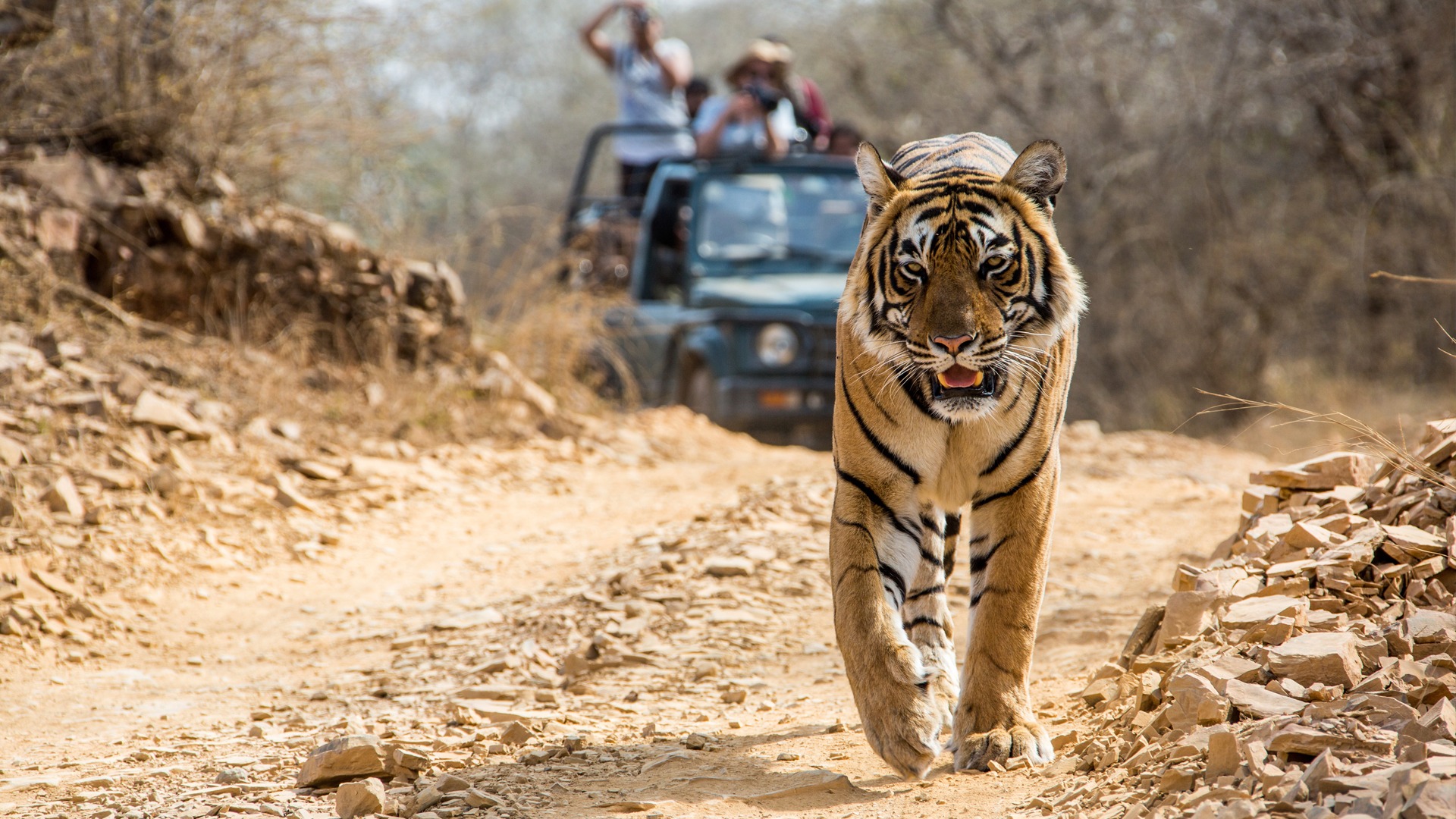
A tiger safari in India is one of the most exciting wildlife experiences anywhere in the world. But it’s also the kind of trip where planning matters a lot. Choose the right park, visit in the right season, book the right safari type, and you’ll dramatically improve your overall experience (and your chances of sightings).
This complete guide covers everything you need to know: the best tiger reserves, ideal months to visit, jeep vs canter safaris, permits and zones, what to wear and pack, practical tips to increase sightings, and how to choose the right itinerary. If you already know which style you want, you can also browse our curated Tiger Safari Tours in India or explore India Wildlife Tour Packages.
Why India is the best destination for tiger safaris
India is the global stronghold of wild tigers, supported by protected habitats and regulated tourism. Unlike open savannah safaris, tiger tracking in India is about reading the forest: alarm calls, pugmarks, scratch marks, water sources, and movement patterns. Every sighting feels earned, and the jungle experience itself becomes the highlight.
Another big advantage is variety. You can plan pure tiger-focused itineraries, luxury lodge safaris, short weekend trips, or mix wildlife with culture and heritage. For travelers who want comfort and expert support end-to-end, our Luxury Safari Tours are designed around smooth logistics, great naturalists, and the best safari timing.
Best National Parks in India for Tiger Safari
India has over 50 designated tiger reserves, but not all of them offer the same safari experience. Some parks stand out because of their habitat quality, forest management, guide expertise, safari zones, and consistent tiger movement patterns. Choosing the right park based on your travel style, time available, and expectations is far more important than simply picking the most famous name.
Below are the top national parks for tiger safari in India, explained in detail so you can clearly understand what makes each reserve special and who it is best suited for.
Ranthambore National Park (Rajasthan)
Ranthambore National Park is often the first choice for travelers planning their very first tiger safari in India. What sets Ranthambore apart is its open terrain, large lakes, and dramatic backdrop of ancient fort ruins. These features create excellent visibility and unique photographic opportunities where tigers are often seen walking along forest tracks, water bodies, or stone embankments.
Ranthambore is also one of the easiest parks to access, making it ideal for shorter trips or for travelers combining wildlife with cultural destinations like Jaipur or Agra. Safari zones vary in landscape and tiger movement, so doing multiple safaris across different zones significantly improves your experience.
- Best for: first-time tiger safari travelers, photographers, short and well-connected trips
- Sighting style: open landscapes, lakes, ruins, daytime movement
- Planning tip: plan at least 3–5 safaris to cover different zones and increase success
Bandhavgarh National Park (Madhya Pradesh)
Bandhavgarh National Park is widely regarded as one of the best tiger reserves in India for pure sighting potential. The park has a relatively compact core area and a long history of successful tiger conservation, which translates into frequent tiger movement within safari zones.
Bandhavgarh’s forest is denser than Ranthambore, but its high tiger density means that experienced guides are often able to track individual tigers through alarm calls and pugmarks. This park is especially popular with wildlife enthusiasts who are willing to do multiple safaris and spend time patiently tracking.
- Best for: tiger-focused travelers, serious wildlife enthusiasts, repeat safari visitors
- Sighting style: forest tracking, alarm-call based movement, close encounters
- Planning tip: 4–6 safaris are recommended, especially during peak season
Kanha National Park (Madhya Pradesh)
Kanha National Park is often considered one of the most beautiful national parks in India. Its vast meadows, rolling grasslands, sal forests, and excellent road network create a very comfortable and scenic safari experience. While tiger sightings are good, Kanha is equally rewarding for its overall wildlife diversity.
This park is ideal for travelers who want more than just tigers. Along with tigers, you may see barasingha (hard-ground swamp deer), wild dogs, leopards, gaur, and a wide range of birdlife. Kanha’s well-managed tourism infrastructure also makes it suitable for families and first-time international travelers.
- Best for: families, first-time international travelers, nature lovers
- Sighting style: meadow crossings, forest edges, balanced wildlife viewing
- Planning tip: mix tiger tracking with meadow safaris and birding-focused drives
Tadoba National Park (Maharashtra)
Tadoba National Park has rapidly gained a reputation as one of India’s strongest parks for tiger sightings. Its dry deciduous forest, open terrain, and frequent tiger movement near water sources make it particularly effective for sightings, especially during warmer months.
Tadoba feels less commercial than some older reserves, and sightings often happen along forest roads and water bodies. Because of this, it has become a favorite among repeat safari travelers and photographers who prioritize sightings over scenery.
- Best for: high sighting probability, experienced safari travelers
- Sighting style: open tracks, waterhole movement, summer visibility
- Planning tip: late summer months offer excellent chances due to concentrated water sources
Jim Corbett National Park (Uttarakhand)
Jim Corbett National Park is India’s oldest national park and offers a very different safari experience compared to central India reserves. The park is larger, greener, and more scenic, with riverbeds, grasslands, and forested hills.
Tiger sightings in Corbett can be more unpredictable, but the overall wildlife experience is rich and immersive. Corbett is also one of the best parks in India for birdlife and landscapes. The Dhikala zone, in particular, is famous for its expansive views and unique canter safari experience.
- Best for: nature lovers, birders, scenic forest safaris
- Sighting style: large landscapes, riverbeds, grasslands
- Planning tip: consider the iconic Canter Safari in Dhikala Zone for a unique experience
Panna National Park (Madhya Pradesh)
Panna National Park is one of India’s most inspiring conservation success stories. Once declared tiger-less, the park has seen a remarkable revival through a carefully managed reintroduction program. Today, Panna offers a calm and scenic safari experience along the Ken River, with forested hills, rocky gorges, and open grasslands.
Tiger sightings here may not be as frequent as in Bandhavgarh or Tadoba, but when they do happen, they feel especially rewarding. Panna is also excellent for birdlife, crocodiles, and landscape photography.
- Why add it: peaceful safaris, scenic river landscapes, conservation-focused experience
- Ideal for: travelers who enjoy quieter parks and slower-paced wildlife exploration
- Best combined with: Khajuraho or central India tiger circuits
Satpura National Park (Madhya Pradesh)
Satpura National Park offers one of the most diverse and unique safari experiences in India. Unlike most tiger reserves, Satpura allows activities beyond standard jeep safaris, including walking safaris, boat safaris, and canoeing in certain zones, making it a favorite among nature purists.
The park’s rugged terrain, dense forests, and low tourist density create a sense of true wilderness. While tiger sightings are more unpredictable, the overall experience is immersive and highly rewarding.
- Why add it: unique safari styles, low crowds, deep wilderness feel
- Ideal for: experienced safari travelers, photographers, slow-travel enthusiasts
- Best combined with: Kanha or Pench for a varied central India itinerary
Dudhwa National Park (Uttar Pradesh)
Dudhwa National Park is one of the most underrated wildlife destinations in northern India. Located near the Indo-Nepal border, Dudhwa is lush, raw, and far less commercial than many popular reserves. The park’s tall grasslands, wetlands, and sal forests create excellent habitat for tigers, swamp deer, rhinos (in nearby areas), and an impressive variety of birds.
Safari infrastructure is simpler, and sightings require patience, but this is part of Dudhwa’s charm. It’s ideal for travelers who value authenticity over predictability.
- Why add it: offbeat wilderness, rich birdlife, minimal crowds
- Ideal for: experienced wildlife travelers and nature photographers
- Best combined with: Corbett or north India wildlife routes
Sundarbans National Park (West Bengal)
Sundarbans National Park offers a completely different kind of tiger safari experience. This vast mangrove forest, spread across river channels and tidal creeks, is explored by boat rather than jeep. Tigers here are adapted to a semi-aquatic environment and are rarely seen openly, making sightings extremely rare but unforgettable.
The Sundarbans is less about guaranteed wildlife sightings and more about atmosphere, mystery, and experiencing one of the most unique ecosystems on Earth.
- Why add it: unique mangrove ecosystem, boat safaris, UNESCO-listed landscape
- Ideal for: adventurous travelers, nature lovers, those seeking something truly different
- Best combined with: cultural travel in eastern India or Kolkata
These parks are best viewed as enriching additions rather than replacements for classic tiger reserves. When planned thoughtfully, they add depth, variety, and a stronger sense of wilderness to your overall India wildlife safari experience.
Best time to go on a tiger safari in India
The best season depends on what matters most to you: sightings, weather comfort, photography, or a mix of everything. Here’s how to choose.
Summer (March to June): highest sighting chances
Summer is widely considered the best season for tiger sightings. Water sources shrink, and animal movement becomes easier to predict, especially around ponds and lakes. Visibility is often better because the forest is drier.
- Pros: strongest chance of sightings, better visibility
- Cons: heat can be intense in April and May
- Best parks: Tadoba, Bandhavgarh, Ranthambore
Winter (October to February): best weather and comfort
Winter is perfect for travelers who prefer pleasant weather and easy sightseeing. Mornings can be cold (especially in central and north India), but days are comfortable and photography light can be excellent.
- Pros: comfortable temperatures, great for families
- Cons: sightings can be slightly less predictable than peak summer
- Best parks: Kanha, Corbett, Ranthambore
Monsoon (July to September): most parks closed
Most parks close during monsoon to protect forest roads and allow regeneration. Some buffer areas may remain open in a few reserves, but monsoon is not ideal for a first-time tiger safari.
Types of safaris in India (jeep, canter, elephant and more)
Jeep safari
Jeep safaris are the most popular and flexible option. Smaller groups, better mobility, and more control over positioning make it ideal for photography and tracking.
Canter safari
Canters are larger shared vehicles. They are a good choice for budget travelers and certain parks. If Corbett is on your list, consider the Canter Safari in Dhikala Zone.
Elephant safari
Elephant safaris are limited and regulated. In some places, they are used in conservation operations rather than regular tourism. If this experience interests you, explore Elephant Safari Tours and choose ethical, responsible options.
How tiger safaris work in India (permits, zones, timings)
Most parks offer two safari slots daily: morning and afternoon. Entry is controlled via permits issued by forest departments. Each safari is assigned a specific zone and time slot, and you enter with an authorized driver and guide/naturalist.
- Morning safari: cooler temperatures and active wildlife movement
- Afternoon safari: great light for photography, good chances near water in summer
- Advance booking: essential during peak season and holidays
If you prefer a complete arrangement with permits, transfers, safaris, and stays bundled together, explore India Wildlife Packages.
How many safaris do you need to see a tiger?
There is no guaranteed tiger sighting anywhere in the wild, but your probability improves with more safaris and smart park choice.
- 2–3 safaris: reasonable chance if conditions are good
- 4–6 safaris: strong chance in proven parks
- 7+ safaris: best approach for tiger-focused trips
For travelers planning a multi-park itinerary, our Tiger Safari Tours often combine classic reserves in a way that reduces travel fatigue and increases overall success.
What to wear on a tiger safari in India
- Neutral colors: olive, beige, brown, grey
- Light layers for winter mornings (thermal + fleece + jacket)
- Closed shoes (dusty tracks are common)
- Sun cap, sunglasses, sunscreen
Avoid: bright colors, strong perfumes, loud accessories.
Tiger safari packing checklist
- Camera + spare batteries + memory cards
- Binoculars (very useful for distant sightings)
- ID proof used for permit booking
- Light backpack and reusable water bottle
- Basic medicines (motion sickness, allergies, fever, ORS)
Pro tips to increase your chances of tiger sightings
- Pick the right park for your goal: central India parks are often stronger for tiger-focused trips
- Do multiple safaris: don’t rely on a single drive
- Listen to your guide: alarm calls and forest cues matter
- Stay quiet and patient: the jungle rewards calm travelers
- Avoid weekend rush: when possible, choose weekdays for a smoother experience
If you’re building a wildlife trip around a short break, browse Weekend Tours in India for quick, well-timed getaways.
Costs of tiger safari in India (without showing prices)
Tiger safari costs vary based on the park, season, safari permits, vehicle type (shared vs private), and accommodation style. Budget safaris focus on clean stays and shared safaris. Premium safaris emphasize private jeeps, experienced naturalists, and high-comfort lodges.
If comfort is a priority, check Luxury Safari Tours. If your focus is photography, explore Photography Tours for wildlife-friendly pacing and guidance.
Responsible tiger safari rules (do’s and don’ts)
- Keep voices low and avoid sudden movements
- Never pressure drivers to break rules or go off-route
- Do not litter (even a small wrapper matters)
- Avoid flash photography
- Respect space: sightings are better when animals remain calm
Responsible tourism supports conservation and helps parks stay healthy for future generations.
Suggested itineraries for tiger safari in India
Option 1: First-time tiger safari (easy and iconic)
- Ranthambore (3–5 safaris)
- Add culture: Taj Mahal + Agra (combine with wildlife)
- Related idea: 6 Days Taj with Tiger Tour
Option 2: Central India tiger circuit (best for sightings)
- Kanha + Bandhavgarh (6–10 safaris total)
- For a guided circuit concept: Central India Tigers + Golden Triangle Tour
Option 3: Wildlife + birding add-on
- Choose one tiger reserve + a dedicated birding extension
- Explore Bird Watching Tours
Frequently asked questions (FAQs)
Which national park is best for tiger safari in India?
For first-timers, Ranthambore is a popular choice. For tiger-focused trips, Bandhavgarh and Tadoba are often preferred.
Are tiger sightings guaranteed in India?
No. Tigers are wild animals and sightings are never guaranteed. You can improve your chances by choosing proven parks, booking multiple safaris, and traveling in strong seasons.
What is the best month for tiger safari in India?
For sightings, March to June is strong in many parks. For comfort, October to February is ideal. Your best month depends on your priority: sightings vs weather.
Is tiger safari safe for families?
Yes. Safaris are regulated and conducted in approved vehicles with licensed drivers and guides. Families should choose parks with comfortable stays and plan fewer early mornings for kids.
How far in advance should I book a tiger safari?
In peak season and holidays, it’s smart to book 2–3 months in advance, especially if you want specific zones, private jeeps, or a preferred lodge category.
Final thoughts
A tiger safari in India is not only about spotting the tiger. It’s about the forest experience, the thrill of tracking, and the quiet moments when the jungle reveals itself. If you want the best experience, plan with realistic expectations, choose the right reserve for your travel style, and give yourself enough safaris to let the magic happen.
Ready to plan? Explore Tiger Safari Tours in India, browse India Wildlife Tour Packages, or reach out via the Contact page for a personalized itinerary.
