


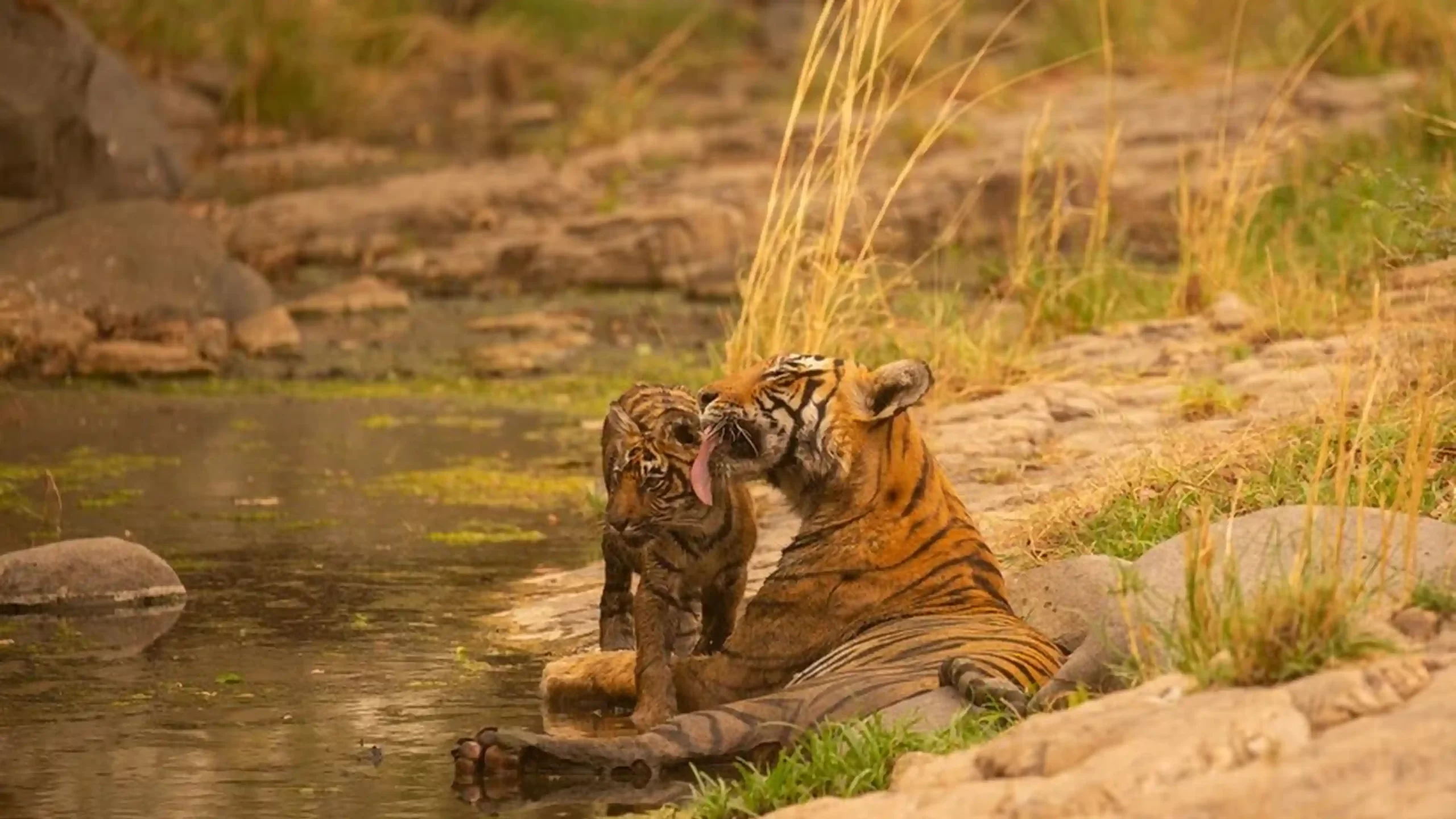
Planning your first wildlife safari in India can feel confusing at the start. There are many national parks, multiple safari zones, different seasons, permits that sell out, and dozens of hotel options ranging from simple to luxury. The good news is this: once you understand the basics, safari planning becomes easy and even fun.
This step-by-step guide is written for first-time travelers (both Indian and international). It explains exactly how to choose the right park, the best time to visit, how many safaris you need, what to book first, what to pack, and how to avoid common mistakes. If you want curated options, you can also explore our India Wildlife Safaris or browse India Wildlife Tour Packages.
Helpful planning links: Tiger Safari Tours | Luxury Safari Tours | Weekend Tours | Bird Watching Tours | Photography Tours
Step 1: Decide what you want from your safari (tigers, birds, landscapes, luxury, or everything)
The biggest planning mistake first-timers make is choosing a park before deciding their goal. India’s wildlife safaris can be very different depending on what you want to see and how you want to travel.
- If tigers are your #1 goal: focus on proven tiger reserves and plan multiple safaris. Start here: Tiger Safari Tours.
- If you want a comfortable, premium experience: prioritize private jeeps, great naturalists, and high-quality stays. Explore: Luxury Safari Tours.
- If birds and nature are your focus: plan for winter months and choose parks with wetlands/grasslands. See: Bird Watching Tours.
- If you want wildlife photography: timing and safari pace matters. Explore: Photography Tours.
- If you only have 2–3 days: choose an easy-to-reach park and plan fewer travel hours. Browse: Weekend Tours.
Once your goal is clear, picking the right park becomes much simpler.
Step 2: Choose the right national park (based on your goal and comfort level)
For first-time travelers, it’s best to choose a park with good safari infrastructure, reliable guiding, and comfortable access. Here are the most beginner-friendly choices, with quick direction on who they suit best:
Ranthambore National Park (Rajasthan) – best for first-time travelers
Ranthambore National Park is iconic, photogenic, and well connected. It’s a great first safari because visibility can be good, and you can easily combine it with Rajasthan travel.
- Ideal for: first safari, short trips, photography, easy logistics
- Plan: 3–5 safaris to improve your odds across zones
Kanha National Park (Madhya Pradesh) – best all-round safari experience
Kanha National Park is scenic, well managed, and excellent for overall wildlife. It’s a great park if you want tigers plus diverse animals and beautiful landscapes.
- Ideal for: families, first-time international travelers, nature lovers
- Plan: 4–6 safaris for a strong experience
Bandhavgarh National Park (Madhya Pradesh) – best for tiger-focused planning
Bandhavgarh National Park is a favorite for tiger lovers because the park has a strong sighting reputation and a compact core area.
- Ideal for: tiger-focused travelers
- Plan: 4–6 safaris, preferably over 2–3 nights
Jim Corbett National Park (Uttarakhand) – best for scenery + birds
Jim Corbett National Park is perfect if you want forest landscapes, birds, and a classic national park vibe. For a special experience, consider the Canter Safari in Dhikala Zone.
- Ideal for: nature lovers, birders, scenic drives
- Plan: 2–4 safaris, plus a relaxed pace
If you want a pre-built itinerary that matches your days and travel style, browse India Wildlife Packages.
Step 3: Pick the best time to visit (don’t guess this part)
Your safari month affects everything: weather, comfort, crowd levels, animal behavior, and visibility. For first-time travelers, these are the simplest rules to follow:
- November to February: best weather, great for first-timers and families
- March to June: best wildlife visibility and often stronger tiger sightings (hotter)
- July to September: many parks close in monsoon (limited access)
If you want a complete month-by-month breakdown, read: Best Time to Visit Indian National Parks (or keep this article open and plan your steps below).
Step 4: Decide how many safari drives you need (this is where sightings improve)
Wildlife sightings are never guaranteed. A tiger is not a show animal. The best way to improve your odds is simple: do multiple safari drives.
- 1 safari: exciting, but low probability for first-timers
- 2–3 safaris: good short-trip plan
- 4–6 safaris: strong plan for tiger-focused travel
- 7+ safaris: ideal if you want very high overall probability
If your goal is tigers, consider a dedicated itinerary from our Tiger Safari Tours collection, built around the right number of drives and the best timing.
Step 5: Understand safari types (jeep vs canter) and choose what fits you
Jeep safari (best for first-timers)
Jeep safaris are the standard experience in most parks. They carry fewer passengers and allow better flexibility on forest tracks, which can help with positioning during sightings and photography.
Canter safari (bigger shared vehicle)
Canter safaris are larger vehicles and are usually budget-friendly. They can be a good option in some parks, and they’re especially known in Corbett’s Dhikala area via the Canter Safari in Dhikala Zone.
For most first-timers, a jeep safari is the easiest and most rewarding option.
Step 6: Book in the right order (permits first, then stay, then transfers)
This is the safest way to plan your first safari trip:
- Choose park + dates (based on season and your time available)
- Check permit availability for preferred safari zones and time slots
- Book stays near the gate/zone that suits your safari entry
- Arrange transfers from the nearest airport/railhead
- Lock your safari schedule (morning/afternoon drives)
If you don’t want to manage these moving parts, it’s easier to book a packaged safari where permits, stays, and transfers are arranged together. Start here: India Wildlife Tour Packages.
Step 7: Plan where to stay (location matters more than luxury)
On safari trips, location can matter more than star rating. If your lodge is far from the park gate, you’ll spend more time on the road and less time inside the forest. For first-timers, choose a stay that:
- Is close to your main safari gate/zone
- Has a reputation for clean rooms and reliable service
- Offers early breakfast or packed meals for morning safaris
- Can coordinate safari timings smoothly
If you want premium stays, private jeeps, and expert guiding, explore Luxury Safari Tours.
Step 8: Pack smart (what to wear and carry for Indian jungles)
What to wear
- Neutral colors: olive, beige, brown, grey
- Layers in winter (mornings are cold)
- Light breathable clothing in summer
- Closed shoes (dust and uneven ground)
What to carry
- Government ID used for permits
- Binoculars (huge advantage for first-timers)
- Camera + spare batteries + memory cards
- Sun protection: cap, sunglasses, sunscreen
- Basic medicines + water bottle
If photography is a priority, consider a dedicated plan with Photography Tours.
Step 9: Safari day routine (what a typical day looks like)
Most national parks offer two safari windows:
- Morning safari: cooler, active wildlife, early start
- Afternoon safari: great light for photography, good sightings near water in summer
On a good safari schedule, you’ll rest between drives and keep your energy up. Don’t try to “overpack” your day with long road travel plus both safaris unless your itinerary is built for it.
Step 10: Tips to increase wildlife sightings (simple, realistic, and ethical)
- Do multiple safaris: the easiest way to improve success
- Listen to your naturalist: alarm calls and forest signs matter
- Stay quiet: noise reduces chances
- Be patient: sightings often happen after long quiet tracking
- Avoid weekend crowds: weekdays feel calmer
For travelers with limited time, you can also check Weekend Tours designed around smart safari timing.
Common mistakes first-time safari travelers should avoid
- Doing only one safari and expecting a guaranteed tiger sighting
- Choosing a park only because it’s famous, not because it fits your goal
- Not booking permits early for peak season
- Staying too far from the gate and wasting time on transfers
- Wearing bright colors or carrying strong perfume into the forest
- Overplanning long drives on safari days and arriving exhausted
Recommended first-time safari itineraries (simple and effective)
Option A: First-time tiger safari + iconic India experience (easy logistics)
- 2–3 nights in Ranthambore
- 3–5 safaris depending on your trip length
- Add Taj Mahal + Agra as a classic combination
- Related package: 6 Days Taj with Tiger Tour
Option B: Central India tiger-focused plan (best for sightings)
- 2–3 nights in Kanha
- 2–3 nights in Bandhavgarh
- 6–10 safaris total for strong overall probability
- Related idea: Central India Tigers + Golden Triangle Tour
Option C: Scenic wildlife + birds (relaxed pace)
- 2–3 nights in Jim Corbett
- Try Dhikala canter experience: Canter Safari in Dhikala Zone
- Add a dedicated birding extension: Bird Watching Tours
FAQs: Planning your first wildlife safari in India
How many days do I need for my first safari in India?
For a meaningful first safari, plan at least 3 nights (so you can do multiple drives). If you want a high chance of tiger sightings, 4–5 nights is better.
Is a tiger sighting guaranteed?
No. Tigers are wild and sightings can never be guaranteed. Your chances improve with the right season, the right park, and multiple safaris.
What is the best park for a first-time tiger safari?
For easy logistics and a classic safari feel, Ranthambore is a popular choice. For a balanced safari with scenic beauty, Kanha works very well.
Should I book a package or plan independently?
If this is your first safari, a package is often easier because permits, stays, and transfers are coordinated properly. Browse: India Wildlife Packages.
What should I pack for a safari?
Carry neutral clothing, layers (winter), sun protection (summer), ID for permits, binoculars, and basic medicines. Keep it light and practical.
Final thoughts
Your first wildlife safari in India should feel exciting, not stressful. Start with a clear goal, choose the right park, travel in a suitable season, and plan enough safari drives. Once those basics are in place, everything else becomes smooth.
If you want a curated plan that matches your days, comfort level, and wildlife goals, explore India Wildlife Safaris, browse India Wildlife Tour Packages, or reach out via Contact.
