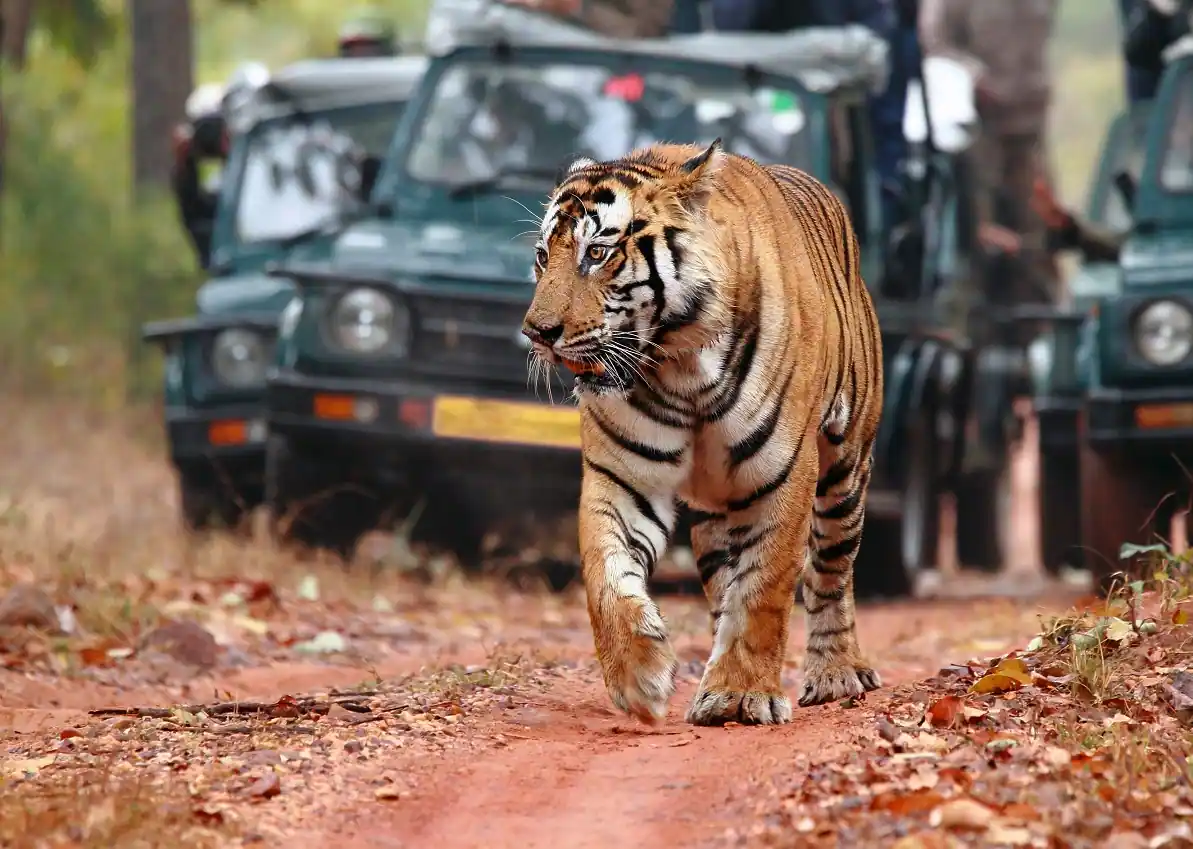

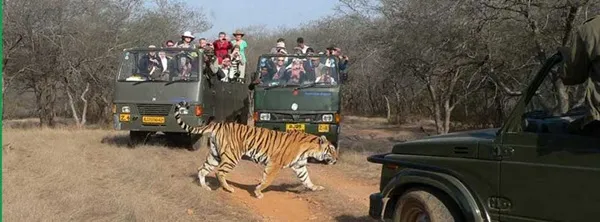
Safaris are conducted twice a day: the morning safari starts around 6:30 AM and the evening safari begins around 2:30 PM. Timings may vary slightly depending on the season.

Ranthambore National Park
- Sawai Madhopur District, Rajasthan, India
About Ranthambore National Park
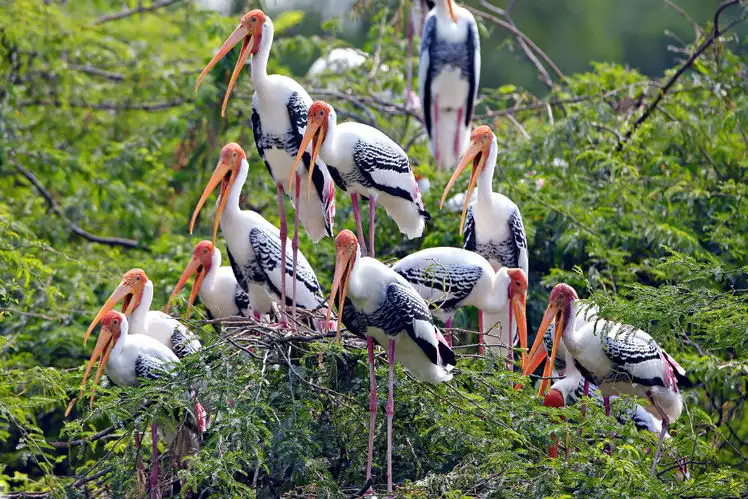
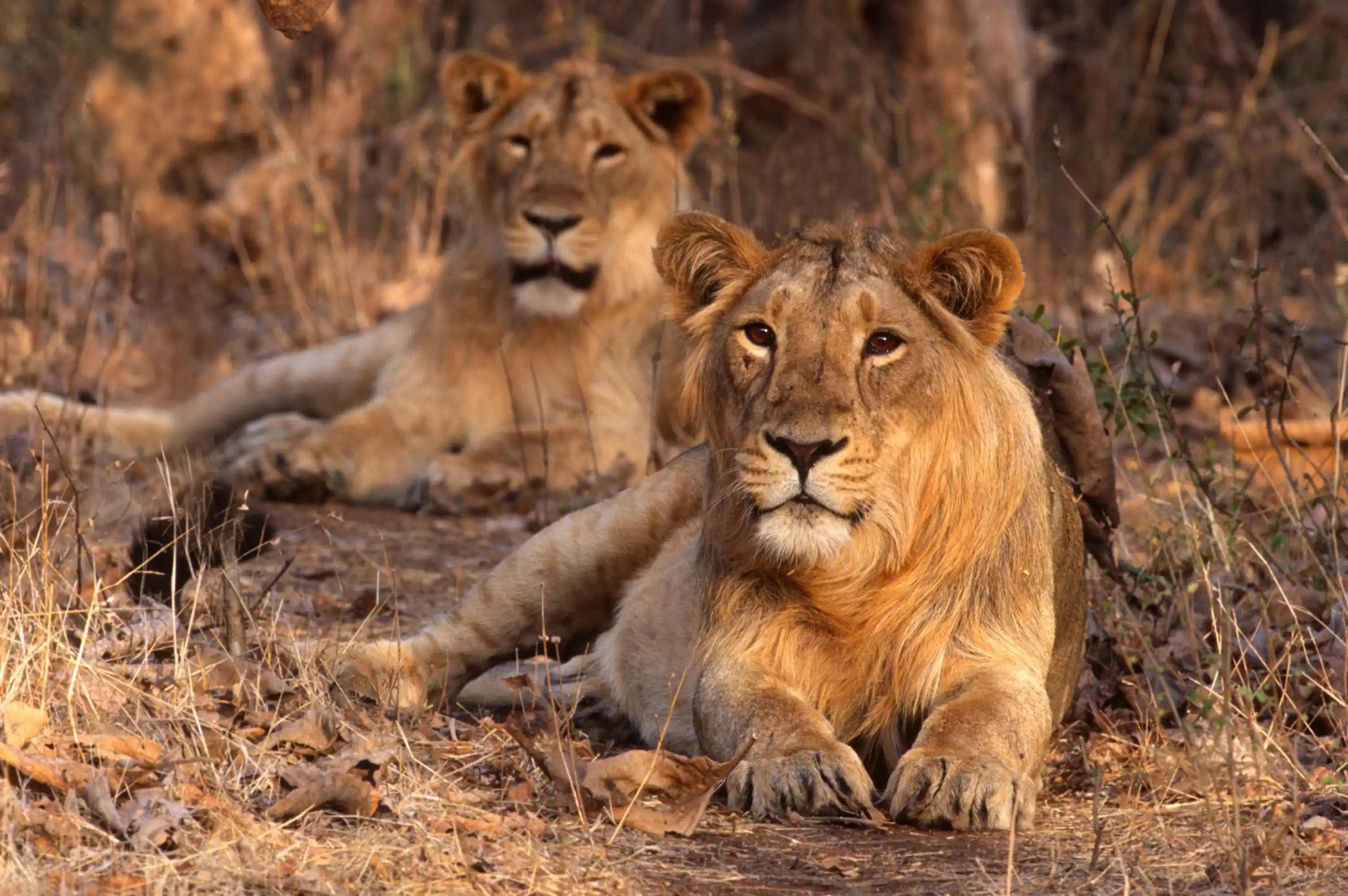
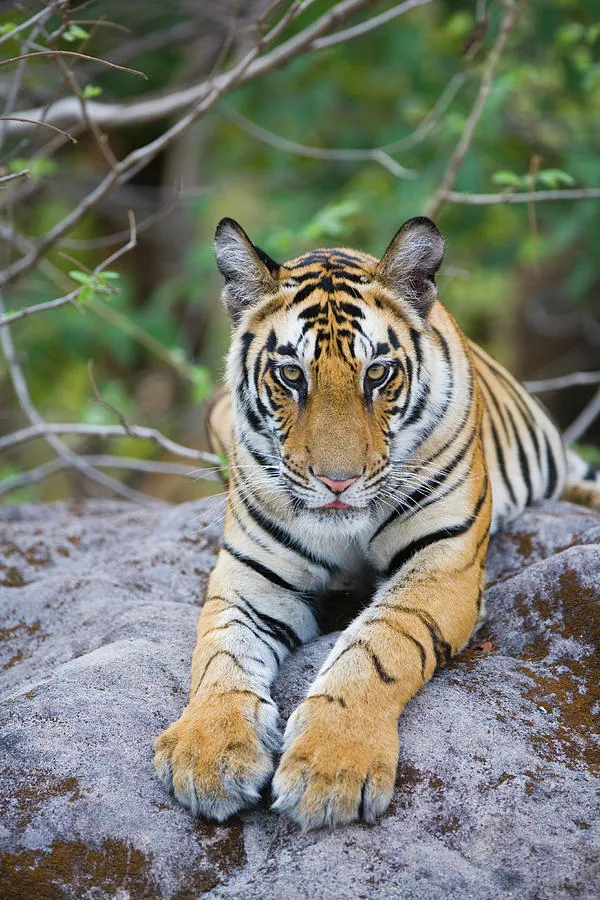
Ranthambore National Park, situated in the Sawai Madhopur district of Rajasthan, India, is one of the most prominent wildlife sanctuaries in the country. Covering an area of 1,334 square kilometers, the park is famous for its Bengal tigers, often seen in their natural habitat. Beyond tigers, it boasts a diverse array of wildlife, including leopards, deer, and numerous bird species. The park is also home to the historic Ranthambore Fort, adding a rich cultural and historical dimension to the natural
Most Popular Tours
 05N / 06D
 2N / 3D
 3N / 4D
 09N / 10D
Delhi – Ranthambore – Bharatpur – Agra
– Delhi
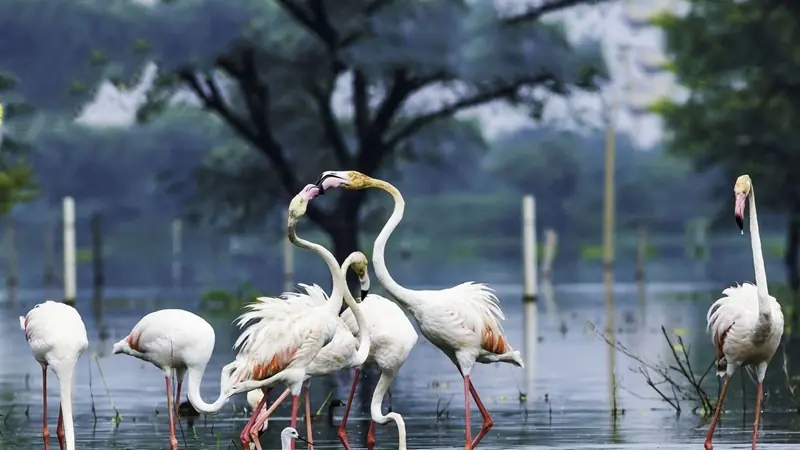
Ranthambore, Bharatpur & Agra Birding and Wildlife Tour
 12N / 13D
Delhi → Varanasi → Agra → Ranthambore
→ Jaipur → Udaipur → Delhi
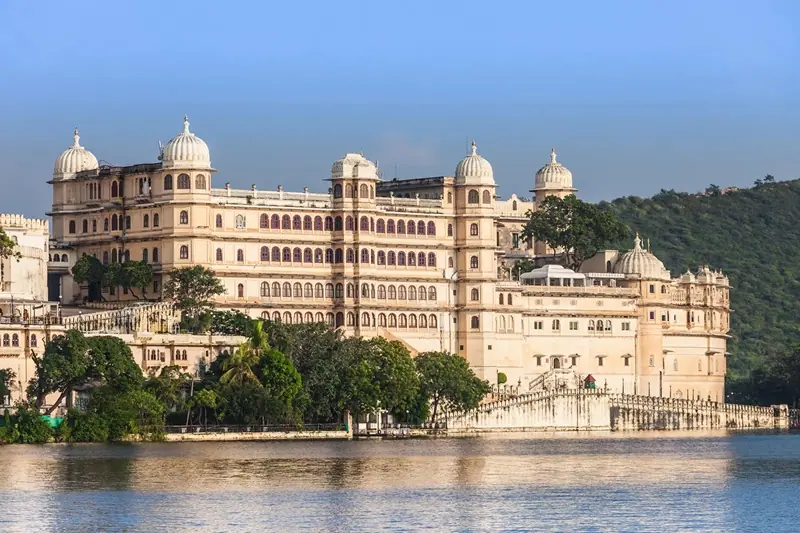
13-Day North India Explorer with Varanasi & Udaipur
 11N / 12D
Delhi → Jaipur → Bikaner → Jaisalmer →
Jodhpur → Udaipur → Ranthambore → Delhi
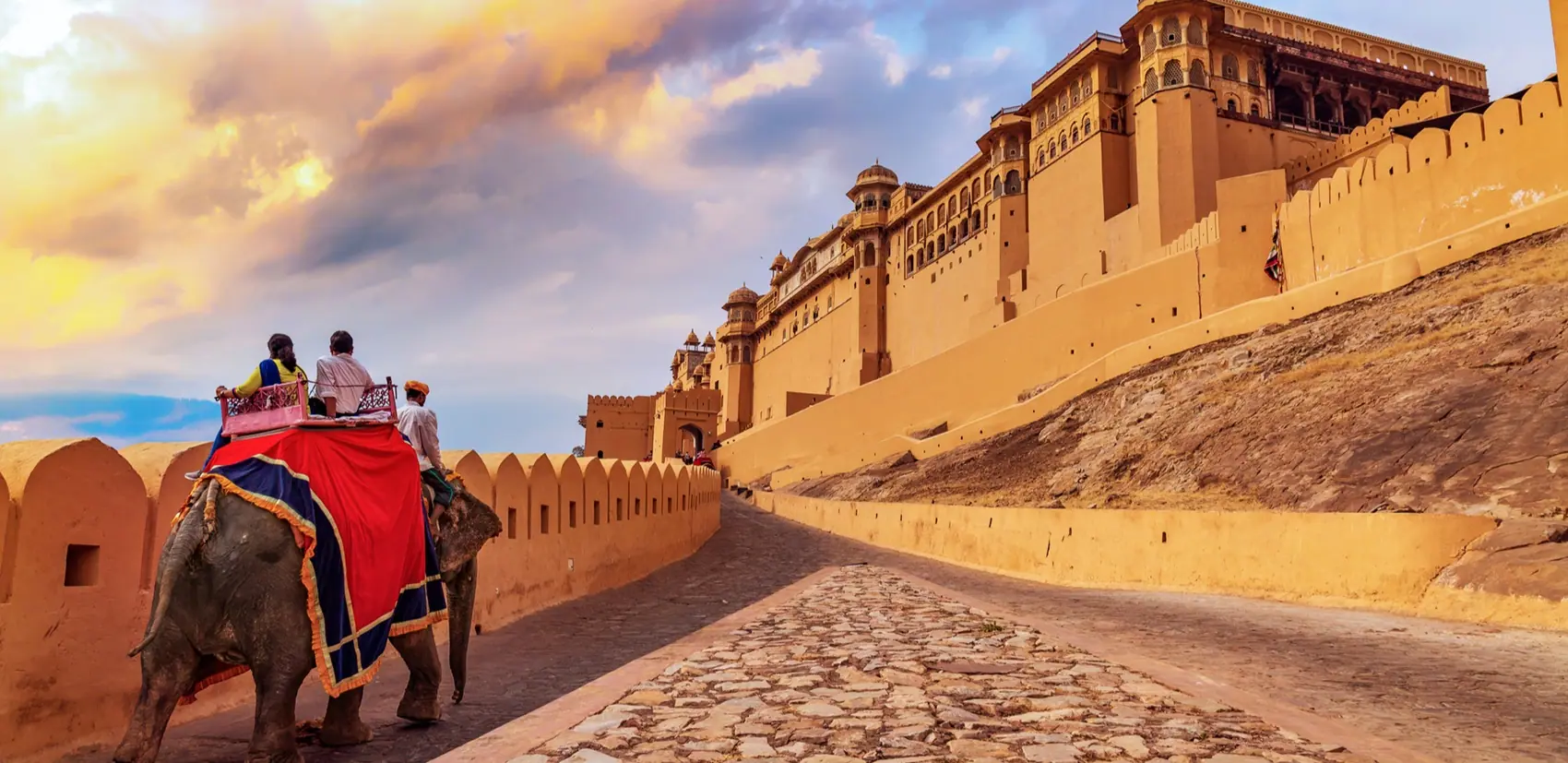
13-Day 12-Day Rajasthan Heritage & Wildlife Tour
Famous Tigers of Ranthambore
Popular Attractions To Visit in Ranthambore
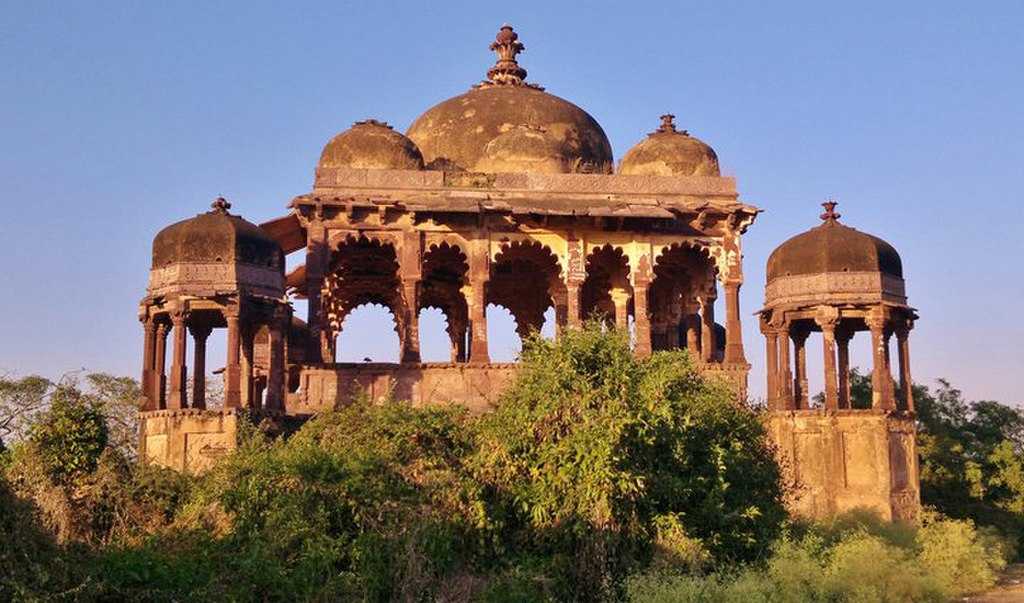
Ranthambore Fort
Ranthambore Fort, located in Rajasthan’s Ranthambore National Park, is a grand 10th-century fortress. Perched atop a hill, it offers stunning panoramic views of the surrounding jungle. The fort, rich in history and ancient architecture, serves as a reminder of the region's royal past and its strategic significance.
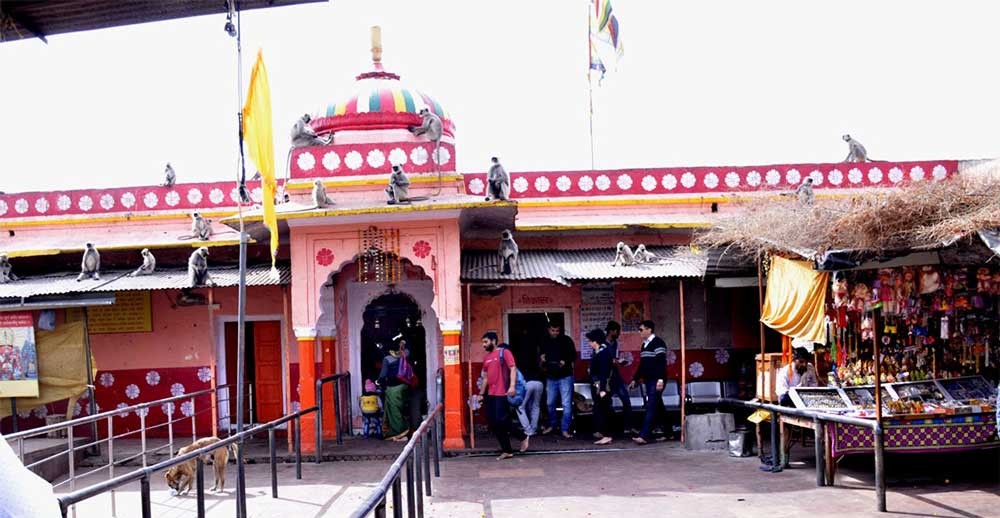
Trinetra Ganesh Temple
The Trinetra Ganesh Temple, located within Ranthambore Fort in Rajasthan, is one of the oldest and most revered temples dedicated to Lord Ganesha. Known for its unique three-eyed idol, the temple attracts thousands of devotees who come to seek blessings, especially during the annual Ganesh Chaturthi festival.
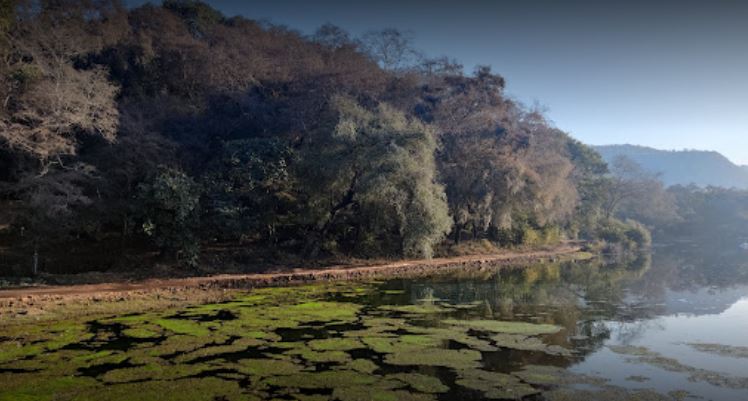
Kachida Valley
Kachida Valley, located on the outskirts of Ranthambore National Park, is a picturesque area known for its rugged landscape and dense vegetation. The valley is a popular spot for spotting leopards, sloth bears, and other wildlife. Its scenic beauty and relatively fewer tourists make it a serene destination for nature lovers and wildlife photographers.
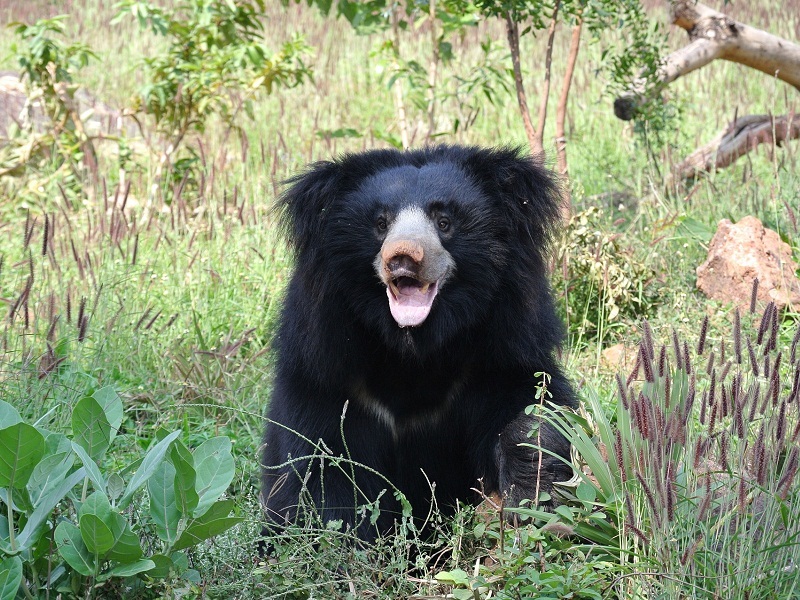
Lakarda and Anantpura
Lakarda and Anantpura are regions within Ranthambore National Park, known for their diverse wildlife, including sloth bears and smaller predators like mongoose. These areas are rich in ant hills, which attract sloth bears, making them prime spots for wildlife enthusiasts seeking to observe these elusive creatures in their natural habitat. The serene environment and lesser tourist traffic add to the appeal for nature lovers and photographers.
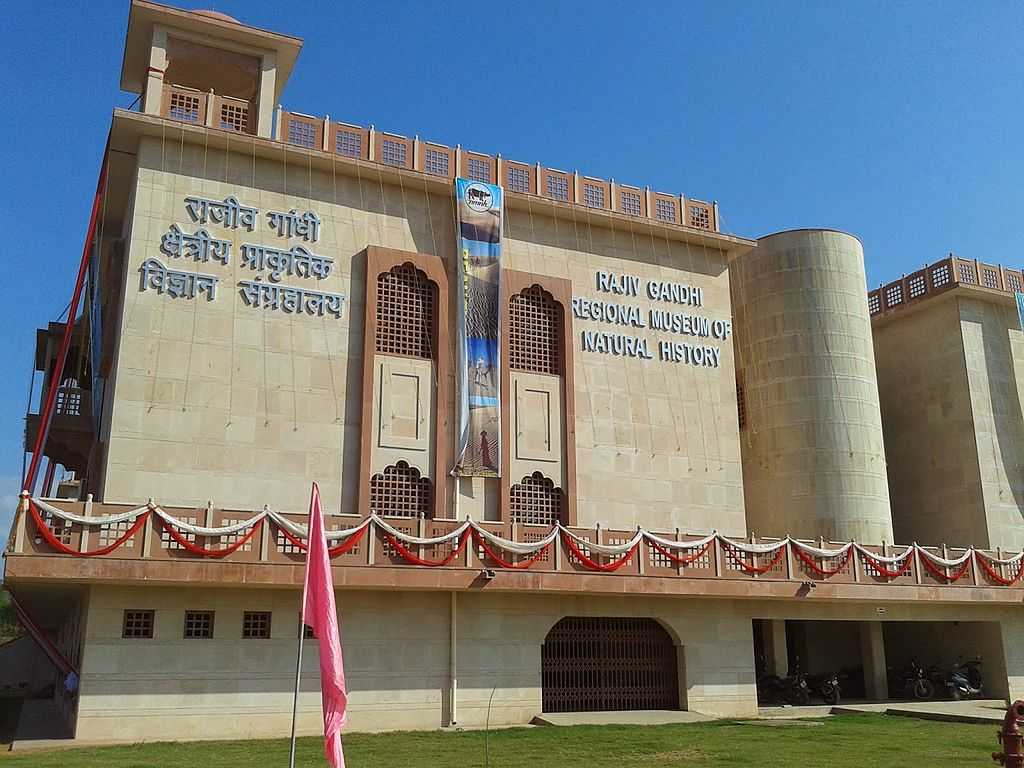
Rajiv Gandhi Regional Museum of Natural History
The Rajiv Gandhi Regional Museum, located in Sawai Madhopur, Rajasthan, showcases the rich cultural heritage of the region. It features a diverse collection of artifacts, including traditional crafts, historical items, and artworks. The museum aims to preserve and promote the area's history and artistic legacy, offering visitors an insightful glimpse into local heritage.
Frequently Asked Questions
-
What are the timings for safaris in Ranthambore National Park?
-
Can I bring food or snacks inside the park?
Visitors are not allowed to bring food or snacks into the park to maintain cleanliness and avoid attracting wildlife. Water bottles are permitted but must be carried back out.
-
What should I wear during the safari?
Wear comfortable, neutral-colored clothing such as beige, green, or brown. Avoid bright colors. During winters, bring warm layers as mornings and evenings can be chilly.
-
Which zones are the best for wildlife sightings?
Zones 1 to 5 are considered best for tiger sightings, but every zone has unique terrain and wildlife. Sightings depend on animal movement and luck.
-
Is it safe to travel with children in Ranthambore?
Yes, safaris are safe for children provided they follow park rules such as remaining seated, staying quiet, and not feeding animals.
-
Are there any cultural or historical attractions near the park?
Yes, Ranthambore Fort is a UNESCO World Heritage Site located inside the park, offering panoramic views and historical significance.
-
What wildlife can I see besides tigers?
Ranthambore is home to leopards, sloth bears, marsh crocodiles, hyenas, chinkara, and many migratory and resident birds.
-
How can I improve my chances of spotting a tiger?
Summer months (April to June) offer better chances as tigers frequently visit water bodies. Choosing zones with recent sightings also improves chances.
-
Are private safaris available in Ranthambore?
Yes, private jeep safaris are available and are ideal for small groups seeking a more personalized wildlife experience.
-
What happens if I miss my scheduled safari?
Missed safaris are non-refundable as permits are issued for a specific time and zone. Visitors are advised to arrive at least 30 minutes early.
×