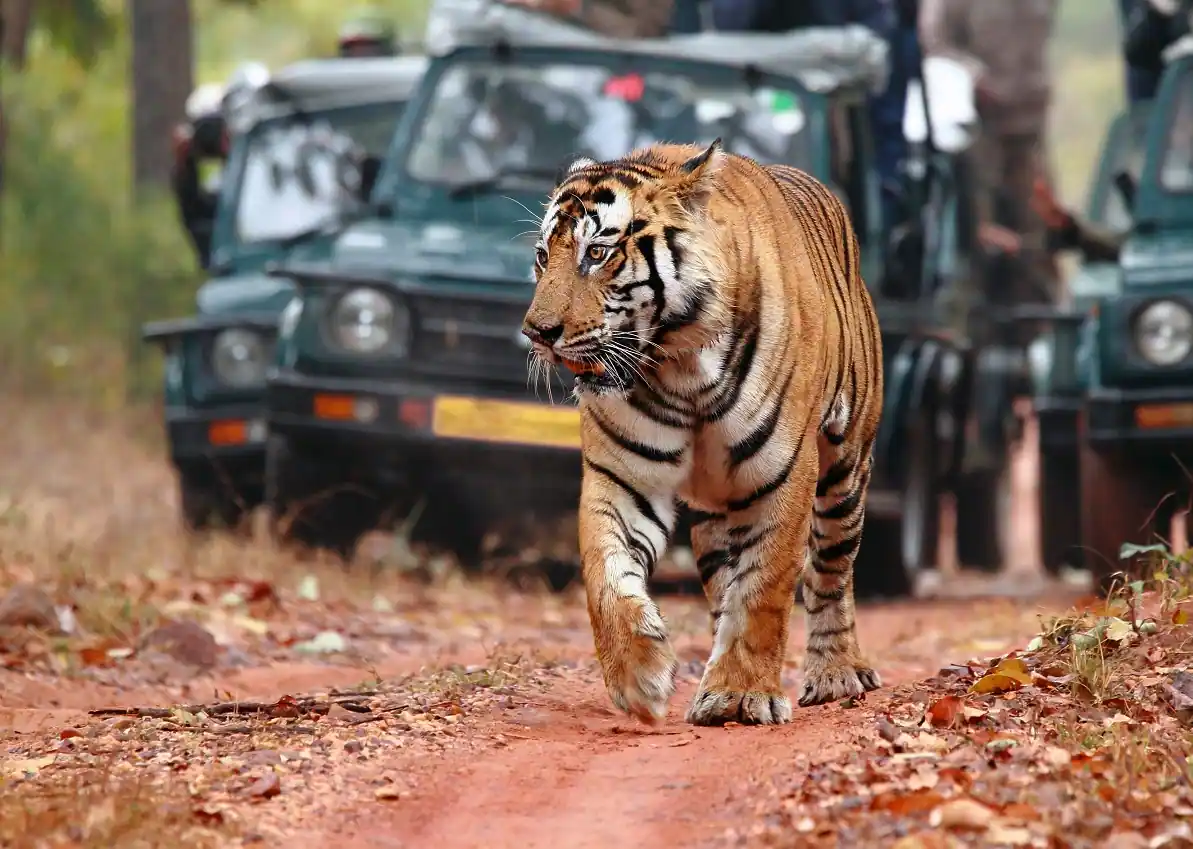




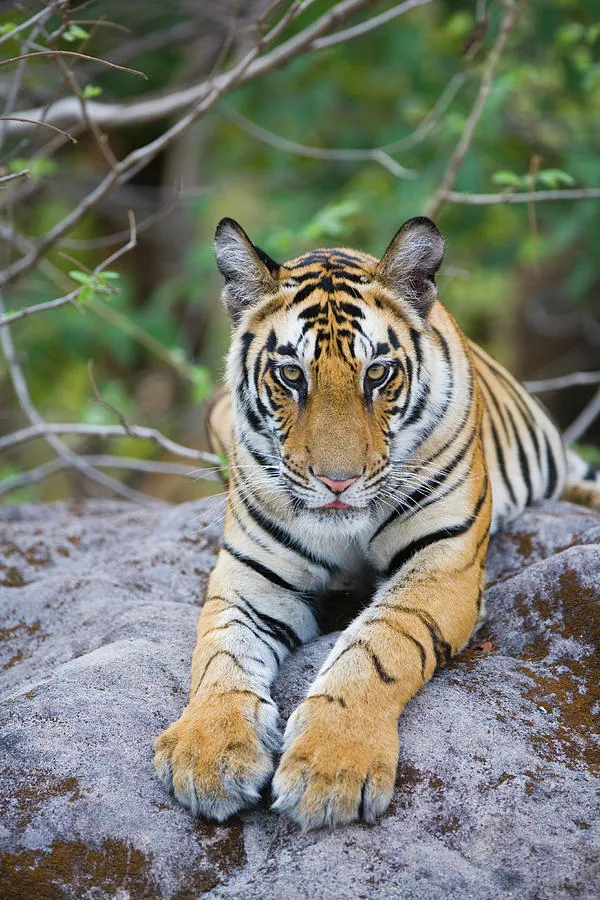
Sundarbans National Park, located in West Bengal, is a UNESCO World Heritage Site and part of the largest mangrove forest in the world. It is famous for its Royal Bengal Tigers, which have adapted to the mangrove habitat, and its network of tidal rivers, creeks, and islands.

Sundarbans National Park
- West Bengal, India, near Kolkata India
About Sundarbans National Park
Sundarbans National Park, located in the delta region of West Bengal, India, is a UNESCO World Heritage Site and one of the largest mangrove forests in the world. Spanning approximately 1,330 square kilometers, it is renowned for its population of the elusive Bengal tiger, as well as other wildlife such as saltwater crocodiles, spotted deer, and various bird species.
The park's dense mangroves and complex network of waterways create a unique and challenging environment for both its inhabitants and visitors. Sundarbans is not only a critical habitat for endangered species but also plays a vital role in protecting the region from coastal erosion and storms.
Most Popular Tours
 05N / 06D
 2N / 3D
 3N / 4D
 09N / 10D
Delhi – Ranthambore – Bharatpur – Agra
– Delhi
Ranthambore, Bharatpur & Agra Birding and Wildlife Tour
 12N / 13D
Delhi → Varanasi → Agra → Ranthambore
→ Jaipur → Udaipur → Delhi
13-Day North India Explorer with Varanasi & Udaipur
 11N / 12D
Delhi → Jaipur → Bikaner → Jaisalmer →
Jodhpur → Udaipur → Ranthambore → Delhi
13-Day 12-Day Rajasthan Heritage & Wildlife Tour
Famous Animals of Sundarbans
Popular Attractions To Visit in Dudhwa
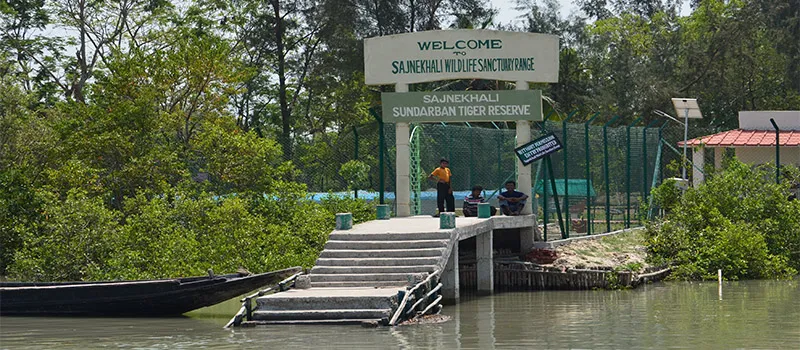
Sajnekhali Bird Sanctuary
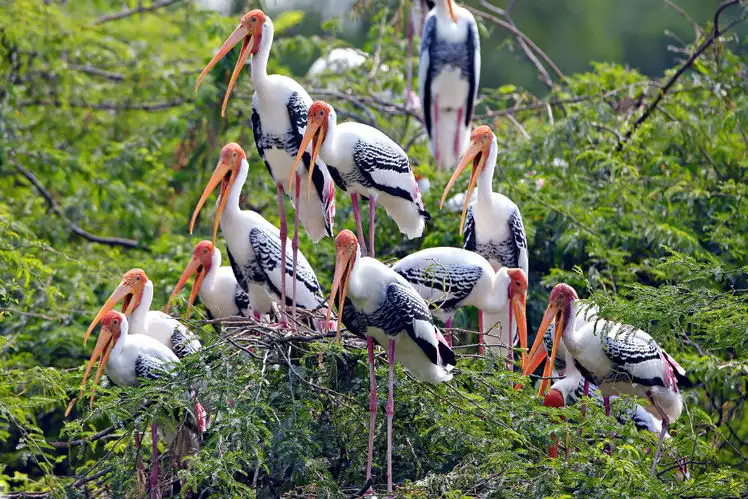
Sajnekhali Bird Sanctuary, located within the Sundarbans, is a prime spot for birdwatching. It hosts a diverse array of bird species, including kingfishers, herons, and egrets. The sanctuary also features a watchtower for better viewing and a visitor center, making it an essential stop for nature enthusiasts.
Bharat Sevashram Sangha Temple
Bharat Sevashram Sangha Temple in Sundarbans is a spiritual site offering tranquility amidst the mangrove forests. Managed by the Bharat Sevashram Sangha, the temple provides a space for worship, reflection, and community service. It plays a key role in local humanitarian activities and promotes spiritual growth and cultural heritage.


Sudhanyakhali Watch Tower
Sudhanyakhali Watch Tower is a prominent observation point in Sundarbans National Park. Located in a key wildlife area, it offers panoramic views of the surrounding mangroves and wildlife. Visitors can spot Bengal tigers, saltwater crocodiles, and various bird species from the tower, making it a popular spot for wildlife enthusiasts and photographers.
Frequently Asked Questions
-
What makes Sundarbans National Park unique?
-
What is the best time to visit Sundarbans National Park?
The best time to visit is from November to March, when the weather is cool and pleasant. This is also the peak season for wildlife sightings, including tigers and migratory birds. The monsoon season (June to September) should be avoided due to heavy rains and flooding.
-
How can I explore Sundarbans National Park?
Exploring Sundarbans is done primarily through boat safaris, as the park is a network of waterways. Guided boat tours, ranging from half-day to multi-day trips, are the best way to observe the unique ecosystem and wildlife.
-
What wildlife can I expect to see in Sundarbans?
Sundarbans is home to:
- Royal Bengal Tigers
- Saltwater Crocodiles
- Fishing Cats
- Spotted Deer
- Gangetic Dolphins
- Monitor Lizards
- Over 260 bird species, including kingfishers, herons, and migratory birds
-
Are there accommodations available near Sundarbans?
Yes, several eco-lodges, resorts, and budget accommodations are available near the park in villages like Gosaba and Pakhiralay. Houseboats are also an option for an immersive experience.
-
Can I visit Sundarbans with children?
Yes, Sundarbans can be a family-friendly destination. Boat safaris are safe for children, but parents should keep an eye on them and follow all safety guidelines.
-
What should I pack for a trip to Sundarbans?
Pack essentials such as:
- Light and breathable clothing
- Comfortable shoes
- A hat, sunglasses, and sunscreen
- Binoculars for wildlife spotting
- A waterproof bag for electronics and valuables
-
What precautions should I take during my visit?
- Follow all safety guidelines provided by your guide
- Avoid venturing into restricted areas
- Wear life jackets during boat safaris
- Do not feed or disturb wildlife
-
What cultural experiences can I explore near Sundarbans?
- Bonbibi Pujas: Local rituals dedicated to the forest goddess
- Village Tours: Experience local community life
- Handicrafts and Honey Collection: Learn traditional practices
-
What is Sundarbans’ role in tiger conservation?
The Sundarbans is a critical habitat for the Royal Bengal Tiger and is part of Project Tiger, India’s flagship conservation program. It plays a vital role in protecting this iconic species and maintaining the mangrove ecosystem.
Sundarbans National Park offers a unique blend of adventure, biodiversity, and cultural experiences, making it a must-visit destination.
×