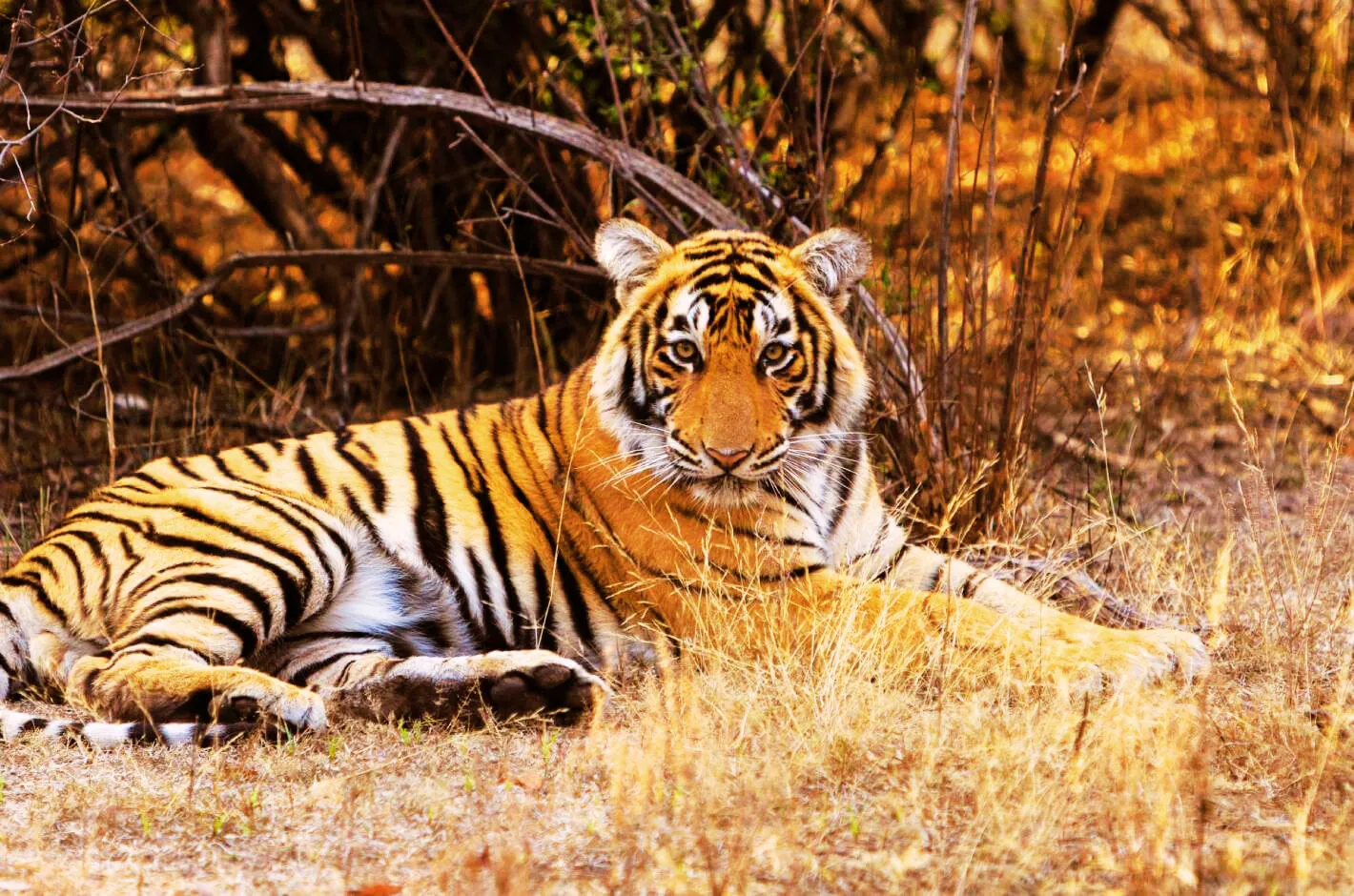
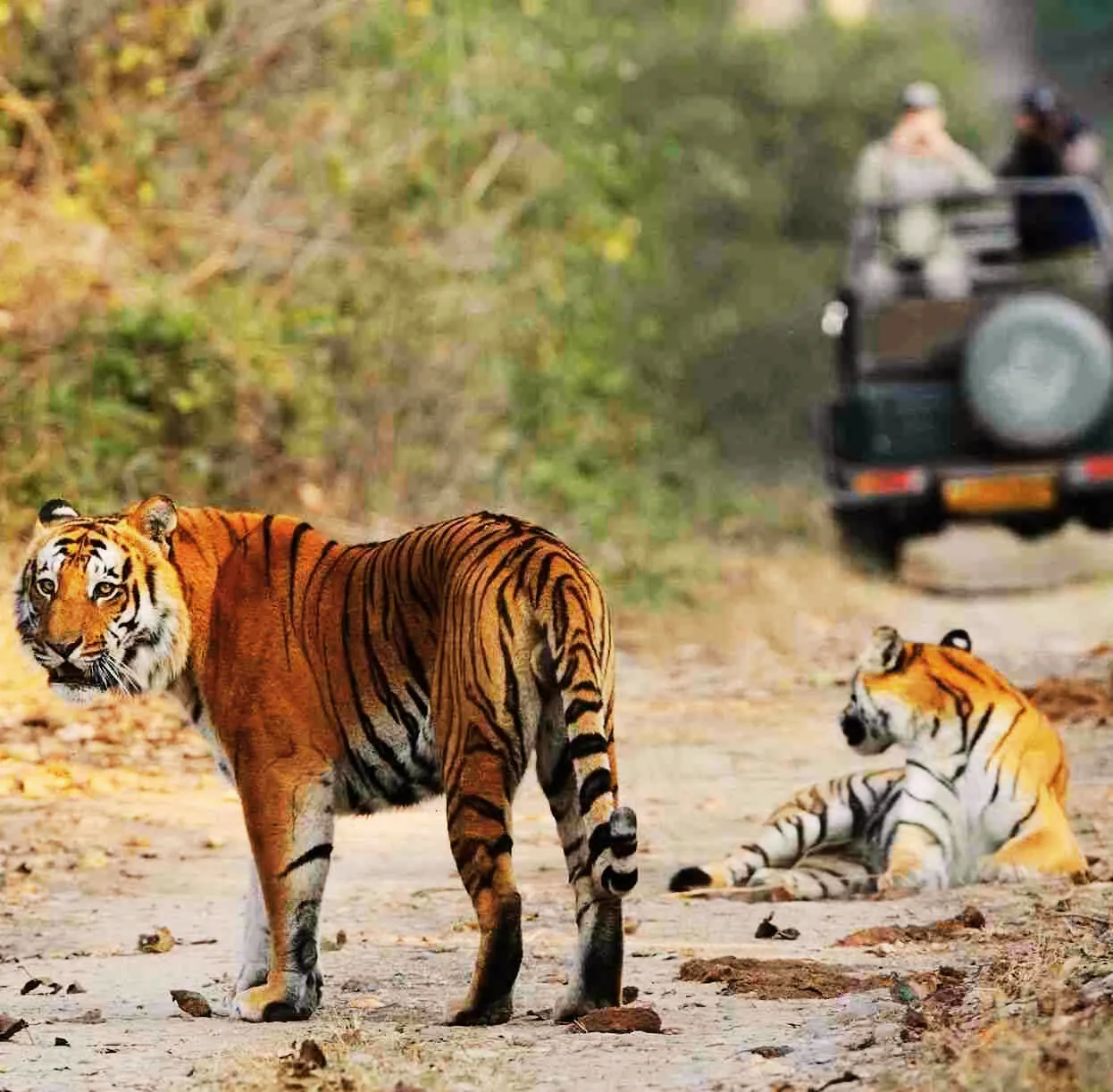
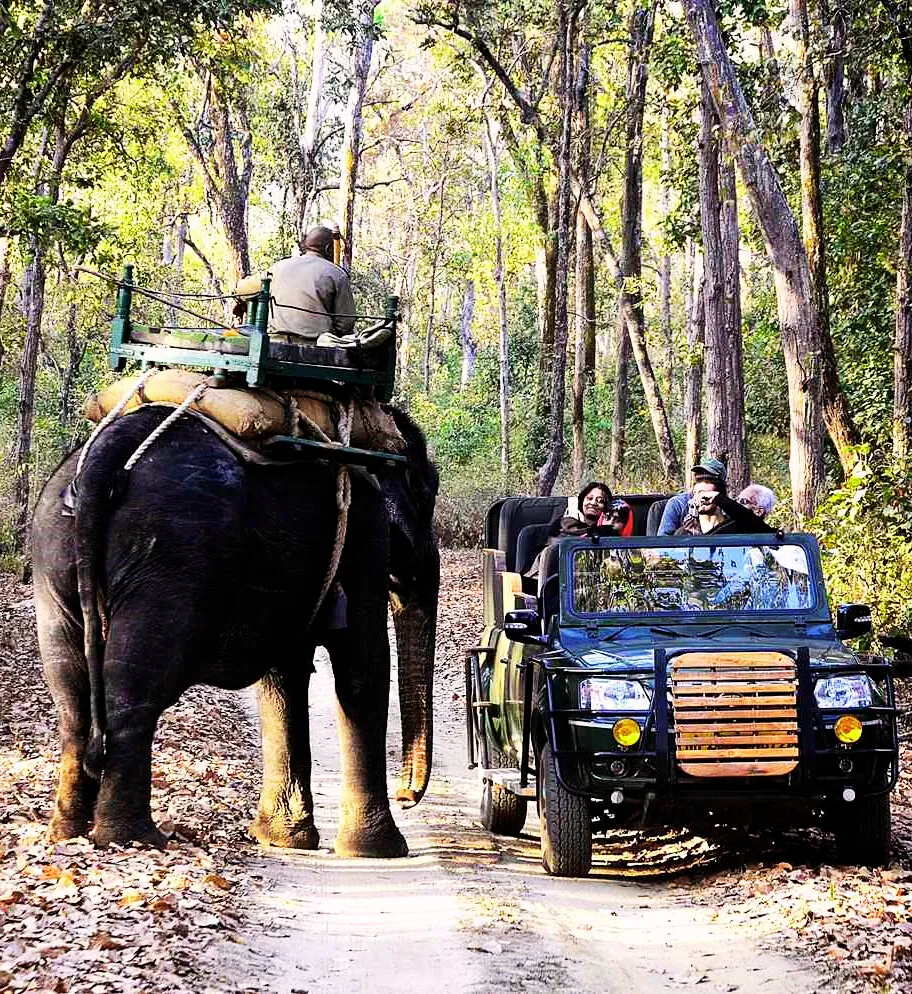
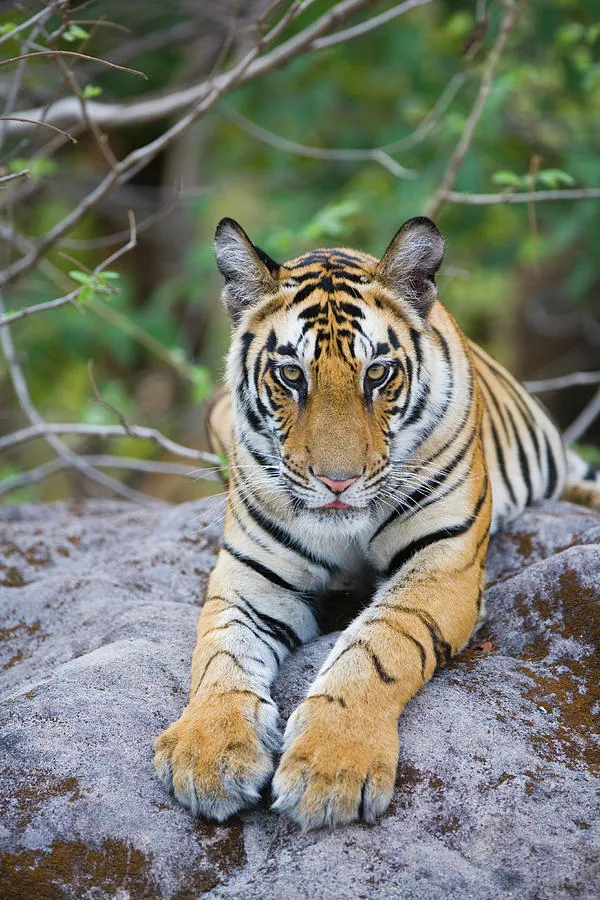
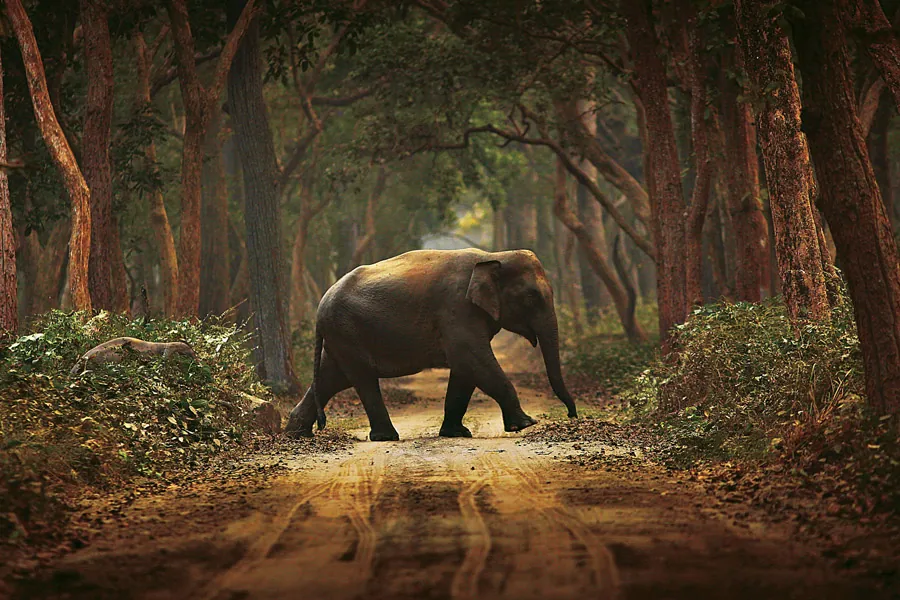
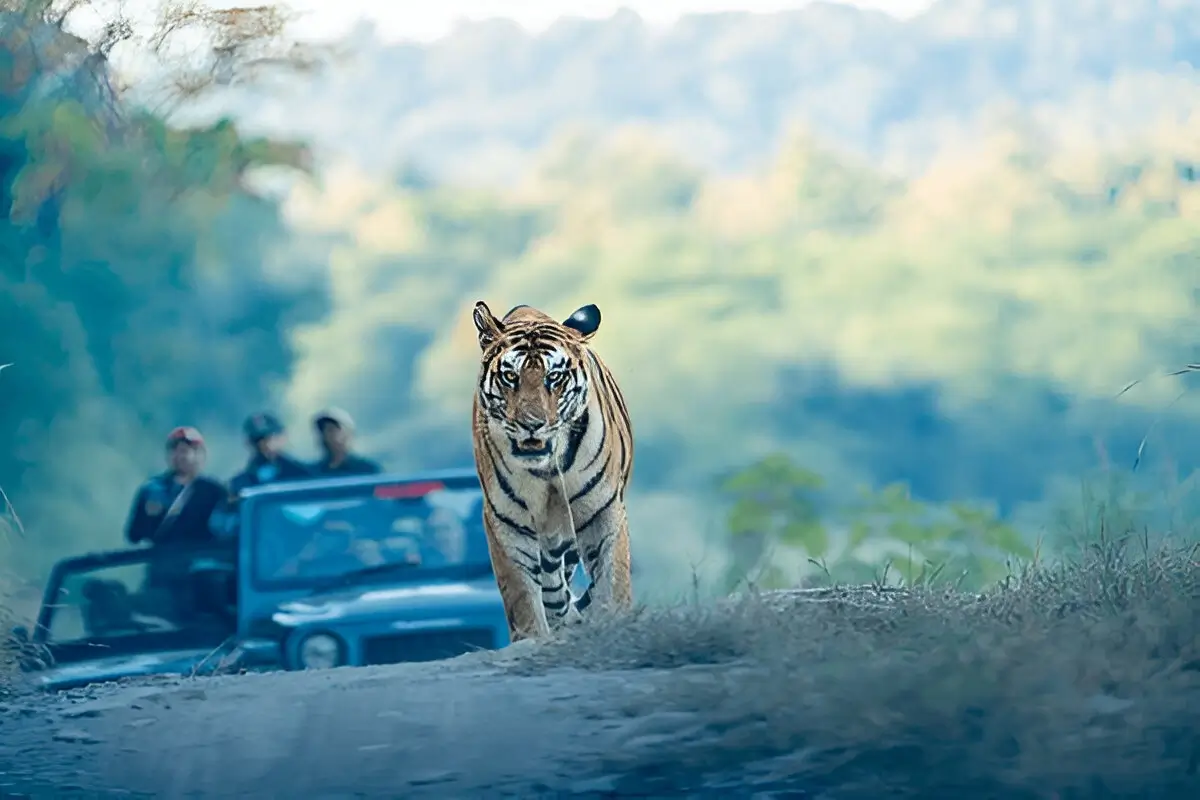
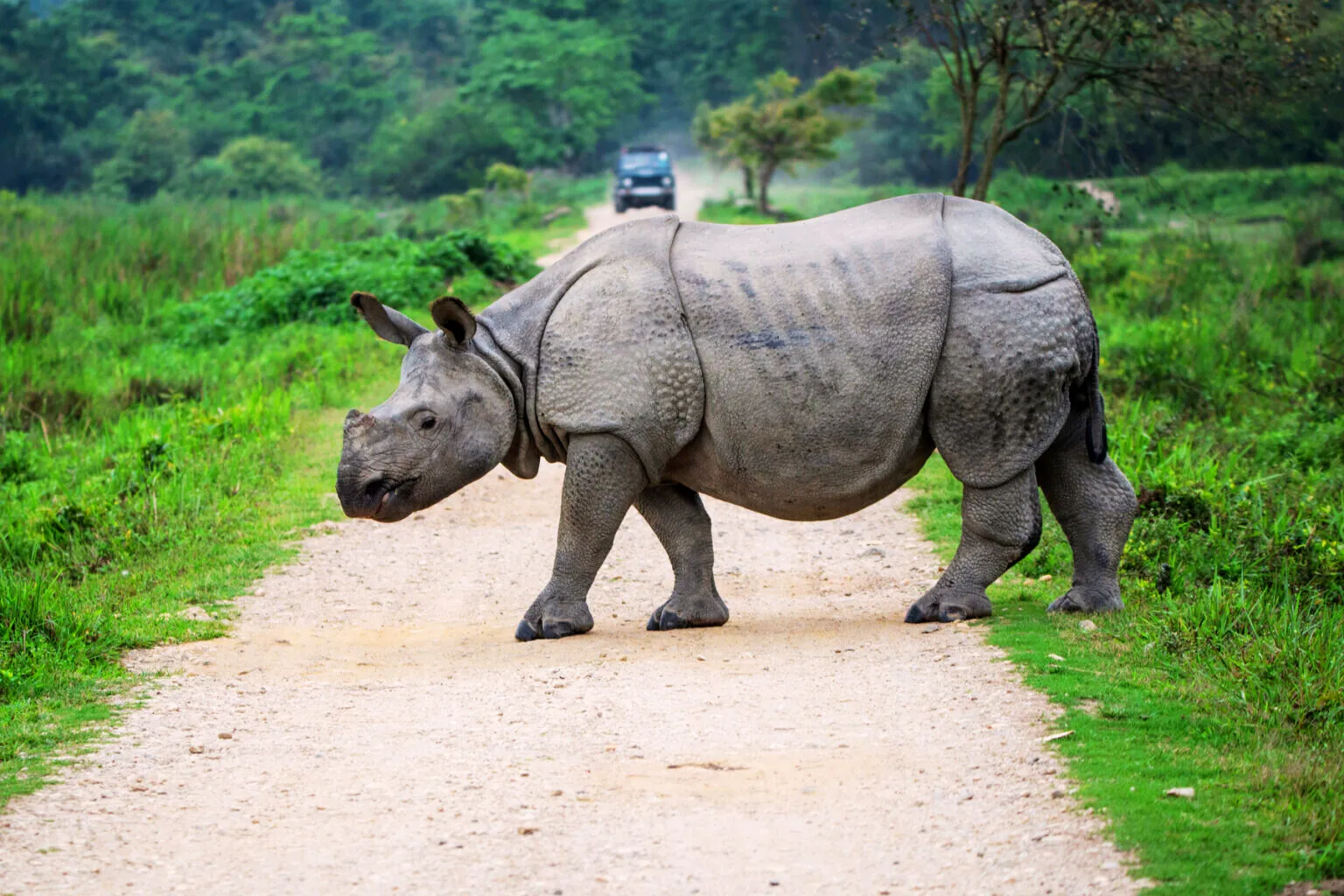
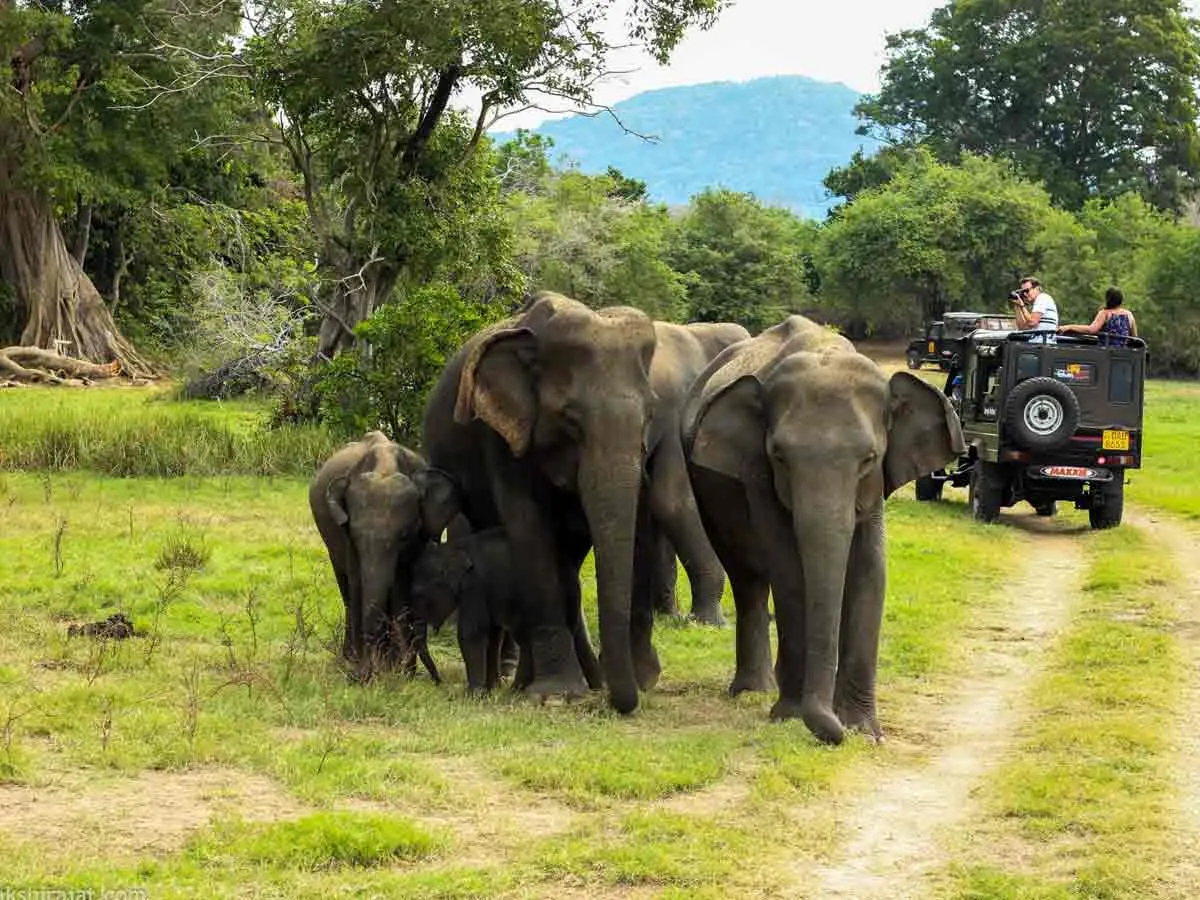
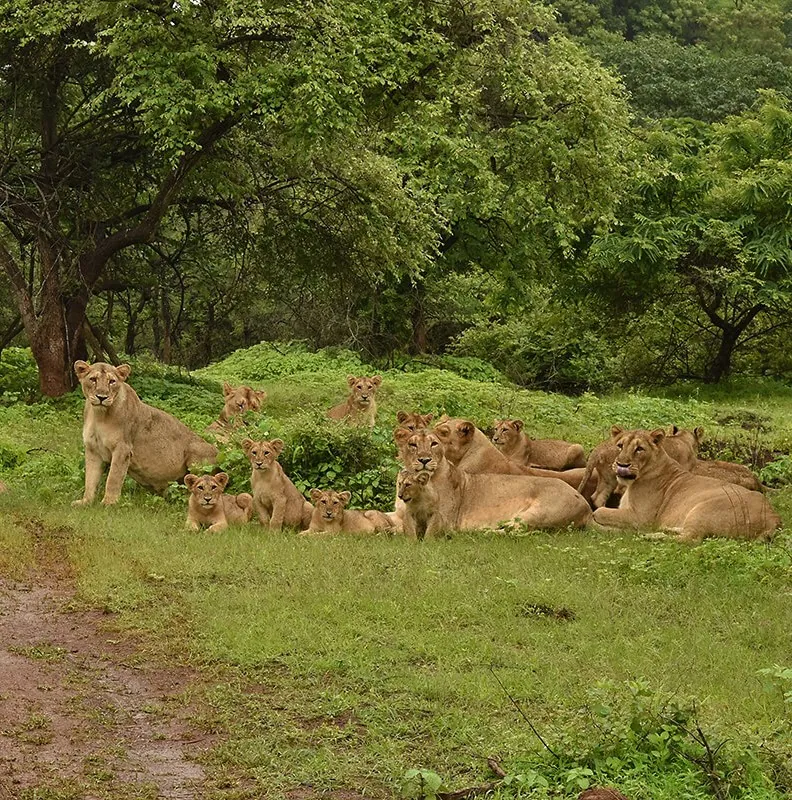

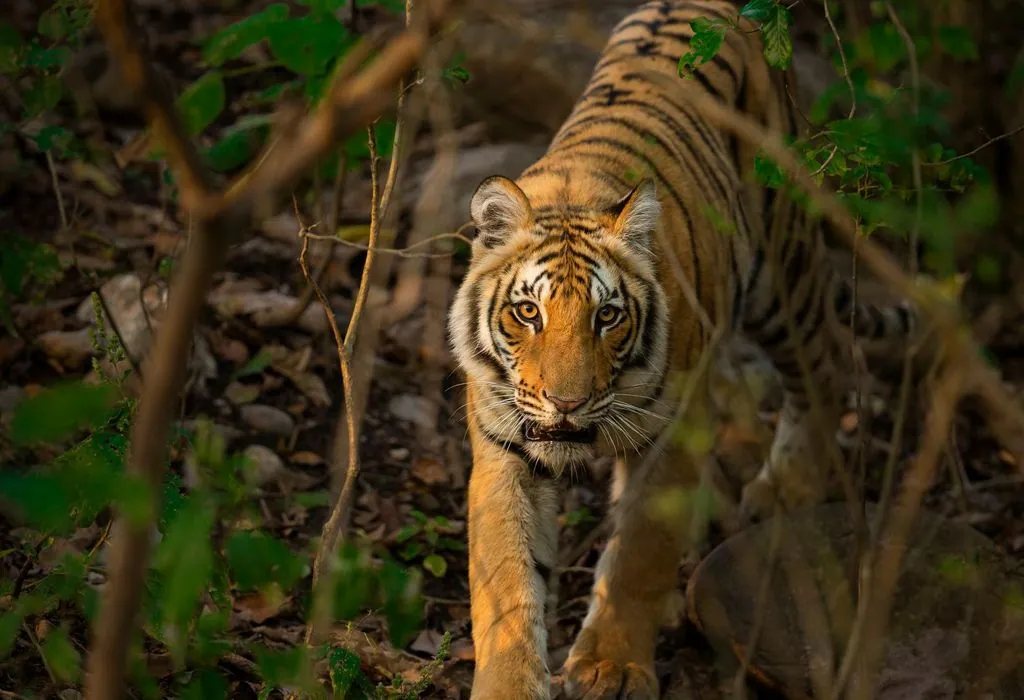
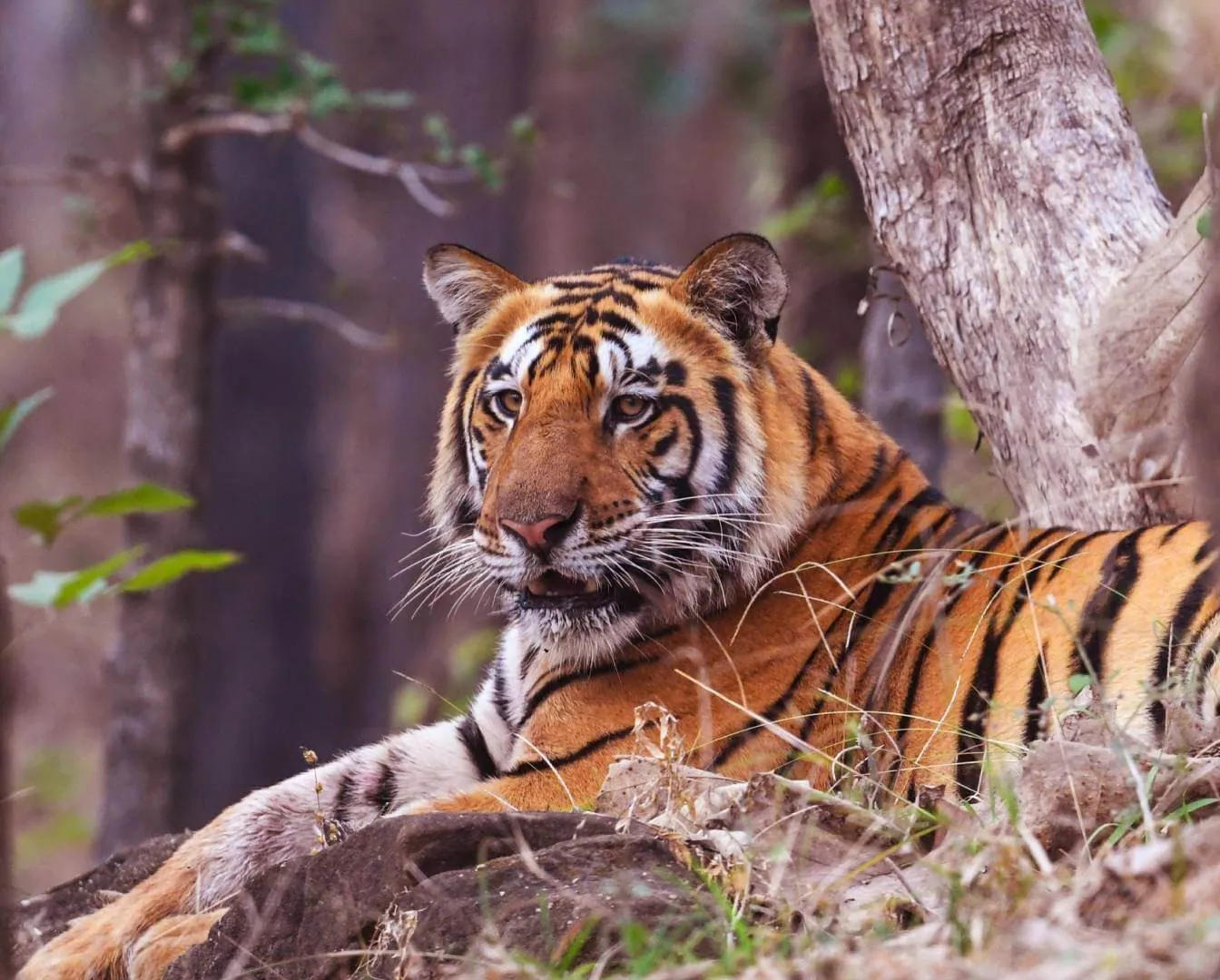
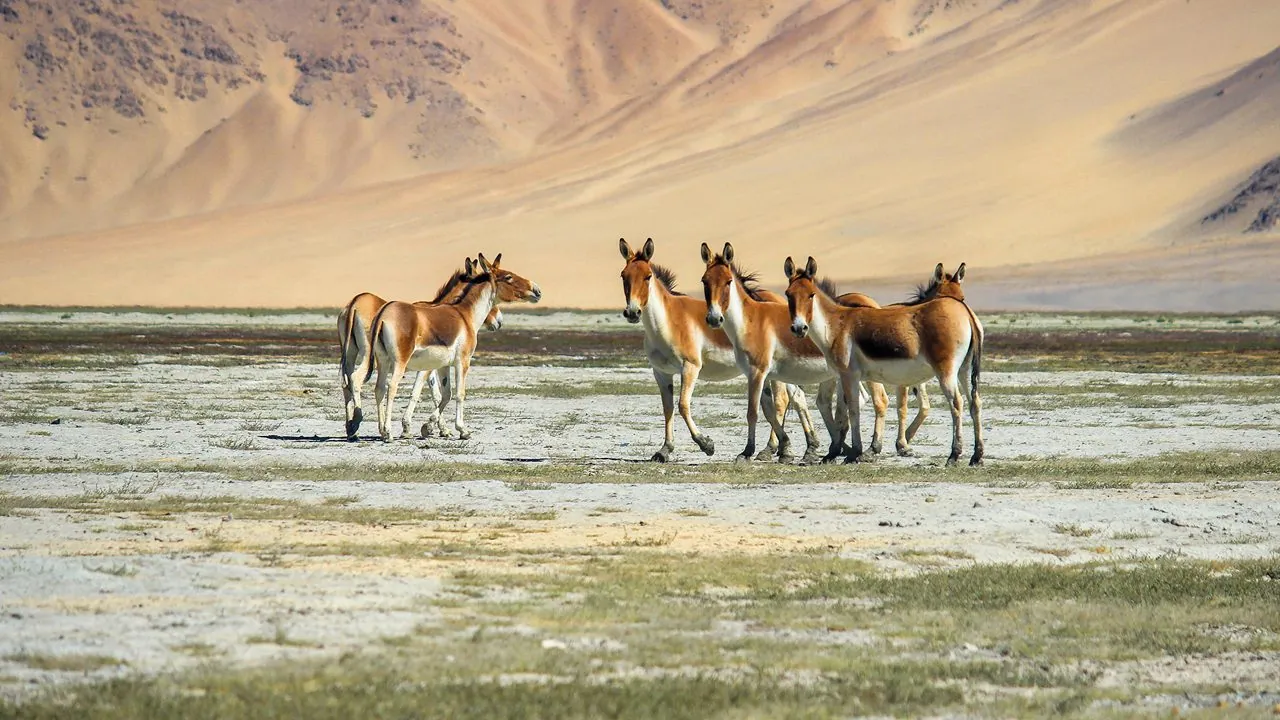
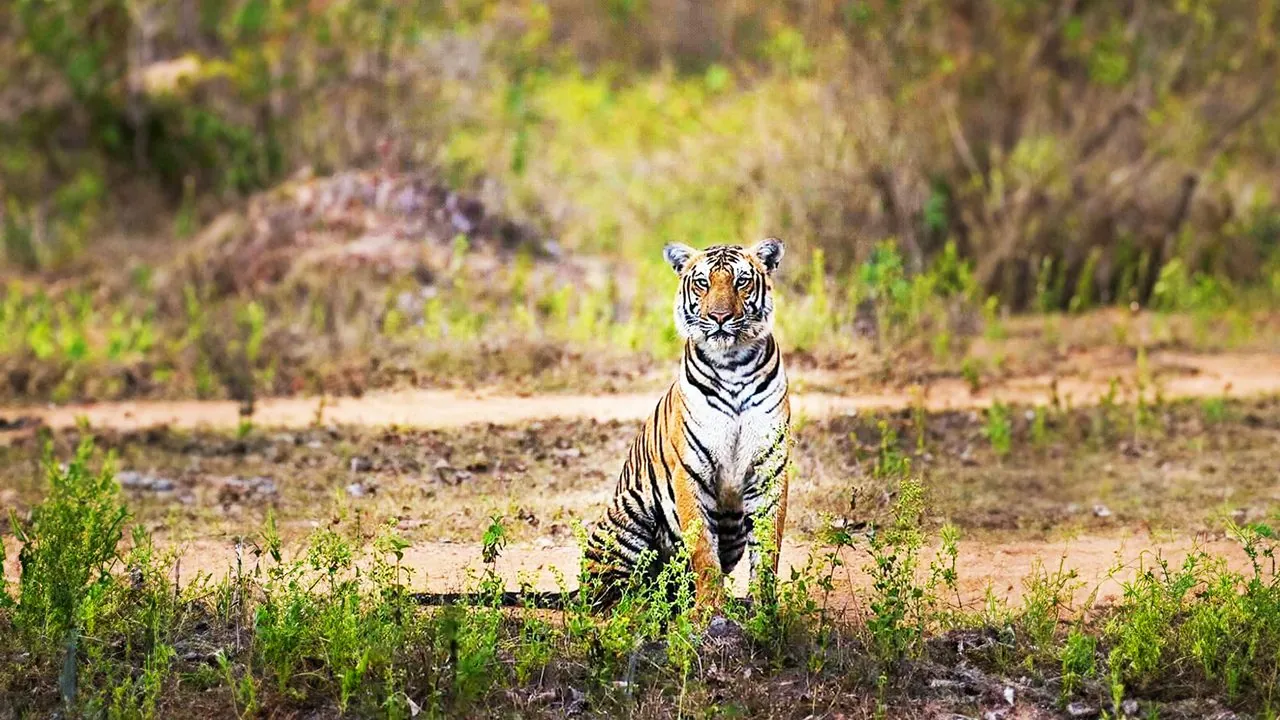
A Wildlife Culture Tour in India combines the exploration of the country's rich biodiversity with immersive cultural experiences, allowing you to witness both the wildlife and the traditional lifestyles of local communities.

Wildlife Cuture Tours
Overview
Wildlife Culture Tours in India offer an immersive journey into the heart of the country's rich biodiversity and cultural heritage. These tours provide a unique blend of wildlife exploration and cultural experiences, allowing travelers to witness India's diverse fauna and vibrant traditions in one captivating adventure.
India's national parks and wildlife sanctuaries, such as Ranthambore, Kanha, and Jim Corbett, are home to a wide variety of species, including the majestic Bengal tiger, the Asiatic lion, and the Indian rhinoceros. On these tours, participants can enjoy guided safaris, nature walks, and cultural interactions, all led by expert naturalists who share insights into the animals' behaviors, conservation efforts, and the local communities that coexist with these magnificent creatures.
Most Popular Tours
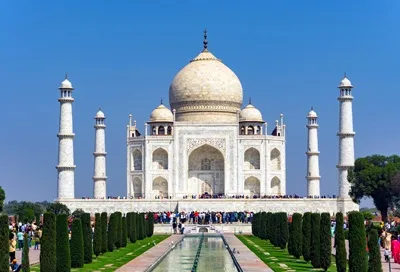 05N / 06D
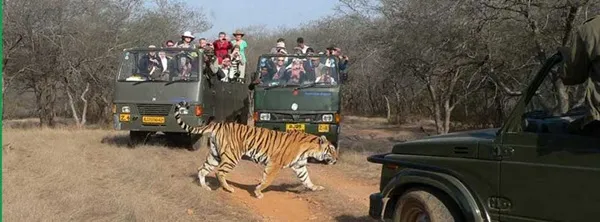 2N / 3D
 3N / 4D
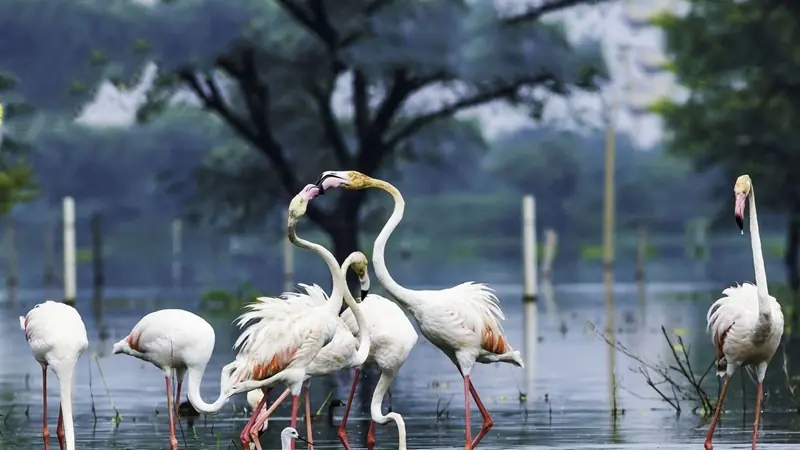 09N / 10D
Delhi – Ranthambore – Bharatpur – Agra
– Delhi
Ranthambore, Bharatpur & Agra Birding and Wildlife Tour
 12N / 13D
Delhi → Varanasi → Agra → Ranthambore
→ Jaipur → Udaipur → Delhi
13-Day North India Explorer with Varanasi & Udaipur
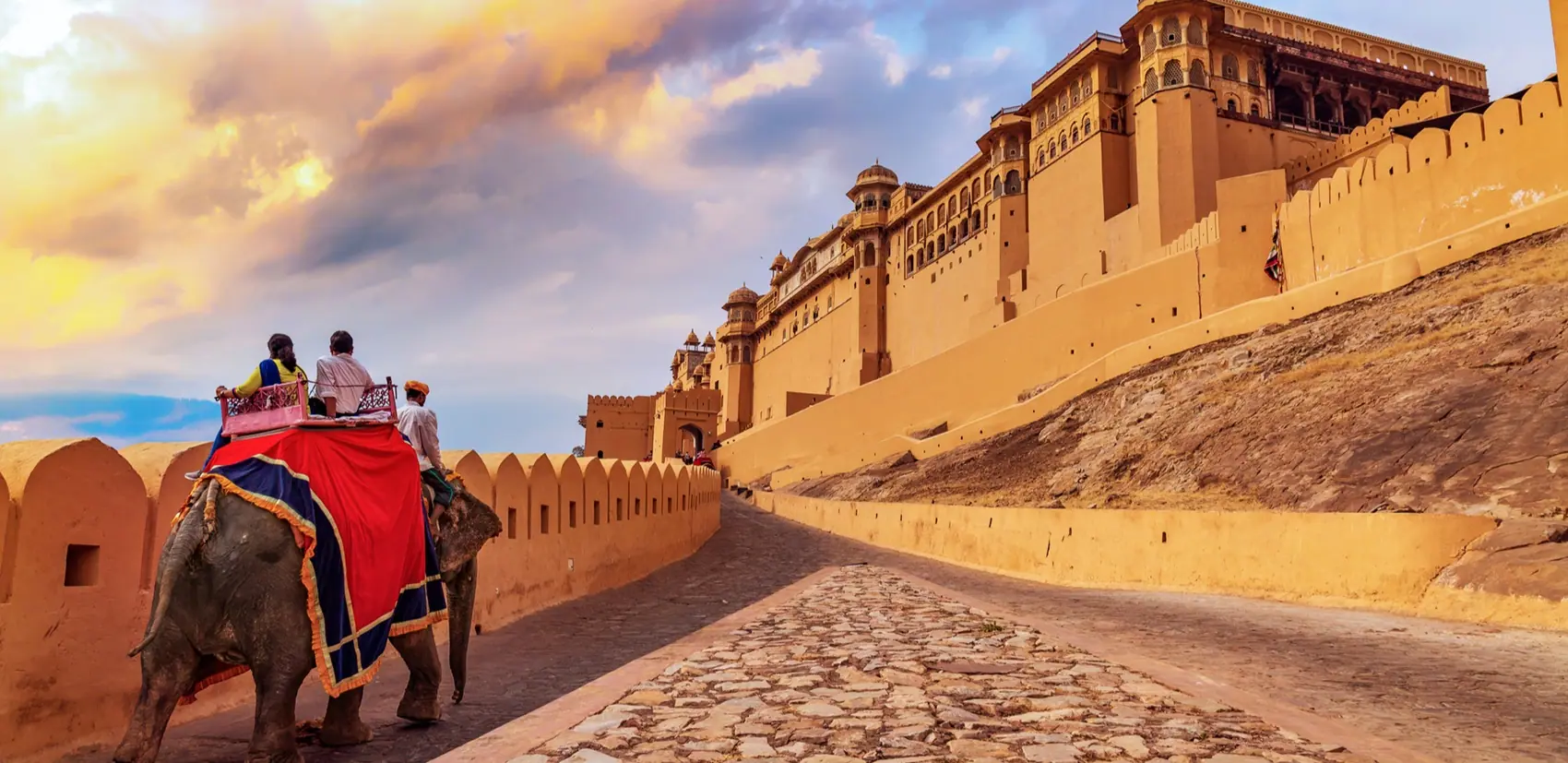 11N / 12D
Delhi → Jaipur → Bikaner → Jaisalmer →
Jodhpur → Udaipur → Ranthambore → Delhi
13-Day 12-Day Rajasthan Heritage & Wildlife Tour
Take Me On Safari
Frequently Asked Questions
-
What is a Wildlife Culture Tour?
-
What destinations are included in a Wildlife Culture Tour?
Popular destinations include Ranthambore, Kanha, and Jim Corbett National Parks, where you can see tigers, elephants, and other wildlife, as well as visit nearby villages to experience traditional Indian culture.
-
How can I book a Wildlife Culture Tour in India?
You can book a Wildlife Culture Tour through specialized tour operators or directly through travel agencies. Booking in advance is recommended, especially during peak tourist seasons.
-
What should I bring on a Wildlife Culture Tour?
Bring comfortable clothing, sturdy footwear, a camera, sunscreen, insect repellent, and any personal medications. It’s also advisable to carry a hat and sunglasses for sun protection.
-
Is it safe to go on a Wildlife Culture Tour in India?
Yes, Wildlife Culture Tours are generally safe. It's recommended to follow the guidance of your tour leader and adhere to safety protocols, especially when exploring wildlife areas.
-
What wildlife can I expect to see on these tours?
Depending on the region, you may see tigers, elephants, leopards, rhinoceroses, and various species of birds. Cultural aspects include interactions with local communities and experiencing their traditions.
×